
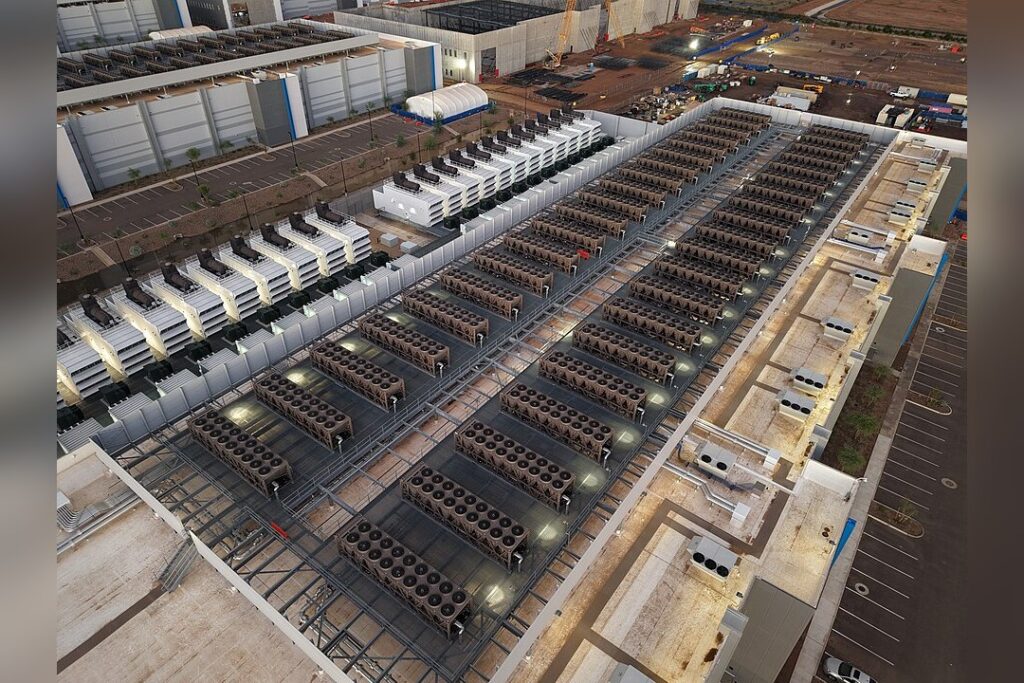
Years of incremental sustainability work in corporate data centers are now colliding with a new reality: artificial intelligence demands power at a scale that old efficiency playbooks cannot handle. Enterprise IT teams spent years consolidating workloads, moving to the cloud, and baking green metrics into procurement. That work was built on predictable demand.
AI has erased that predictability. High-density compute is shifting from optional to essential for competitiveness, innovation, and in some cases, basic operational survival.
The immediate consequence is a mounting tension between the sustainability targets CIOs have already set and the infrastructure they now need to build. The latest thinking in the field makes one thing plain: traditional approaches to sustainability target setting are no longer sufficient. Targets must be achievable, measurable, and grounded in operational reality.
Without that grounding, there is a real risk they become detached from the infrastructure strategies required to deliver business value. One of the most common pitfalls is setting targets that look credible on paper but are disconnected from how technology is actually deployed and consumed.
In an AI-driven environment, that gap becomes more pronounced. CIOs need to move away from broad top-down commitments and instead define targets embedded within infrastructure decision-making. That means aligning sustainability metrics directly to workload design, data management, and hardware lifecycle planning.
On the ground, that looks like defining acceptable energy intensity thresholds specifically for AI workloads, rather than treating all compute equally. It means establishing clear policies on how often models are trained and how data is managed. It means planning hardware lifecycles around the actual demands of AI, not around general-purpose server refresh cycles.
The fallout touches every part of the organization. Procurement teams can no longer buy servers solely on cost or performance; they must factor in energy intensity targets that vary by workload type.
Data management teams face new pressure to justify storage decisions against both cost and carbon. Hardware lifecycle planning becomes a negotiation between the pace of AI innovation and the pace of sustainability commitments. What to watch next is whether these new workload-specific targets actually get enforced.
The risk is that CIOs set them, but then the business pressure to deploy AI faster overrides the sustainability guardrails. That is the real test.
If targets remain aspirational rather than operational, the gap between sustainability commitments and infrastructure reality will only widen. Another consequence is the effect on the broader enterprise sustainability reporting ecosystem. Many organizations have tied executive compensation to carbon reduction targets.
Those targets were built on a pre-AI model of compute demand. As AI workloads grow, achieving those targets becomes harder. Boards and investors will need to decide whether to adjust targets or accept that sustainability progress will slow as AI investment accelerates.
The challenge for CIOs is not whether to embrace AI. It is how to do so without undermining the sustainability commitments they have spent years establishing.
That question has no easy answer. But the first step is clear: stop treating sustainability targets as top-down numbers and start embedding them into the operational reality of how AI workloads are designed, deployed, and managed.
{“@context”: “https://schema.org”, “@type”: “NewsArticle”, “headline”: “AI demand forces data centers to rethink old efficiency strategies”, “description”: “Years of incremental sustainability work in corporate data centers are now colliding with a new reality: artificial intelligence demands power at a scale that old…”, “datePublished”: “2026-06-24T16:46:00+00:00T09:30:00+00:00”, “author”: {“@type”: “Person”, “name”: “Sebastian Smith”}, “publisher”: {“@type”: “Organization”, “name”: “InfoPulse Today”, “url”: “https://newsfeed.infopulsetoday.com/”}}




