
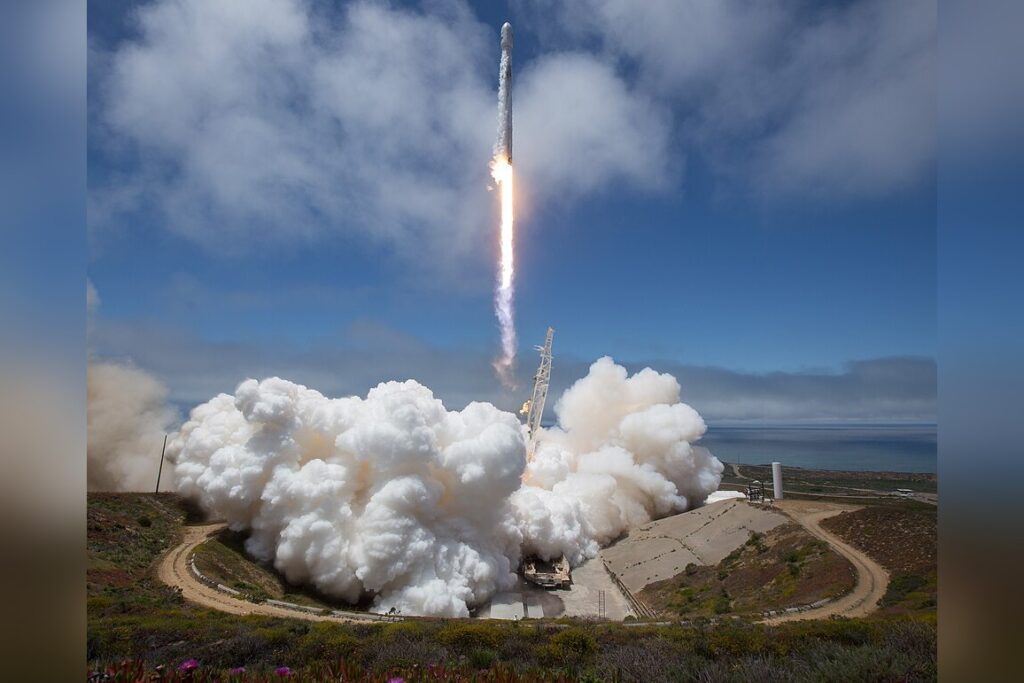
WASHINGTON, August 21 — On August 21, 2026, reports confirm that AI-driven satellite systems are advancing at a pace that could make stars nearly indistinguishable by 2034. This projection stems from documented developments in artificial intelligence and its integration with satellite technology, which are transforming sectors like telecommunications, remote sensing, and space exploration. The core of this shift lies in machine learning algorithms designed to optimize satellite operations, enhancing data processing and autonomous task execution.
The Starlink project, spearheaded by SpaceX, exemplifies this trend. As of 2021, the company had launched over 1,700 satellites, with intentions to deploy thousands more.
By the end of 2024, approximately 3,000 Starlink satellites are projected to be operational. This rapid expansion raises concerns about the visual impact on Earth’s atmosphere. The satellites’ reflective surfaces create bright trails that obscure stars, a phenomenon already documented by astronomers.
The International Astronomical Union (IAU) has formally expressed worries about the erosion of dark skies, which could hinder scientific research and diminish public access to celestial observation.
Technological Drivers and Implications
At the heart of this development is the synergy between AI and satellite systems. Machine learning algorithms, as reported in industry analyses, are being deployed to refine satellite functionality. These systems improve efficiency in tasks such as orbit adjustments and data transmission, enabling companies like SpaceX to scale operations rapidly.
The Starlink constellation, for instance, relies on AI to manage its vast network of satellites, ensuring global internet coverage while minimizing fuel consumption. This technological leap has not gone unnoticed by astronomical institutions, which now face operational challenges due to satellite light interference.
OneWeb, another major player in satellite manufacturing, is also involved in these discussions. The company’s participation in IAU-led initiatives underscores the growing recognition of the issue. Manufacturers are being urged to adopt guidelines that limit light pollution, such as coating satellites to reduce reflectivity.
However, balancing these measures with the demand for global connectivity remains contentious. SpaceX, for its part, has not publicly detailed plans to alter its satellite designs, citing the need to maintain cost-effective services.
Industry and Scientific Concerns
The tension between technological advancement and astronomical preservation is evident in ongoing dialogues. Scientists argue that the proliferation of satellites could compromise data collection for telescopes, particularly those reliant on long-exposure imaging. The IAU has called for stricter regulatory frameworks, though no binding agreements have been finalized.
Meanwhile, tech companies emphasize the societal benefits of AI-driven satellites, including disaster response and rural connectivity. These competing priorities highlight the complexity of the issue.
Industry representatives acknowledge the need for dialogue but stress that solutions must be pragmatic. A spokesperson for SpaceX, cited in a 2023 filing, stated that “mitigating light pollution requires collaboration across sectors.” However, no specific timelines or technologies for such measures have been disclosed. The IAU’s concerns remain unresolved, with some astronomers advocating for pre-launch assessments of satellite brightness.
As of now, no such protocols are mandatory. The future of AI-driven satellite systems hinges on how stakeholders navigate this conflict.
While the technology promises transformative benefits, its unchecked growth could alter humanity’s relationship with the night sky. The 2034 projection, though speculative, is based on current deployment rates and technological trajectories. Whether the industry will pivot toward astronomical-friendly designs or prioritize connectivity remains to be seen.
For now, the debate continues, shaped by the interplay of innovation, regulation, and scientific preservation.




