
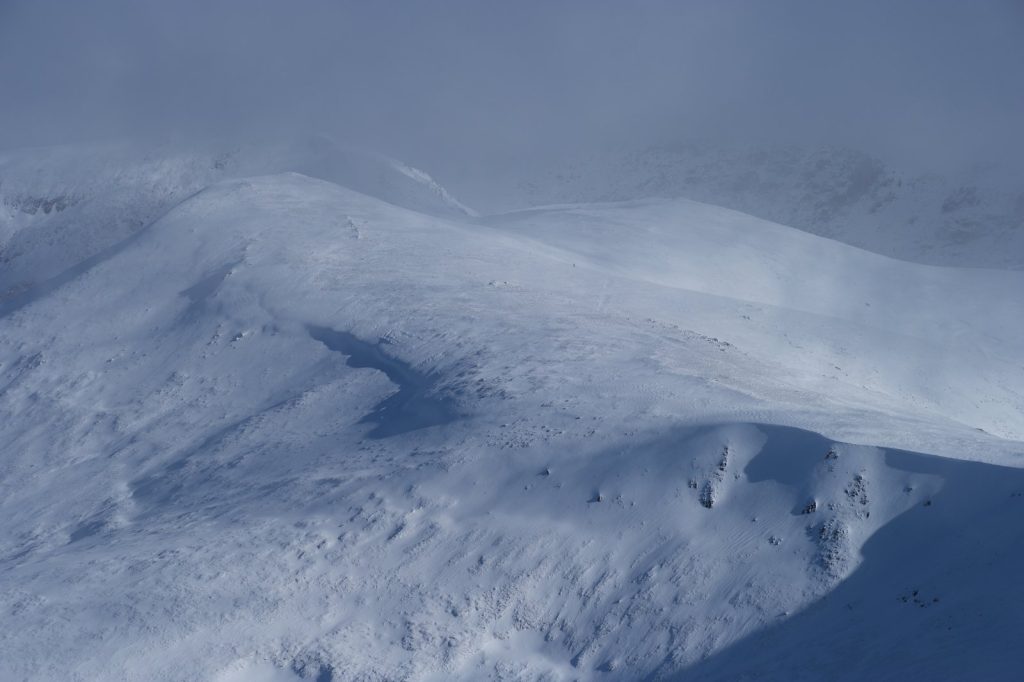
The drone flew over the Kosciuszko National Park scrub. Its camera fed images into an artificial intelligence system trained to spot a human shape against rock and tree. Two hikers, lost, could not find their way out.
The AI found them. Fire and Rescue NSW confirmed this was the first time the AI detection system had been used successfully to locate a missing hiker.
The date was June 26. The place was a landscape of wild beauty and rugged terrain, the kind that draws people in and can keep them. For the families of those two hikers, the technology did not matter much.
What mattered was that someone came home. But for the rescue service, the implications are a different kind of story.
This was a test. The system passed. The drone did what a ground team could not do as quickly.
It covered difficult ground from above. The AI sorted through the visual noise — shifting shadows, branches, rock formations — and locked onto the hikers. It is not magic.
It is pattern recognition at scale, running on a machine small enough to fly. Fire and Rescue NSW will now work to improve the technology.
The goal is to adapt it for different emergencies. A lost child in bushland. A climber stranded on a cliff.
A person with dementia wandering into the scrub. Each scenario presents its own problems for the AI to learn.
The rescue opens a door. For communities across Asia, the same tool could one day operate in the highlands of Luzon, the forests of Sabah, the mountains of Nepal, the national parks of Japan. The terrain changes.
The need does not. For ordinary people who hike and trek and explore, this represents a new layer of safety. Not a guarantee.
Nothing is a guarantee in the mountains. But a better chance.
A faster response. A set of eyes in the sky that never gets tired, never looks away, never loses focus. The technology is still in its early stages for search and rescue.
This was the proof of concept. The first successful use.
It will not be the last. What happened in Kosciuszko National Park is a technological milestone. But milestones are made of smaller moments.
The moment the drone lifted off. The moment the AI flagged a shape. The moment the rescue team moved toward that shape and found two people who had been lost.
Those moments matter. They are the reason innovation exists — to meet real human need in difficult terrain.
The mountains do not care about your technology. They do not care about your timeline. They are indifferent.
That is why a tool that can find a person in that indifference is worth building. Fire and Rescue NSW now has data.
It has a working model. It has a reason to push the system further. The rescue in Kosciuszko was not a fluke.
It was a demonstration. The next demonstration could be closer to home, in the bushland and remote areas that surround communities across the region. Two hikers went into the national park.
They could not find their way out. A drone with artificial intelligence searched from above and found them.
That is the story. Everything else is what comes next.
{“@context”: “https://schema.org”, “@type”: “NewsArticle”, “headline”: “AI Drone System Used for First Time to Find Lost Hikers in National Park”, “description”: “The drone flew over the Kosciuszko National Park scrub. Its camera fed images into an artificial intelligence system trained to spot a human shape against…”, “datePublished”: “2026-06-26T12:38:00+00:00T09:30:00+00:00”, “author”: {“@type”: “Person”, “name”: “Arjun Mehta”}, “publisher”: {“@type”: “Organization”, “name”: “InfoPulse Today”, “url”: “https://newsfeed.infopulsetoday.com/”}}




