
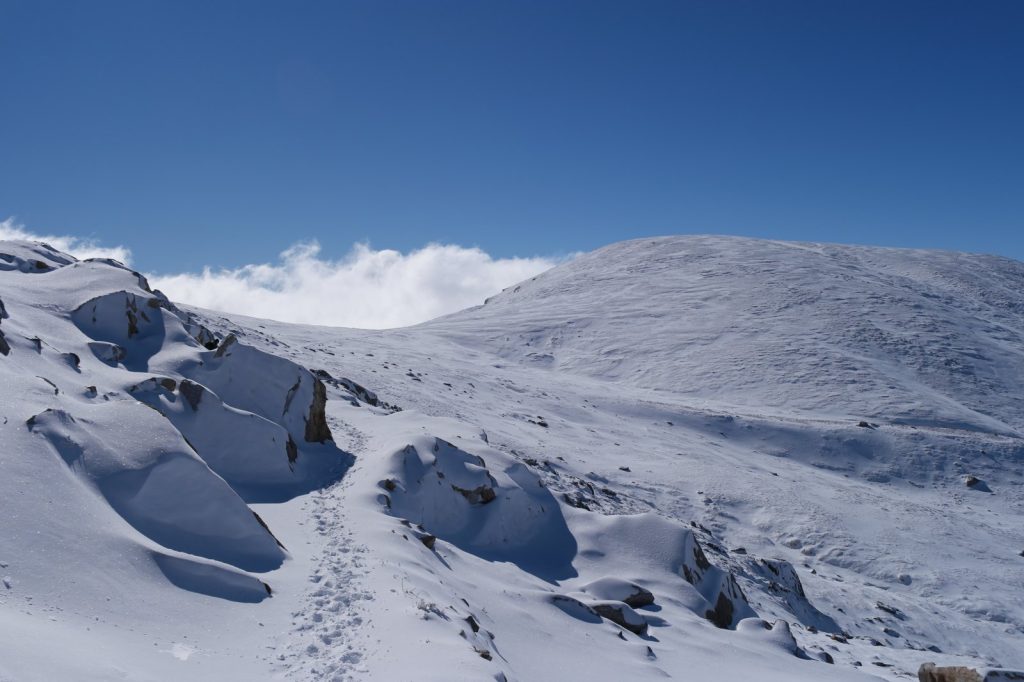
Two hikers lost in Kosciuszko National Park were found by a drone running artificial intelligence. Fire and Rescue NSW said it was the first time their AI detection system had worked on a missing person. That is the fact.
What matters now is what happens next. The drone searched from above.
It found them. The terrain was rugged, the kind of country where a person can be fifty metres from a trail and never see it. A human crew on foot might have taken days.
The AI did it faster. That is the kind of difference that makes rescue agencies pay attention.
Fire and Rescue NSW plans to improve the technology for other emergencies. That is a quiet sentence in the official account, but it carries weight. The system worked once.
Now they will try to make it work in floods, in bushfires, in car crashes on remote roads. Each new use means rewriting the software, training the AI on new kinds of images, new angles, new light conditions. It is not automatic.
But the first success changes the calculation. For communities across Asia, the implications are direct.
The report names the highlands of Luzon, the forests of Sabah, the mountains of Nepal, the national parks of Japan. Those are places where people get lost. Where rescue teams are often volunteer, often underfunded, often working terrain that swallows sound and hides movement.
A drone that can scan a mountainside and flag a human shape does not replace those teams. It gives them a tool.
One tool, in the right hands, can shift the odds. Think about what the AI actually does. It watches video from the drone’s camera and picks out patterns that look like a person.
A human watching the same feed gets tired. Eyes blur. Attention drifts.
The machine does not. It can scan for hours, flagging every candidate, letting the operator decide.
That is the practical edge. Not magic. Just sustained, tireless attention.
The rescue in Kosciuszko was a proof point. Not a laboratory test.
A real person, lost, scared, maybe cold, found by a machine that never blinked. For families who have waited through a night not knowing, that is the only measure that counts. But the technology is still early.
The report says so plainly: “still in its early stages for search and rescue.” One success does not guarantee others. The AI might fail in dense forest, in rain, in snow. It might flag rocks and stumps as people, wasting time.
It might miss a hiker lying still under a tree. Every rescue agency will want to test it on their own ground, their own conditions, before they trust it.
Still, the direction is clear. The same kind of AI that identifies faces in a crowd or reads licence plates can now find a lost hiker in a national park. The hardware is off the shelf.
The software is getting better. The cost of drones keeps falling.
The barrier to entry is dropping. For ordinary hikers, this means a new layer of safety. Not a guarantee.
No technology guarantees anything in the backcountry. But a better chance. A faster response.
A search that starts from a wider area, a higher vantage, a colder calculation. For search and rescue teams, it means rethinking how they train, how they deploy, how they budget.
A drone operator costs less than a helicopter. A drone can stay aloft longer than a human can walk. The math shifts.
What happened in Kosciuszko National Park was a rescue. Two people came home.
That is the story, and it is enough. But the machine that found them will fly again. Somewhere else.
Someone else. That is what this first success really means.
{“@context”: “https://schema.org”, “@type”: “NewsArticle”, “headline”: “AI drone used in Kosciuszko search marks first for missing person rescue”, “description”: “Two hikers lost in Kosciuszko National Park were found by a drone running artificial intelligence. Fire and Rescue NSW said it was the first time…”, “datePublished”: “2026-06-26T12:38:00+00:00T09:30:00+00:00”, “author”: {“@type”: “Person”, “name”: “Li Wei”}, “publisher”: {“@type”: “Organization”, “name”: “InfoPulse Today”, “url”: “https://newsfeed.infopulsetoday.com/”}}




