
NEW YORK, July 7 — The construction sites that will house tomorrow’s cloud infrastructure are getting a high-tech security makeover. Faced with a persistent wave of thefts targeting valuable building materials and equipment, data center builders are turning to artificial intelligence, drones, and networked surveillance to protect their projects. The push comes as data center construction booms across the country.
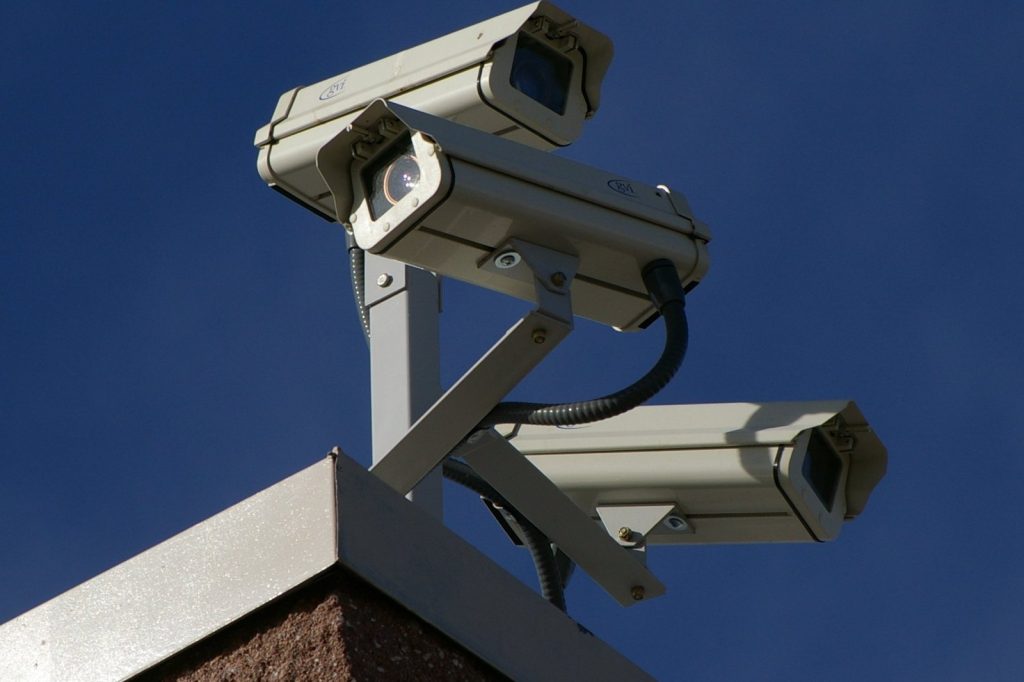
But the same remote locations that make these sites ideal for massive server farms also make them vulnerable after hours, when crews go home and expensive copper wiring, generators, and networking gear sit unattended. Companies like Microsoft and Google have partnered with security firms including Prosegur and Axis Communications to deploy AI-powered surveillance cameras that can detect suspicious activity in real time, as reported by Data Center Knowledge in March 2024.
The systems are designed to distinguish between a stray animal, a passing car, and an actual intrusion — cutting down on false alarms while alerting security teams the moment something looks wrong.
Eyes in the sky after dark
Drone patrols are also becoming part of the security mix. Companies such as DroneDeploy operate unmanned aircraft that monitor remote construction sites after workers have left for the day. The drones can cover large areas quickly, sending live video feeds back to security operations centers.
For sites that may stretch across dozens of acres, that aerial perspective is something ground-based guards and fixed cameras cannot easily match. The scale of the problem is driving a growing market.
According to a 2023 report by MarketsandMarkets, the security technology market for construction sites is projected to grow from $1.2 billion in 2023 to $2.5 billion by 2028. That more than doubling reflects both the rising value of what is being stolen and the increasing sophistication of the countermeasures being deployed to stop it. Some sites are also using motion sensors and GPS trackers on equipment.
If a bulldozer or generator moves after hours, the tracker sends an alert. If a sensor detects unexpected movement in a storage container, security is notified immediately.
These layers of technology mean that even if thieves evade one system, another may catch them. For the families whose loved ones work on these sites, the security upgrades mean something beyond protecting corporate assets. Construction theft can delay projects, forcing crews into overtime or idle periods that affect paychecks and schedules.
When materials vanish, the ripple effects hit workers and their households — not just the balance sheets of tech giants.
What the technology actually sees
The AI-powered cameras from Axis Communications and other vendors are trained on thousands of hours of construction site footage to learn what normal activity looks like. They can recognize a worker in a hard hat during daylight hours and ignore them, while flagging a person approaching a trailer at 2 a.m. The systems do not just record — they analyze, classify, and alert in real time. That is a meaningful leap from the old model of reviewing tape after the theft has already occurred.
Prosegur, the Spanish security company partnering on some of these deployments, brings experience from protecting banks and government buildings to the construction sector. The collaboration with Microsoft and Google suggests that the largest players in the data center world are treating theft prevention as a design consideration, not an afterthought.
The human side of this story is straightforward: fewer thefts mean fewer delays, less replacement cost, and more predictable timelines for the people building these facilities. For the electricians, ironworkers, and equipment operators who show up every day, a site that is secure after hours is a site that stays on schedule. DroneDeploy, which operates the drones used in some of these patrols, has built software that lets a single operator manage multiple drones from a remote command center.
The drones can follow pre-programmed flight paths, return to charging stations automatically, and stream high-definition video even in low light. For a site that is miles from the nearest town, that kind of capability changes the security calculus entirely.
As data center construction continues to accelerate — driven by cloud computing, artificial intelligence workloads, and streaming services — the security technology market for these sites is only likely to grow. The $2.5 billion projection for 2028 may prove conservative if theft rates do not fall. What is clear is that the days of relying on a chain-link fence and a padlock are over.
The builders of the digital backbone are now building security into the foundation — literally and figuratively — with cameras that watch, drones that patrol, and sensors that never sleep.
{“@context”: “https://schema.org”, “@type”: “NewsArticle”, “headline”: “AI drones and surveillance protect construction sites”, “description”: “NEW YORK, July 7 — The construction sites that will house tomorrow’s cloud infrastructure are getting a high-tech security makeover. Faced with a persistent wave…”, “datePublished”: “2026-07-07T09:30:00+00:00”, “author”: {“@type”: “Person”, “name”: “James Roberto”}, “publisher”: {“@type”: “Organization”, “name”: “InfoPulse Today”, “url”: “https://newsfeed.infopulsetoday.com/”}}




