
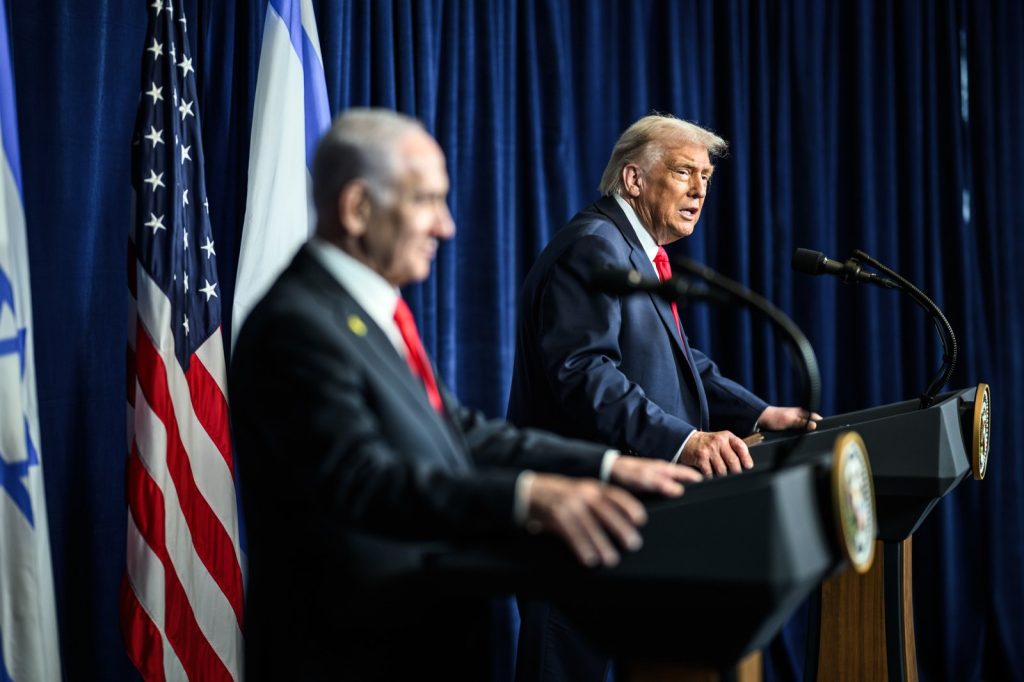
Rome, August 21 — In the corridors of power and policy, where geopolitics often dictate the course of technological progress, the latest developments in Israel’s West Bank settlement expansion have sent ripples through the global tech investment landscape. Against this backdrop of heightened regional tension, the announcement by Israeli Prime Minister Benjamin Netanyahu in September — that settlements in E1, a strategically sensitive area east of Jerusalem, would proceed — marked a decisive shift.
This move, historically contentious and legally fraught, has not only reignited debates over international law but also introduced new variables into the calculus of tech firms and investors navigating the region. At the heart of the controversy was the signing of an agreement to advance construction of approximately 1,200 settlement homes in E1.
Netanyahu’s declaration that “this place belongs to us” underscored a defiance of decades of global pressure to halt such expansion.
The UN secretary-general condemned the plans as an “existential threat” to a potential Palestinian state, while a coalition of European nations — the UK, France, Germany, Italy, and Canada — issued a joint statement branding the expansion “unacceptable,” warning it would “drive a wedge through the West Bank.” These reactions, though varied in tone, converged on a shared concern: the erosion of stability in a region that has, for years, been a crucible for tech innovation and foreign capital.
Diplomatic Fallout and Investment Implications
Palestinian Authority President Mahmoud Abbas welcomed the condemnations, though the specifics of his response remain unclear from the source material. What is evident is the broadening coalition against Israel’s actions. The European Union’s alignment with the UN and other states signals a potential hardening of external pressure, which could translate into stricter regulatory environments for tech firms.
For instance, companies reliant on data centers or cloud infrastructure in the region might encounter new compliance hurdles, particularly if sanctions or trade restrictions are imposed. The opening of tenders for E1 construction in recent days has already begun to unsettle stakeholders.
Investors, historically drawn to the Middle East’s tech growth potential, may now weigh reputational risks against financial returns. A company perceived as supporting or benefiting from such expansion could face boycotts or divestment, particularly from European or UN-aligned investors. Meanwhile, AI developers creating tools for conflict prediction or resource management might find their applications scrutinized through a geopolitical lens, altering demand or usage patterns.
The Role of AI in Navigating Uncertainty
AI productivity tools, which are increasingly central to business operations, offer both opportunities and challenges in this context. On one hand, these tools can enhance due diligence by analyzing real-time data on policy changes or supply-chain disruptions. On the other, their effectiveness depends on the quality and timeliness of the data they process — data that may be skewed by geopolitical volatility.
Developers of such tools must consider how rapidly evolving regulations could affect their algorithms or user trust. Moreover, the integration of AI into risk management strategies for tech investments requires a nuanced approach.
While AI can model scenarios based on historical data, the unprecedented nature of current events — such as the acceleration of settlements amid international backlash — may render traditional models less reliable. Firms may need to invest in dynamic systems capable of adjusting to unforeseen variables, a task that demands both technical expertise and a deep understanding of the region’s political economy. The broader picture, however, reveals a pattern: geopolitical instability often acts as a catalyst for technological adaptation.
The settlement expansion in E1 is not an isolated event but part of a longer trend of regional tensions influencing global markets. For tech investors, the key takeaway is that risk is no longer solely financial or operational — it is increasingly intertwined with political and ethical dimensions.
As the E1 tenders progress, stakeholders will need to ask critical questions about compliance, transparency, and the long-term viability of their investments in a region where rules of the game are in flux.




