
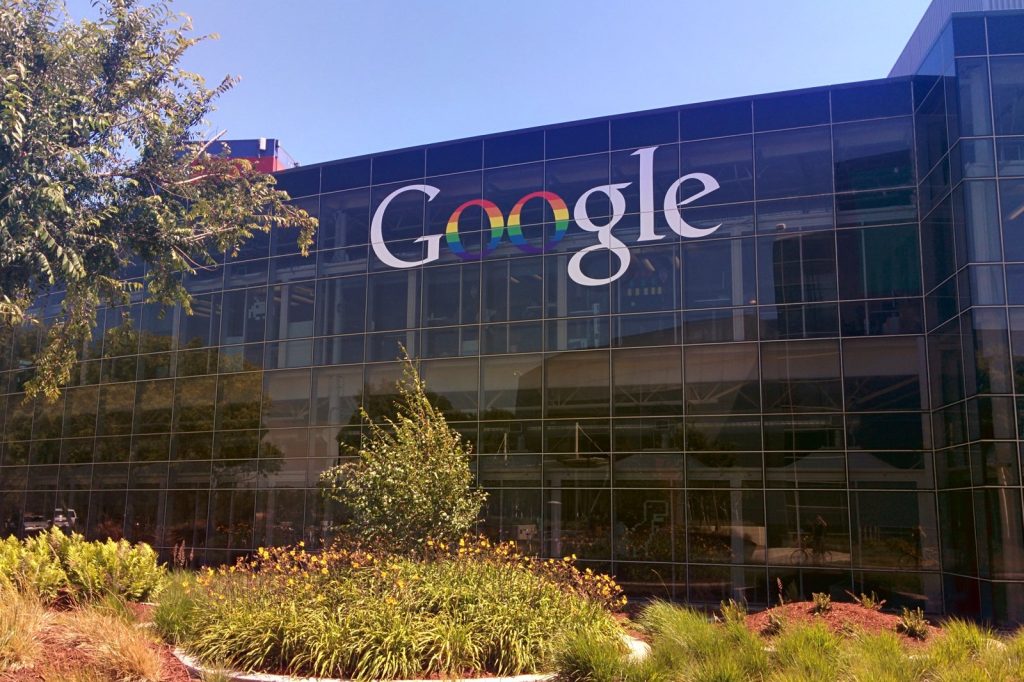
On February 15, 2025, Alphabet, the parent company of Google, revised its public AI ethics policy. The update removed guidelines that had previously prohibited the use of AI technology in certain applications. While Alphabet has not disclosed the specific fields that may now be pursued, the change signals a potential shift in the company’s approach to ethical boundaries for artificial intelligence.
Background on Google AI
Google AI, a subsidiary of Google DeepMind, was first introduced at Google I/O 2017 by CEO Sundar Pichai. Since its launch, the division has expanded its research footprint worldwide, establishing facilities in Zurich, Paris, Israel, and Beijing. This global presence allows Google AI to draw on a diverse pool of talent and expertise. In 2023, Google AI underwent a major reorganization that combined Google Brain with Google DeepMind, a United Kingdom‑based firm acquired by Google in 2014.
As part of this restructuring, Jeff Dean, who had been leading Google AI, was appointed chief scientist at Google. The merger is viewed as strengthening the company’s capacity to tackle complex AI challenges and explore new applications.
Google AI has also engaged with ethical considerations beyond research. In March 2019, the company launched the Advanced Technology External Advisory Council (ATEAC), composed of eight members with varied backgrounds. The council was disbanded within a month after staff raised objections to the inclusion of Kay Coles James.
Implications and Outlook
The recent alteration to Alphabet’s AI ethics policy may affect the future direction of Google AI’s research and development efforts. Although no concrete details about prospective applications have been provided, the move suggests a willingness to reconsider previously restricted areas of AI use.
Observers note that Google AI will likely continue to face discussions about the ethical consequences of its work. Monitoring the division’s progress, its handling of ethical concerns, and its collaborations with other experts and organizations will be important as the AI landscape evolves. Maintaining a focus on transparency, accountability, and responsibility remains essential for Google AI and other players in the field.
By advancing research while upholding these principles, the company aims to influence the trajectory of artificial intelligence and its broader societal impact.
{“@context”: “https://schema.org”, “@type”: “NewsArticle”, “headline”: “Alphabet Updates Public AI Ethics Policy Amid Global Expansion”, “description”: “On February 15, 2025, Alphabet, the parent company of Google, revised its public AI ethics policy. The update removed guidelines that had previously prohibited “, “datePublished”: “2026-06-23T09:30:00+00:00”, “author”: {“@type”: “Person”, “name”: “Maria Romano”}, “publisher”: {“@type”: “Organization”, “name”: “InfoPulse Today”, “url”: “https://newsfeed.infopulsetoday.com/”}, “image”: “https://infopulsetoday.com/wp-content/uploads/sites/4/rehomed/s23/2026/05/google-ai-51e37338-1.jpg”}




