
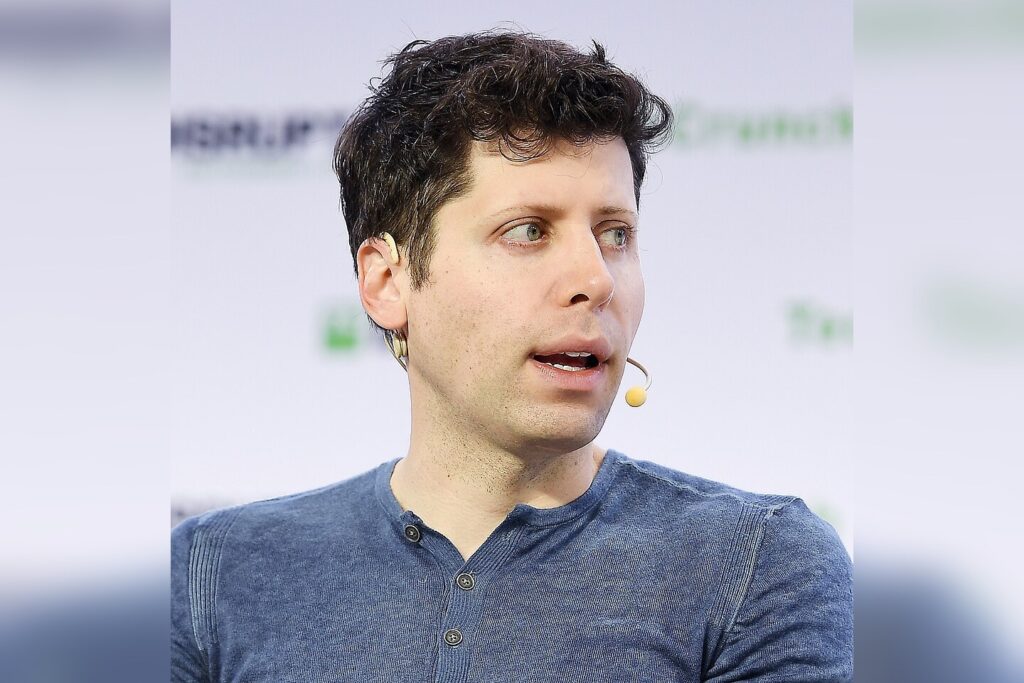
Sam Altman told G7 leaders something they may not have wanted to hear: the companies building the world’s most powerful artificial intelligence should not be the ones writing the rules for it. “Do not cede your responsibilities to AI labs like mine,” the OpenAI chief executive said at the summit. The line was blunt.
It was also a direct challenge to governments that have moved slowly on regulation while his industry races ahead. The debate over whether AI is useful is finished, Altman argued.
More powerful systems are coming in the next few years. They will reshape the global economy and accelerate scientific discovery. That is not speculation from a tech optimist.
It is a warning about what happens if democratic institutions fail to act. What is at stake is ordinary.
Jobs. The way families live. The information people see.
The decisions that affect communities. Altman’s point was that these are not technical questions for engineers to solve in San Francisco offices. They are political questions.
They belong in parliaments and town halls. The G7 summit provided the stage.
The message was aimed at the people who hold power over those institutions. Altman told them plainly that they cannot outsource governance to the companies that stand to profit most from the technology. That is a striking position for the head of the world’s most prominent AI company to take.
It acknowledges a tension at the heart of the industry. OpenAI and its rivals are developing systems that could transform society.
They are also private companies accountable to investors. Those two facts are in conflict. Altman did not pretend otherwise.
He drew a line between building the technology and deciding how it gets used. The first job belongs to his labs. The second belongs to everyone else.
For ordinary people, the distinction matters. If governments take Altman’s advice, communities will have a say in how AI enters their lives.
Democratic institutions will set the boundaries. Companies like OpenAI will operate within them. If governments do not take the advice, the companies will set the boundaries themselves.
That is the risk Altman identified. He did not frame it as a hypothetical.
He described it as a choice that is already being made by default. The coming years will see a surge in AI development. The technology is not waiting for consensus.
It is being deployed into hospitals, schools, workplaces, and homes. The question is whether the rules that govern it will be written by elected officials or by corporate executives. Altman’s answer was clear.
He said the responsibility belongs to democratic institutions. He said AI labs should not hold it.
That is a remarkable admission from someone who runs one of those labs. It also puts pressure on governments to move. They cannot claim they were not warned.
The warning came from the person best positioned to know what is coming next.
{“@context”: “https://schema.org”, “@type”: “NewsArticle”, “headline”: “Altman Warns G7 Leaders Not to Defer AI Rulemaking to Industry”, “description”: “Sam Altman told G7 leaders something they may not have wanted to hear: the companies building the world’s most powerful artificial intelligence should not be…”, “datePublished”: “2026-06-20T09:48:00+00:00T09:30:00+00:00”, “author”: {“@type”: “Person”, “name”: “Erika Johnson”}, “publisher”: {“@type”: “Organization”, “name”: “InfoPulse Today”, “url”: “https://newsfeed.2bme.xyz/”}}




