
New York — The chat platform Slack has become a second office for millions of workers. Messages pile up. Decisions get buried.
Someone always asks a question that was answered three hours earlier. Anthropic, the artificial intelligence company behind the Claude model, thinks it has a fix.
It is called Claude Tag. The tool works inside Slack. Type “@Claude” in a thread and the AI joins the conversation.
It reads everything. It remembers context.
Over time, it builds an understanding of ongoing projects. This is not a chatbot you query and forget. It stays aware.
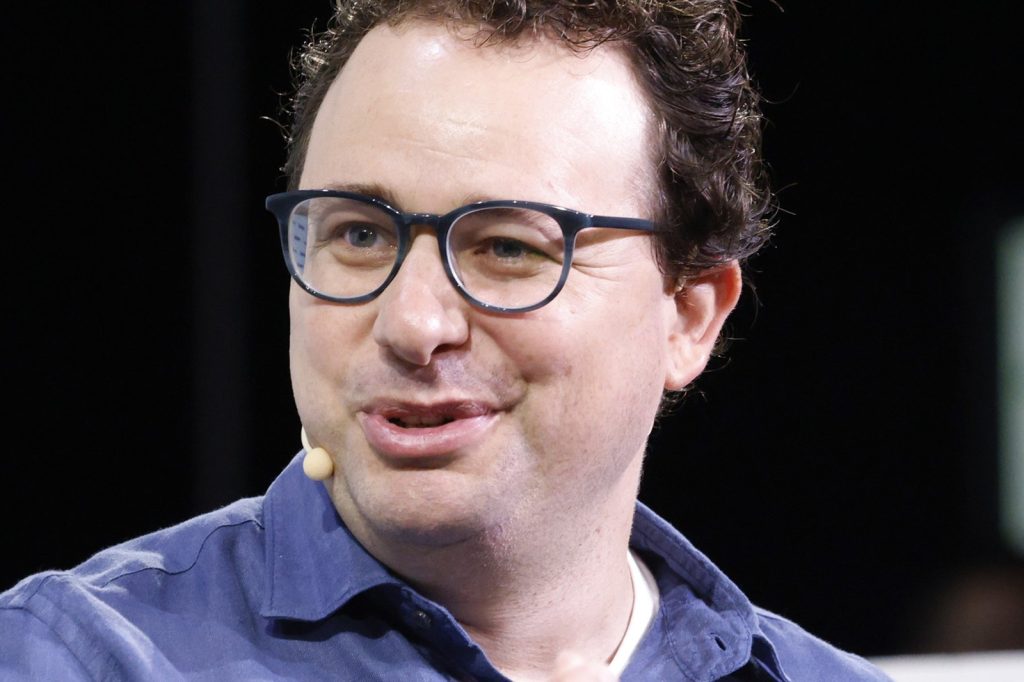
Dario Amodei, who leads Anthropic, described Claude Tag as an AI that stays aware of ongoing conversations, remembering context over time. That memory lets it understand projects and discussions more deeply as they develop. For teams, the appeal is obvious.
Work happens in fragments. A product launch involves design, engineering, marketing, legal.
Each group has its own channel. Information lives in silos. Claude Tag can pull from other approved channels and tools.
It finds useful updates without anyone having to dig. It can break assignments into smaller tasks.
It answers questions. It provides data. Administrators control what the AI sees.
They grant access to specific channels, documents, and applications. Sensitive information stays restricted. The company decides the boundaries.
That matters. Slack channels often contain salary discussions, performance reviews, legal strategy.
A tool that reads everything would be a nonstarter. Claude Tag only accesses what it needs. This is not Anthropic’s first product.
The company released Claude, a general-purpose AI assistant, in 2023. It competes with OpenAI’s ChatGPT and Google’s Gemini.
But Claude Tag targets a specific pain point: the chaos of team chat. The timing makes sense. Remote and hybrid work is now normal.
Slack reported over 200,000 paid customers in 2023. Teams rely on it for daily operations. But the tool has limits.
Messages scroll off screen. Threads branch into dead ends.
People miss mentions. A persistent AI that tracks the whole conversation could change that. Rob Seaman, the general manager of Slack, has not commented publicly on Claude Tag.
But the integration is straightforward. Any team member can invite the AI by typing “@Claude” in a thread.
No setup required. No training. It is an extension of the existing workflow.
This matters beyond convenience. Conventional AI chatbots respond when asked. They have no awareness of what happened before.
They do not follow a discussion. Claude Tag does.
It participates in group discussions. It keeps track of ongoing work. It acts like a virtual coworker.
The potential is real. So are the risks.
An AI that reads team conversations raises privacy questions. Anthropic says administrators control permissions. But trust is earned slowly.
Companies will need to see the system work before they let it into sensitive channels. Still, the direction is clear. AI is moving from a tool you use to an agent that works alongside you.
Claude Tag is one step in that shift. It joins the conversation.
It remembers. It helps. For teams drowning in Slack noise, that might be exactly what they need.




