
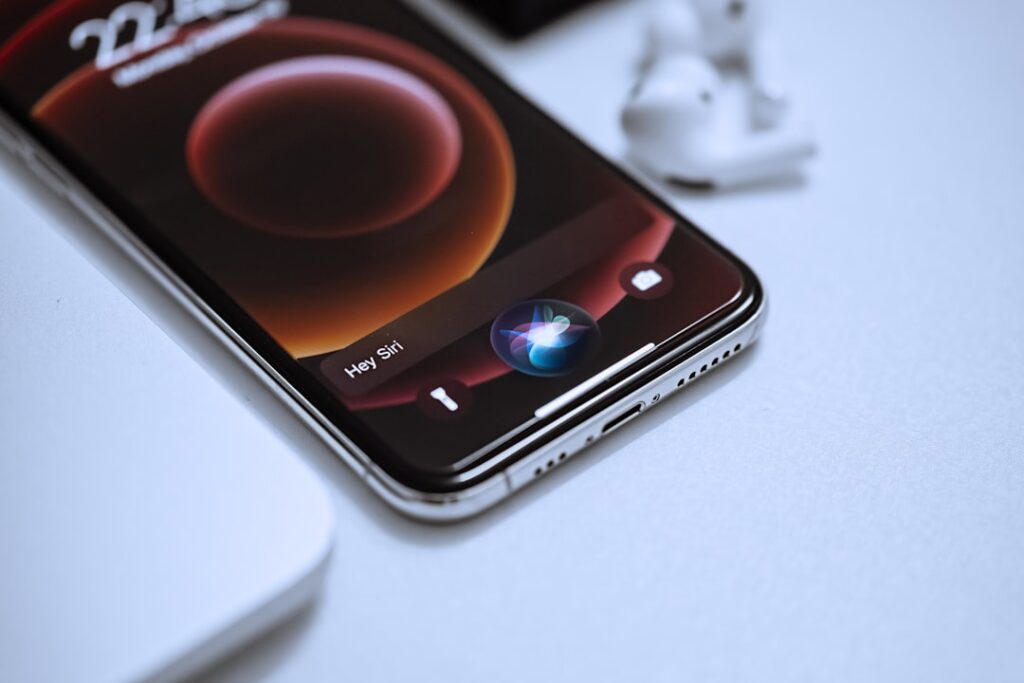
Apple’s Worldwide Developers Conference keynote on June 10 2024 lived up to the anticipation, unveiling a generative AI framework called Apple Intelligence that is woven into iOS 18, iPadOS 18 and macOS Sequoia. Rather than a single product rollout, the announcement signals a strategic shift for a company that has historically kept artificial intelligence out of the spotlight, using it mainly for tasks such as photo sorting or Siri’s rudimentary responses.
Hardware requirements
The company drew a clear line about where the new capabilities will run. On macOS, Apple Intelligence functions exclusively on Apple‑silicon Macs, leaving every Intel‑based model still in users’ hands without access to the feature set. The same restriction applies to iPhone and iPad: only devices capable of running the latest operating systems receive the free upgrade.
The underlying message is straightforward – to experience the AI future, users need hardware that can support it.
What the system offers
The feature set mirrors what rivals have already shipped: writing aids for grammar and proofreading, image creation, system‑wide notification summaries, and AI‑enhanced photo retouching. Google and Microsoft have been delivering comparable tools for months. What distinguishes Apple’s approach is its hybrid processing model, in which some tasks are handled on‑device while others are offloaded to servers.
This dual track is presented as a privacy‑focused bet, though it also acknowledges the practical limits of on‑device computation.
Processing model
On‑device execution provides speed and keeps data local, but it is constrained by the capabilities of the chip. Server‑side processing delivers greater power, yet introduces latency and raises questions about trust. Apple is attempting to combine both, hoping to reap the benefits of each while mitigating their drawbacks.
Distribution and pricing
Apple Intelligence is not offered as a separate app nor as a subscription service. It is distributed free of charge, baked directly into the operating system, with no tiers or paywalls. Every user whose device meets the compatibility requirements receives the same tools.
This contrasts with Microsoft’s Copilot, which is tied to a Microsoft 365 subscription, and reflects Apple’s belief that ubiquity, rather than exclusivity, will drive adoption and, consequently, hardware upgrades.
Hardware upgrade catalyst
The company frames the AI system as an engine for the next upgrade cycle. While the iPhone 15 is already a capable device, it cannot deliver the full performance promised by Apple Intelligence.
Anticipated successors – likely the A18 chip for iPhones and the M4 series for Macs – are being engineered with these AI workloads in mind. The June 10 announcement serves as the bait; the real payoff arrives in September when the new hardware ships.
Timing and competitive context
Apple has been perceived as lagging in the generative AI race, with rivals launching chatbots and image generators throughout 2023. By waiting, the company let others absorb early criticism related to hallucinations, privacy concerns, and regulatory scrutiny. Now Apple steps forward with a polished, integrated system that runs on its own silicon and operating systems, following its classic pattern of letting a market mature before entering with a tightly coupled offering.
Execution challenges
The ultimate test will be how seamlessly the technology works in everyday use. For Apple Intelligence to succeed, it must feel invisible; users should not need to ponder whether a task is processed locally or remotely.
If notification summaries are inaccurate, the feature becomes noise. If image generation lags, adoption will stall. Apple’s reputation for polish helps, but AI remains a domain where even the most refined models can err.
The true challenge is not building the capability but ensuring it is reliable enough to earn user trust.
Looking ahead
June 10 marked not just a product reveal but a declaration of direction. Apple is now fully committed to treating generative AI as a core platform capability, with no apparent retreat. The coming years will reveal whether the gamble on tight hardware‑software integration pays off, or whether the company’s insistence on control – its own chips, its own OS, its own privacy stance – leaves it behind more open alternatives.
For now, Apple has drawn a line; the rest of the industry will need to respond.
{“@context”: “https://schema.org”, “@type”: “NewsArticle”, “headline”: “Apple Unveils Apple Intelligence, Declares AI War with New System”, “description”: “Apple’s Worldwide Developers Conference keynote on June 10 2024 lived up to the anticipation, unveiling a generative AI framework called Apple Intelligence”, “datePublished”: “2024-06-10T09:30:00+00:00”, “dateModified”: “2026-08-17T12:00:00+00:00”, “author”: {“@type”: “Person”, “name”: “Li Wei”}, “publisher”: {“@type”: “Organization”, “name”: “Info Pulse Today”, “url”: “https://infopulsetoday.com/”}, “articleSection”: “”Artificial Intelligence””, “mainEntityOfPage”: {“@type”: “WebPage”, “@id”: “https://infopulsetoday.com/apple-intelligence-limits-ai-features-to-apple-silicon-macs/”}, “image”: “https://infopulsetoday.com/wp-content/uploads/2026/08/companion_9039.jpg”}




