
MANILA, July 20 — Automation bias is a growing concern as hospitals, power plants, and aircraft cockpits across the world — including here in Asia — increasingly rely on computerised systems to make decisions. The term describes the human tendency to trust suggestions from automated decision-making tools and to ignore information that contradicts them, even when the non-automated information is correct. The concept comes from social psychology, where researchers found that people assign more positive evaluations to decisions made by other humans than to a neutral object.
That same positivity bias has been observed in human-automation interaction: automated decisions are rated more positively than neutral ones. This bias becomes a problem when humans are in an observatory role but still able to make decisions — exactly the situation in intensive care units, nuclear power plants and aircraft cockpits that now integrate computerised monitors and decision aids designed to reduce human error.
How trust shapes behaviour
An operator’s trust in an automated system leads to different interactions: system use, misuse, disuse, and abuse. Overreliance on automated aids is known as ‘automation misuse’. That is directly linked to automation bias, because a user may place too much trust in the system or default to mental shortcuts called heuristics.
The opposite problem, ‘disuse’, occurs when the user ignores or turns off automation. Both misuse and disuse can cause errors.
Erring through misuse can mean either a lack of monitoring, called an error of omission, or blind agreement with the automated suggestion, called an error of commission. The source material notes that automation use and disuse also influence four stages of information processing: information acquisition, analysis, decision making and action selection, and action implementation.
Real-world examples
Consider an automated engine gauge that helps a pilot monitor engine performance by highlighting changes. That assists information acquisition and directs selective attention. But pilots may overtrust the gauge and miss other malfunctions — a classic case of automation complacency and misuse.
Conversely, if a pilot spends time interpreting the gauge and adjusting the aircraft only to find no change in turbulence, the pilot may begin ignoring future alerts from the system. That is automation complacency leading to disuse.
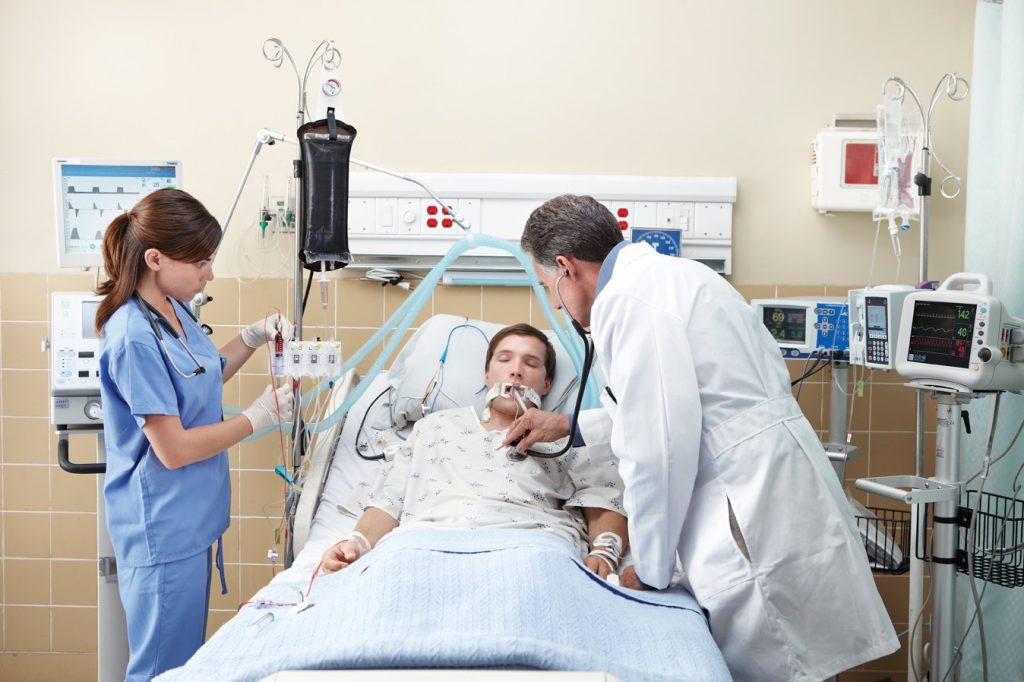
These dynamics play out not only in cockpits but also in settings closer to the ground. Nuclear power plants across the region rely on automated safety systems; intensive care units use decision aids for medication and ventilator settings. When operators fall into automation bias, the consequences can ripple through entire communities.
Closer to home, for communities across Asia where nuclear energy is part of the power mix, the risk of automation misuse in control rooms is a quiet but real concern. The same applies to hospitals in Manila, Bangkok, or Jakarta — where a nurse or doctor might trust a computerised alert without double-checking the patient’s vital signs.
As automation continues to spread, the challenge
Sources
{“@context”: “https://schema.org”, “@type”: “NewsArticle”, “headline”: “**Automation Bias: AI Overuse Erodes Human Judgment**”, “description”: “MANILA, July 20 — Automation bias is a growing concern as hospitals, power plants, and aircraft cockpits across the world — including here in Asia…”, “datePublished”: “2026-07-20T09:30:00+00:00”, “author”: {“@type”: “Person”, “name”: “Merry Gel Sigui”}, “publisher”: {“@type”: “Organization”, “name”: “InfoPulse Today”, “url”: “https://newsfeed.infopulsetoday.com/”}, “citation”: [{“@type”: “CreativeWork”, “url”: “https://en.wikipedia.org/wiki/Automation_bias”}]}




