
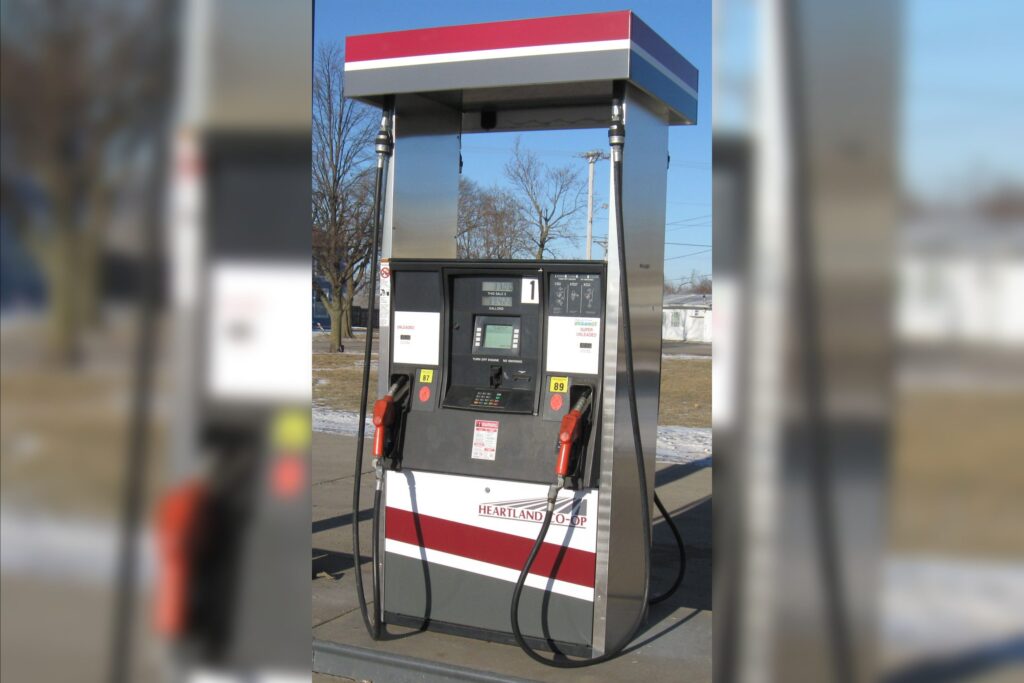
The people filling their tanks at California gas stations are the ones left wondering who set the price they just paid. The accusation that artificial intelligence is being used to inflate those prices has turned a routine transaction into a question of fairness. No one has produced concrete evidence yet.
That has not stopped the debate. It is a debate about who controls the number on the pump.
The technical reality is that AI can analyze market trends and adjust prices accordingly. That is a powerful tool. It can also be a tool for manipulation if no one is watching.
The problem is that no one is watching the algorithms. Gas stations use complex systems to set prices, and those systems are not open for public inspection.
Without access to the code, it is impossible to say whether AI is being used to squeeze more money out of drivers or simply to keep up with the market. The rise in gas prices has been observed. That is a fact.
The speculation that AI is a factor is just that — speculation. But it is speculation with a foundation. The use of AI in the gas industry is becoming increasingly prevalent.
That is also a fact. As the systems spread, the lack of transparency becomes a bigger problem.
Several people have come forward to express their concerns. Their concerns are valid. But a concern is not a proof.
The key challenge is that the algorithms are black boxes. They take in a variety of factors — crude oil costs, refinery output, competitor pricing, demand forecasts — and spit out a number.
If an AI is trained to maximize profit, it will find the highest price the market will bear. That is its job. Whether that crosses a line into unfairness is a question for regulators, not for programmers.
And regulators are not inside the black box. What to watch next is the response. If the accusations gain traction, California lawmakers may demand access to those algorithms.
That would be a first. The gas industry has long resisted any such transparency, arguing that pricing strategies are trade secrets.
The AI angle changes the calculation. A secret algorithm that sets prices for millions of drivers is different from a manager at a desk adjusting a sign. The potential for harm is larger.
The potential for coordinated behavior across many stations is larger. There is no evidence of coordination yet.
There is only the accusation and the observed price rise. But the industry is evolving. The technology is evolving.
And the consumer is left paying the bill without knowing who or what set it. That is the fallout. The debate is not going away until someone opens the hood and shows what the machine is doing.
Until then, every fill-up carries a question mark.




