
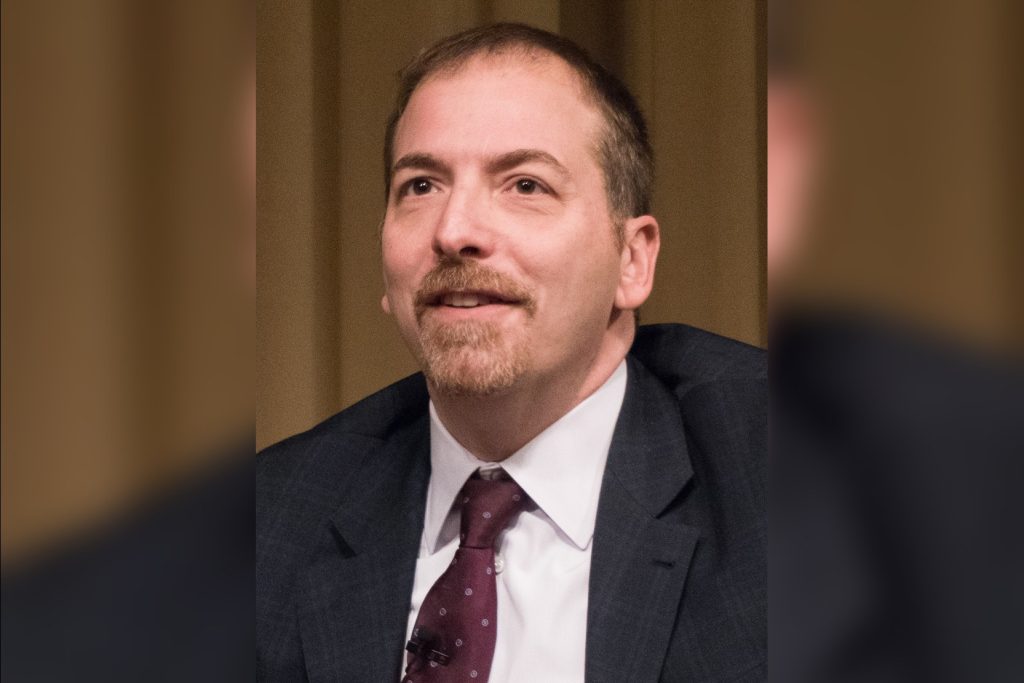
Chuck Todd’s endorsement lands with some weight here. The “Meet the Press” host called Political Wire one of the few outlets that actually understands politics. That’s the source behind a new analysis on AI backlash, and the timing is precise: June 27, 2026.
The report says the pushback is only getting louder. But the real news isn’t just that people are angry.
It’s who is angry. The analysis points to a coalition that spans tech workers, policymakers, academics, and everyday users. That range matters.
When the people building the systems join the people being affected by them, the conversation shifts. It stops being a niche complaint and becomes a structural challenge.
The report makes a blunt claim about AI systems: they are not neutral. They carry the biases and values of their creators. Without oversight, they can perpetuate harm.
That’s not a hypothetical. The public, according to the analysis, is waking up to that reality. Job displacement, privacy erosion, misinformation spread — these are not abstract risks anymore.
They are lived experiences. Political Wire’s analysis does not offer hard numbers.
No polls, no percentages. What it offers is qualitative evidence of a sharp rise in public discourse. People are talking about regulation.
They are demanding ethical guidelines. The conversation has moved from pure optimism to a cautious, measured stance.
That is a real shift in tone. One detail stands out. The report says this backlash is “only going to grow louder.” That is a prediction, but it is grounded in the diversity of the voices involved.
A single group can be dismissed. A broad coalition is harder to ignore. The tech industry has spent years selling AI as inevitable progress.
The Political Wire analysis suggests that sales pitch is failing. The public is no longer buying the idea that algorithms are neutral tools.
They see the human fingerprints. They see the potential for harm. And they are starting to push back.
What happens next is unclear. The report does not offer a roadmap.
It does not name specific companies or propose specific laws. It simply documents a mood. That mood is skeptical.
It is demanding. And according to the analysis, it is not going away. Todd’s endorsement of Political Wire is worth noting because it adds credibility to the reporting.
But the substance of the analysis stands on its own. It describes a moment when the AI narrative is being rewritten.
Not by executives or investors, but by a public that has started paying attention. The timing is significant. Mid-2026.
Five years after generative AI exploded into public view. The early hype cycle is over.
What remains is a harder conversation about power, accountability, and who gets to decide how these systems are used. That conversation is happening in offices, in legislatures, in classrooms, and online. The Political Wire analysis captures it at a specific point in time.
The report’s core finding is simple: the backlash is real, it is broad, and it is only getting started.
{“@context”: “https://schema.org”, “@type”: “NewsArticle”, “headline”: “Chuck Todd Endorses Political Wire Analysis of Broad AI Opposition Coalition”, “description”: “Chuck Todd’s endorsement lands with some weight here. The “Meet the Press” host called Political Wire one of the few outlets that actually understands politics….”, “datePublished”: “2026-06-27T10:18:00+00:00T09:30:00+00:00”, “author”: {“@type”: “Person”, “name”: “Sophie King”}, “publisher”: {“@type”: “Organization”, “name”: “InfoPulse Today”, “url”: “https://newsfeed.infopulsetoday.com/”}}




