
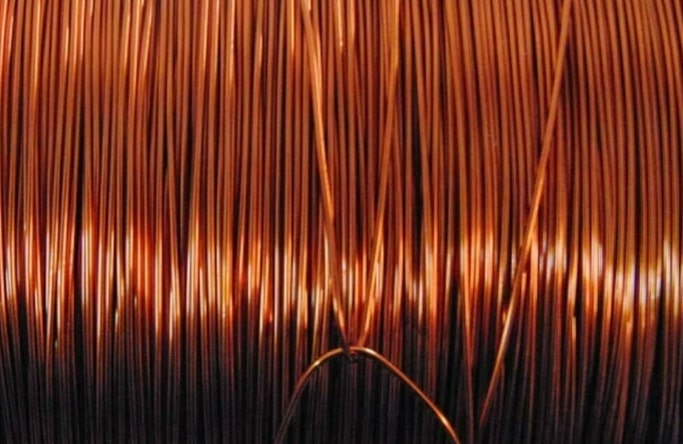
PHOENIX, July 8 — The copper gleams raw and exposed in the Arizona sun, snaking through half-finished concrete slabs and open wall cavities at a dozen data center construction sites on the city’s western edge. By nightfall, much of it will be gone. Copper prices have remained elevated, averaging around $4 per pound in 2024, making it a prime target for thieves.
The London Metal Exchange copper price hit a record high of $10,730 per metric ton in March 2024. That economic incentive drives thefts at construction sites, where copper is often unsecured.
On the ground, residents describe a familiar rhythm. Workers pack up at dusk. By morning, spools of wire have vanished.
Security guards patrol empty lots. The math is simple: a typical hyperscale data center can contain tens of thousands of pounds of copper, with a scrap value of hundreds of thousands of dollars.
Theft on the rise
The Institute of Scrap Recycling Industries reports that copper thefts from construction sites rose 25% in 2023 compared to 2022. Data center construction uses large amounts of copper for electrical wiring, grounding, and cooling systems. As AI infrastructure expands, the high copper content in these facilities makes them attractive targets.
Thieves sell stolen copper to scrap yards, often for cash, with little oversight. Some states, including Texas and California, have passed laws requiring scrap dealers to record seller IDs and hold payments for stolen goods.
But enforcement varies. At one site north of downtown Phoenix, a foreman points to a gap where grounding cable ran the length of a server hall. The copper was cut and pulled in a single night.
The replacement cost? Tens of thousands of dollars in materials alone, plus days of lost labor.
Uneven enforcement
Scrap yards operate under different rules depending on the state. In Texas, dealers must photograph sellers and keep records for two years. California requires payment by check or electronic transfer, not cash.
But in states with weaker laws, a driver can pull up, unload a truck bed of wire, and walk away with cash in minutes. Law enforcement agencies say tracking stolen copper is difficult.
The metal carries no serial number. Once melted, it is indistinguishable from legitimate scrap. Prosecutors rarely pursue small-scale thefts, and the penalties for a first offense are often light.
The problem is not new. Copper theft has plagued construction sites for decades.
But the scale has shifted. A data center can hold more copper than an entire housing development. The payoff for a single heist can reach hundreds of thousands of dollars.
What to watch next
With copper prices expected to stay high through 2026, industry analysts expect thefts to continue rising. Data center construction shows no sign of slowing. The AI boom demands more server farms, more wiring, more grounding cable.
Some companies are experimenting with copper alternatives — aluminum wiring, fiber optics, security tagging systems. But the transition is slow.
Copper remains the standard for electrical conductivity and reliability. For now, the scene repeats itself across the Sun Belt. A crew arrives at dawn.
The copper is gone. The foreman makes a phone call.
The insurance adjuster takes notes. And somewhere, a scrap yard pays cash for metal that belongs to someone else.




