
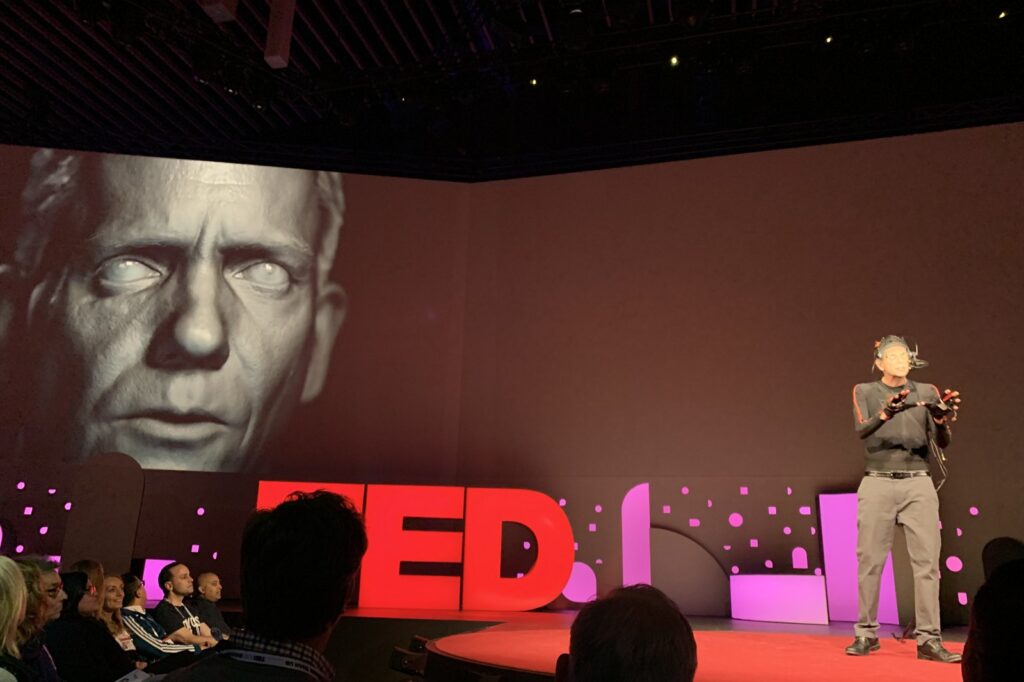
WASHINGTON, July 21 — Deepfakes, the synthetic media created by artificial intelligence, have moved from academic labs to the front lines of political disinformation, raising alarms about election interference, fraud, and the erosion of trust in visual evidence. The term itself is a portmanteau of ‘deep learning’ and ‘fake.’ These are images, videos, or audio clips edited or generated using AI-based tools or conventional audiovisual software, depicting real or fictional people.
The technology works by combining media elements through machine learning techniques — facial recognition algorithms, variational autoencoders, and generative adversarial networks, or GANs. Photo manipulation is not new.
It originated in the 19th century and was applied to motion pictures, with technology steadily improving during the 20th century. What changed, according to the academic record, was the development of GANs in the mid-2010s. These systems pit two neural networks against each other: one generates fakes, the other tries to detect them.
The competition produces increasingly realistic output.
A technical timeline
Academic researchers began developing deepfake technology in the 1990s, the record shows. Amateurs in online communities later adopted the tools, followed by industry. By the mid-2010s, GANs marked a turning point, enabling fakes that are difficult to distinguish from authentic footage.
Research on deepfakes is divided into two broad streams. Computer vision scientists focus on creation and detection techniques.
Humanities and social science scholars study the social, ethical, aesthetic, journalistic, and informational implications. This divide means detection methods are being developed by image forensics experts, but there remain research gaps regarding how deepfakes propagate on social media platforms.
Real-world concerns
The record shows deepfakes have raised concerns across multiple domains. Disinformation campaigns, hate speech, election interference, and child sexual abuse material top the list. Also cited are celebrity pornographic videos, revenge porn, fake news, hoaxes, bullying, and financial fraud.
Negativity and emotional response are primary factors driving users to share deepfakes online, according to available research. The information technology industry and governments have proposed detection and mitigation recommendations, though no comprehensive solution has emerged.
The face as battleground
Cinema studies scholars note that deepfakes illustrate how “the human face is emerging as a central object of ambivalence in the digital age.” Film scholar Christopher Holliday has analyzed how altering the gender and race of performers in familiar movie scenes destabilizes gender classifications. The implications extend beyond entertainment into the realm of political propaganda, where a fabricated video of a candidate saying something they never said can spread faster than any correction.
On the timeline of deepfake development, 2026 represents a moment where the technology is widely accessible, detection remains a cat-and-mouse game, and the political consequences are only beginning to be measured. The US administration under President Donald Trump has not publicly issued new guidelines specific to deepfakes this year, but concerns about election interference remain on the agenda of lawmakers and intelligence agencies.
The next phase will likely involve deeper integration of detection tools into social media platforms and greater scrutiny of synthetic content during election cycles. What remains unresolved is the gap between technical capacity and regulatory response — a gap that deepfakes continue to exploit.
Sources
{“@context”: “https://schema.org”, “@type”: “NewsArticle”, “headline”: “Deepfake tech erodes voter trust, spurs political backlash”, “description”: “WASHINGTON, July 21 — Deepfakes, the synthetic media created by artificial intelligence, have moved from academic labs to the front lines of political disinformation, raising…”, “datePublished”: “2026-07-21T09:30:00+00:00”, “author”: {“@type”: “Person”, “name”: “Ariel Antonio”}, “publisher”: {“@type”: “Organization”, “name”: “InfoPulse Today”, “url”: “https://newsfeed.2bme.xyz/”}, “citation”: [{“@type”: “CreativeWork”, “url”: “https://en.wikipedia.org/wiki/Deepfake”}]}




