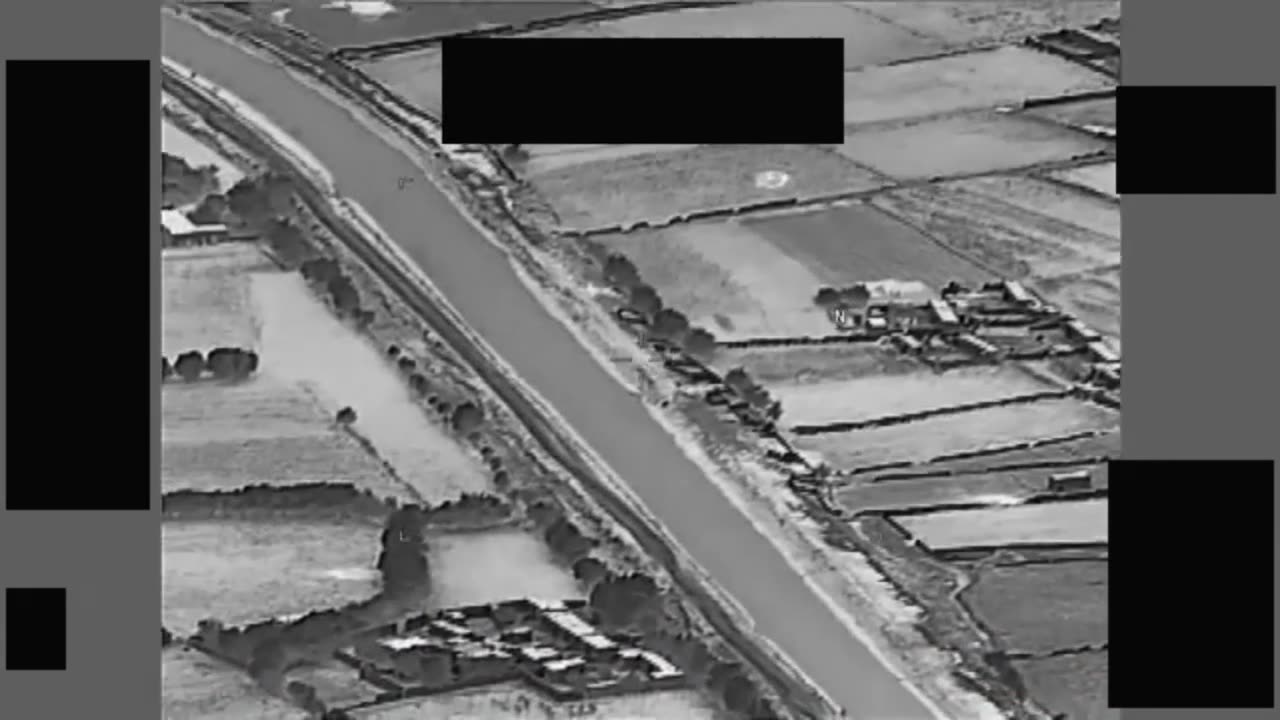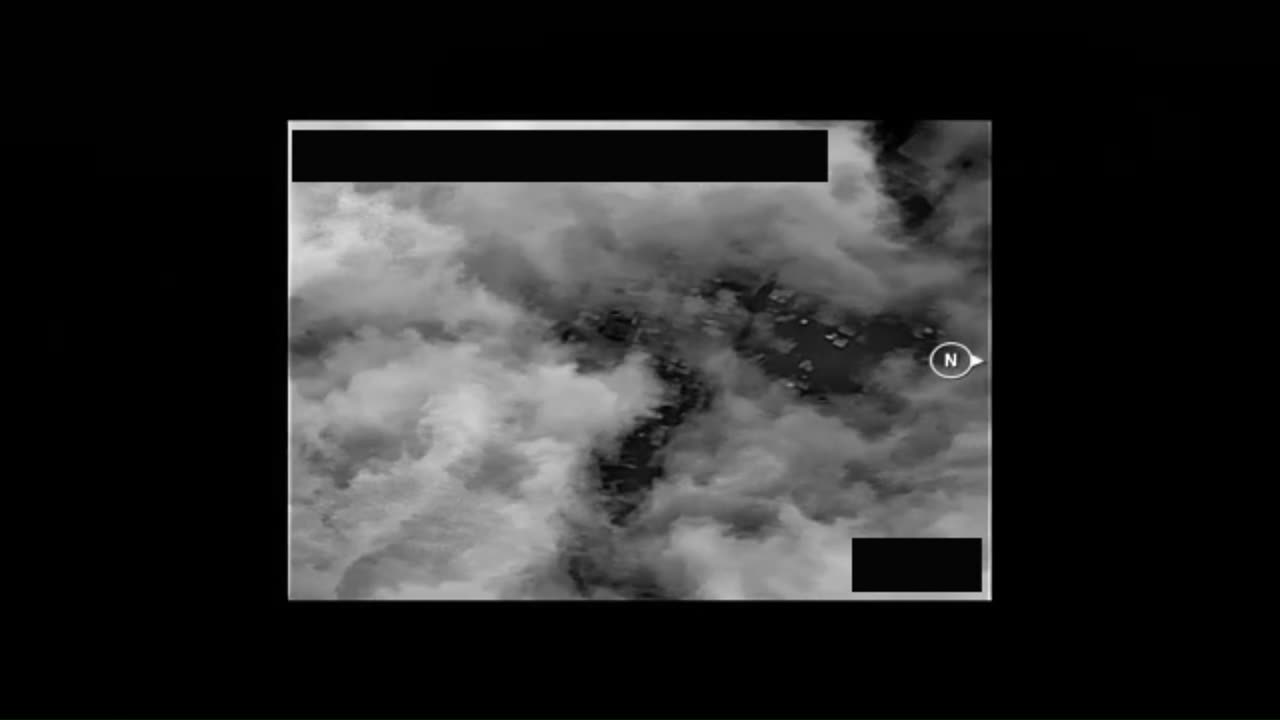
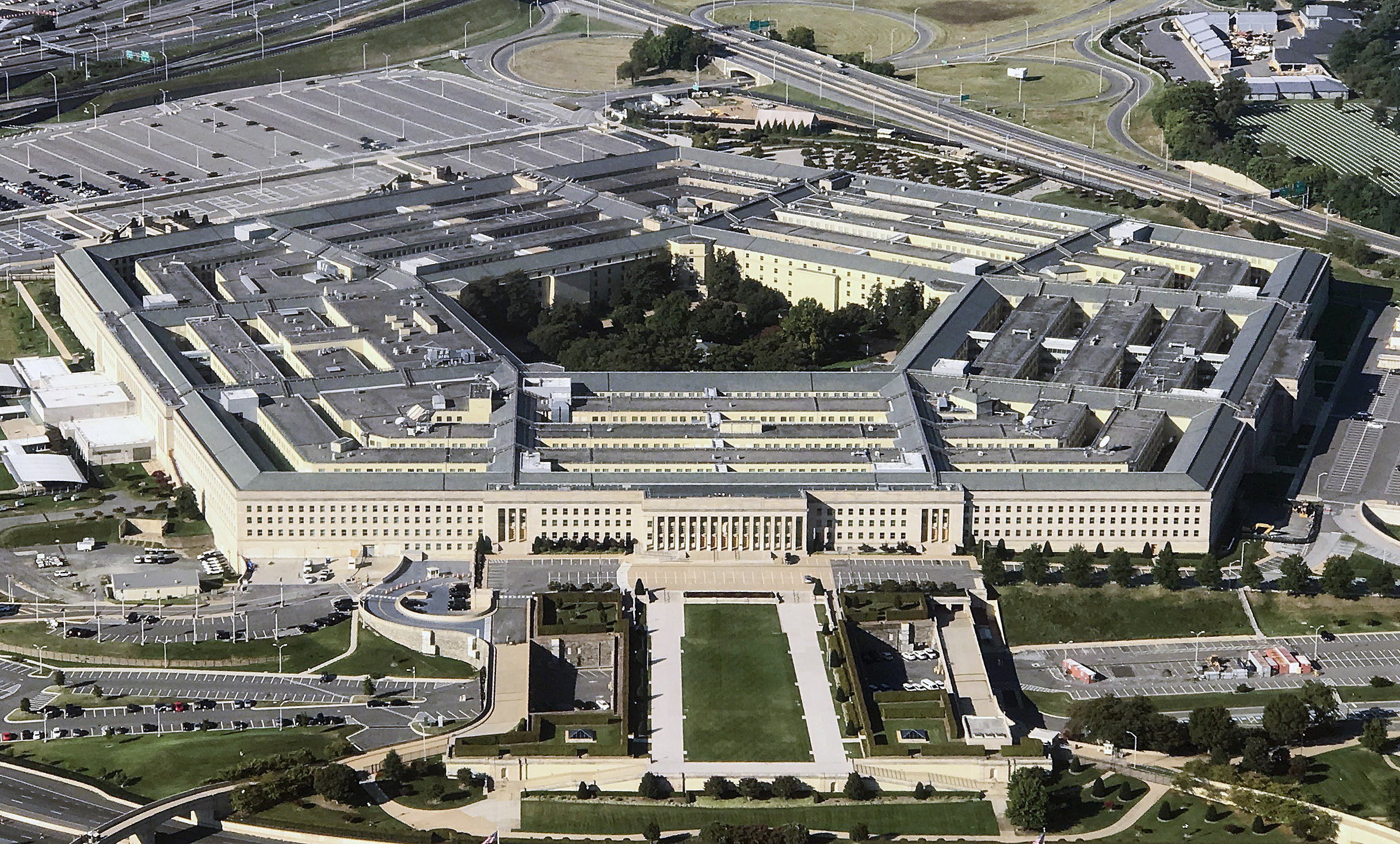
In a significant step toward government transparency regarding Unidentified Flying Objects and Unidentified Anomalous Phenomena (UFO/UAP), the U.S. Department of War has released its first tranche of records under the PURSUE programme. The release, posted on the Department of War’s official website on May 8, 2026, comprises 161 records spanning the late 1940s through to recent AARO-era videos. This marks the most comprehensive single release of such material to date, drawing from the archives of four distinct federal agencies.
What is PURSUE?
PURSUE is a declassification programme administered by the U.S. Department of War. According to the Department’s official posting, the programme is designed to systematically review and release government records related to UFO/UAP. The first release, designated PURSUE Release 1, is now available for public download at the archive URL: https://www.war.gov/medialink/ufo/release_1/. The Department of War serves as the distributing agency for all records in this release.
The 161 records included in PURSUE Release 1 represent a consolidation of material from four agencies: the Department of War itself contributed 82 records; the Federal Bureau of Investigation (FBI) contributed 57 records; the National Aeronautics and Space Administration (NASA) contributed 15 records; and the Department of State contributed 7 records. The records are available in multiple formats, including PDFs, images, and videos.
Historical Scope and Significance
The records in PURSUE Release 1 cover a broad historical sweep, from the late 1940s—the dawn of the modern UFO era following the 1947 Kenneth Arnold sighting and the Roswell incident—through to contemporary videos produced by the All-domain Anomaly Resolution Office (AARO). This temporal range is notable because it bridges the gap between the earliest government interest in UFOs and the most recent official investigations.
Prior to this release, the public had access to UFO/UAP records through various partial disclosures. For example, the FBI’s Vault—the Bureau’s online reading room—has long hosted a selection of UFO-related documents, including the famous 1950 memo from FBI Special Agent Guy Hottel regarding “flying saucers.” However, those releases were often piecemeal, limited to single agencies, and sometimes heavily redacted. PURSUE Release 1, by contrast, represents a coordinated, multi-agency effort to release records in a single, indexed package. The Department of War’s involvement as the lead agency adds a layer of official coordination that was absent from earlier, ad hoc disclosures.
The inclusion of NASA records is particularly noteworthy. While NASA has publicly acknowledged studying UAP in recent years—most notably through its 2023 independent study team—the agency has historically been reticent about releasing internal records on the topic. The 15 NASA records in this release represent a significant expansion of publicly available material from the space agency. Similarly, the Department of State’s 7 records offer a diplomatic perspective on UAP, a dimension that has received less public attention than military or intelligence agency documentation.
What the Release Contains
While the Department of War has not provided a detailed item-by-item breakdown of the 161 records, the agency has confirmed that the collection includes a mix of PDF documents, still images, and video files. The records span multiple decades, suggesting that researchers will find material ranging from early Cold War-era reports to modern sensor data.
The inclusion of AARO-era videos is particularly significant. AARO, established in 2022 as the successor to the UAP Task Force, has been the primary Pentagon office responsible for collecting and analyzing UAP reports from military personnel. Videos released by AARO in previous years—such as the well-known “Gimbal,” “Go Fast,” and “FLIR1” clips—have been the subject of intense public and congressional scrutiny. PURSUE Release 1 appears to include additional video material from this period, though the Department of War has not specified which specific videos are included.
For researchers and members of the public who have followed the UAP issue for decades, the PURSUE Release 1 represents a new level of access. Previous releases, such as those from the CIA’s CREST database or the National Archives’ Project Blue Book files, were often limited in scope or required in-person visits to physical archives. By making 161 records available for direct download from a single government website, the Department of War has lowered the barrier to entry for anyone seeking to examine these materials.
Implications for Transparency
The PURSUE programme is part of a broader trend toward increased government transparency on UAP. Since 2017, when the New York Times reported on the existence of the Advanced Aerospace Threat Identification Program, the U.S. government has taken a series of steps to acknowledge and declassify UAP-related material. These steps include the establishment of AARO, the passage of legislation requiring the release of UAP records, and the creation of the PURSUE programme itself.
The Department of War’s role as the distributing agency is also notable. The Department of War, which was reestablished in 2021 after being merged into the Department of Defense in 1947, has taken on a lead role in UAP declassification. This institutional positioning suggests that the PURSUE programme may have access to records that were previously scattered across multiple agencies and classified under various authorities.
It is important to note that PURSUE Release 1 is described as the first release, implying that additional tranches of records are planned. The Department of War has not announced a timeline for future releases, but the existence of the programme suggests a sustained commitment to declassification.
For now, the public can access the 161 records at the designated archive URL. The release includes material from four agencies, covering a period of nearly 80 years, in multiple formats. While the contents of individual records will require careful analysis by researchers, the scale and coordination of PURSUE Release 1 represent a new chapter in the government’s handling of the UFO/UAP issue.
Inside PURSUE Release 1: Records by Agency
Department of War (67 of 82 records covered)
- DoW: 18 100754 General 1946-7 Vol 2
- DoW: 18 6369445 General 1948 Vol 1
- DoW: 331 120752 Numeric Files 1944–1945 37153 German
- DoW: 341 110448 Records Relating to the Collection and
- DoW: 341 110677 Numerical File, 5-2500
- DoW: 342 HS1-416511228 319.1 Flying Discs 1949
- DoW: 38 143685 box Incident Summaries 101-172
- DoW: 38 143685 box Incident Summaries 173-233
FBI (56 of 57 records covered)
- FBI UFO Case File 62-HQ-83894 Sec. 1
- FBI UFO Case File 62-HQ-83894 Sec. 10
- FBI UFO Case File 62-HQ-83894 Sec. 2
- FBI UFO Case File 62-HQ-83894 Sec. 3
- FBI UFO Case File 62-HQ-83894 Sec. 4
- FBI UFO Case File 62-HQ-83894 Sec. 5
- FBI UFO Case File 62-HQ-83894 Sec. 6
- FBI UFO Case File 62-HQ-83894 Sec. 7
NASA (14 of 15 records covered)
- NASA: 255 413270 UFO's and Defense What Should we Prepare
- NASA: NASA-UAP-D1, Apollo 12 Transcript, 1969
- NASA: NASA-UAP-D2, Apollo 17 Transcript, 1972
- NASA: NASA-UAP-D3, Gemini 7 Transcript, 1965
- NASA: NASA-UAP-D4, Apollo 11 Technical Crew Debriefing, 1969
- NASA: NASA-UAP-D5, Apollo 17 Crew Debriefing for Science,
- NASA: NASA-UAP-D6, Apollo 17 Technical Crew Debriefing, 1973
- NASA: NASA-UAP-D7, Skylab Techincal Crew Debriefing 1973
Department of State (7 of 7 records covered)
- DoS: 59 214434 SP 16 [7.18.1963]
- DoS: 59 64634 711.5612[7-2852
- DoS: State Department UAP Cable 1, Papua New Guinea,
- DoS: State Department UAP Cable 2, Kazakhstan, January 31,
- DoS: State Department UAP Cable 3, Tbilisi, Georgia,
- DoS: State Department UAP Cable 4, Ashgabat, Turkmenistan,
- DoS: State Department UAP Cable 5, Mexico, September 16,