
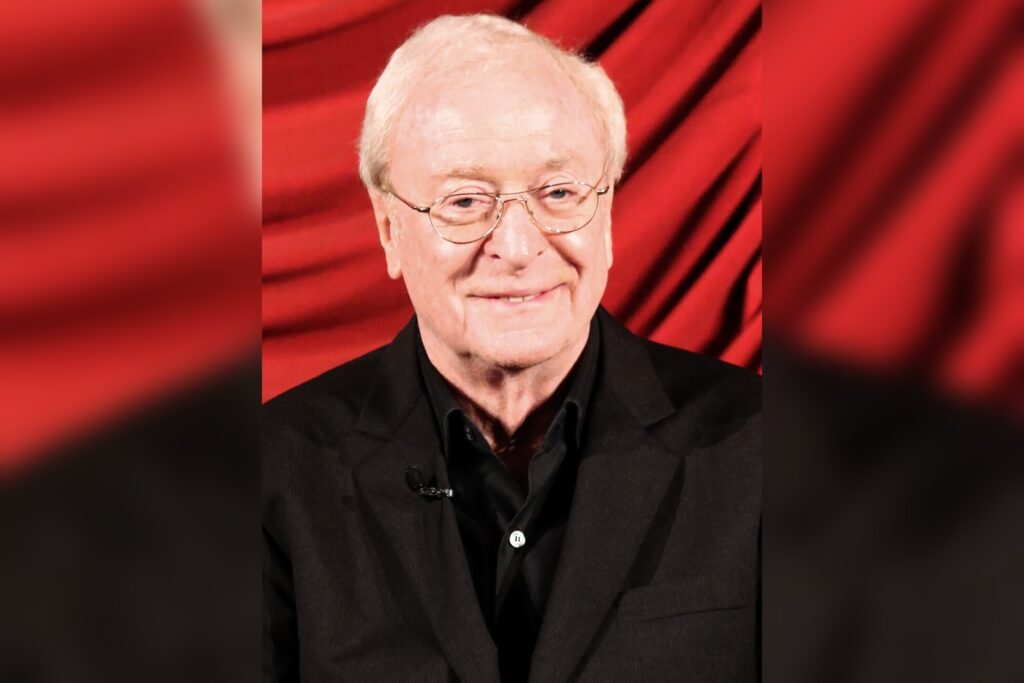
LONDON — The voice is unmistakable. That gravelly, precise, London-accented cadence that defined Alfred Pennyworth in Christopher Nolan’s Batman films and decades of British cinema has been pulled from the past and into a server. ElevenLabs, an AI audio company, now offers a 13-hour reading of Homer’s The Odyssey narrated by a synthetic recreation of Michael Caine’s voice.
The product is free on the company’s ElevenReader app. Twenty characters populate the production.
All are generated from ElevenLabs’ voice library. Sound design and music were built with the company’s own tools. No actors were recorded in a studio.
No microphone captured the 91-year-old Caine speaking a single line. The voice is a model, trained on existing recordings and licensed through a partnership with the actor.
Dustin Blank, ElevenLabs’ Head of Partnerships, called Caine a national treasure. He said the team believed Caine “would be the perfect person to help tell this story for his part in it.” The timing is deliberate. Nolan is preparing his own big-screen adaptation of The Odyssey.
The film will be a massive Hollywood production with a matching budget. ElevenLabs’ version is the opposite. It is a digital artifact assembled by engineers, not a crew of hundreds.
It runs nearly 13 hours. You can’t see it.
You can only hear it. This is where the story gets uncomfortable for some. The technology is advancing faster than the culture can process it.
A dead or retired actor’s voice can now be resurrected without their physical presence. Caine is alive and consented.
But the precedent is set. The next synthetic voice might not have that permission. Blank argued the product does justice to the source material.
“Our version of it is another retelling of it that we think is really strong,” he said. That is a commercial claim, but it is also a technical one. The AI must not merely mimic Caine’s voice but deliver the emotional weight of an epic poem about war, monsters, and longing for home.
Blank said Caine’s voice “means so much to so many people.” That meaning is the product now. The forces behind this are straightforward.
ElevenLabs wants to demonstrate that its voice library can carry a full-length audiobook. It chose Caine because his voice is widely recognized and beloved. It chose The Odyssey because Nolan’s film will drive interest in the material.
The company is not replacing actors, it says. It is extending what an actor’s voice can do after the actor stops working.
That is a fine line. Where this leads is predictable. More synthetic narrations will follow.
More dead or retired voices will be licensed. The audiobook industry, already worth billions, will face a new class of product: the AI-narrated classic, voiced by a legend who never stepped into a booth. The human narrators who make a living reading books will have to compete with a machine that never gets tired, never asks for a reread, and never charges a fee beyond the initial license.
ElevenLabs is betting the audience cares more about the voice itself than how it was produced. For families who grew up with Caine on screen, the synthetic version may feel like a gift.
For the actors and narrators who see their craft reduced to a data set, it feels different. The technology is here. The question is not whether it works.
It works well enough. The question is what happens to the people whose voices are now raw material.
{“@context”: “https://schema.org”, “@type”: “NewsArticle”, “headline”: “ElevenLabs Releases Free AI Michael Caine Narration of Homer’s *The Odyssey*”, “description”: “LONDON — The voice is unmistakable. That gravelly, precise, London-accented cadence that defined Alfred Pennyworth in Christopher Nolan’s Batman films and decades of British cinema…”, “datePublished”: “2026-06-28T16:31:00+00:00T09:30:00+00:00”, “author”: {“@type”: “Person”, “name”: “Maria Romano”}, “publisher”: {“@type”: “Organization”, “name”: “InfoPulse Today”, “url”: “https://newsfeed.2bme.xyz/”}}




