
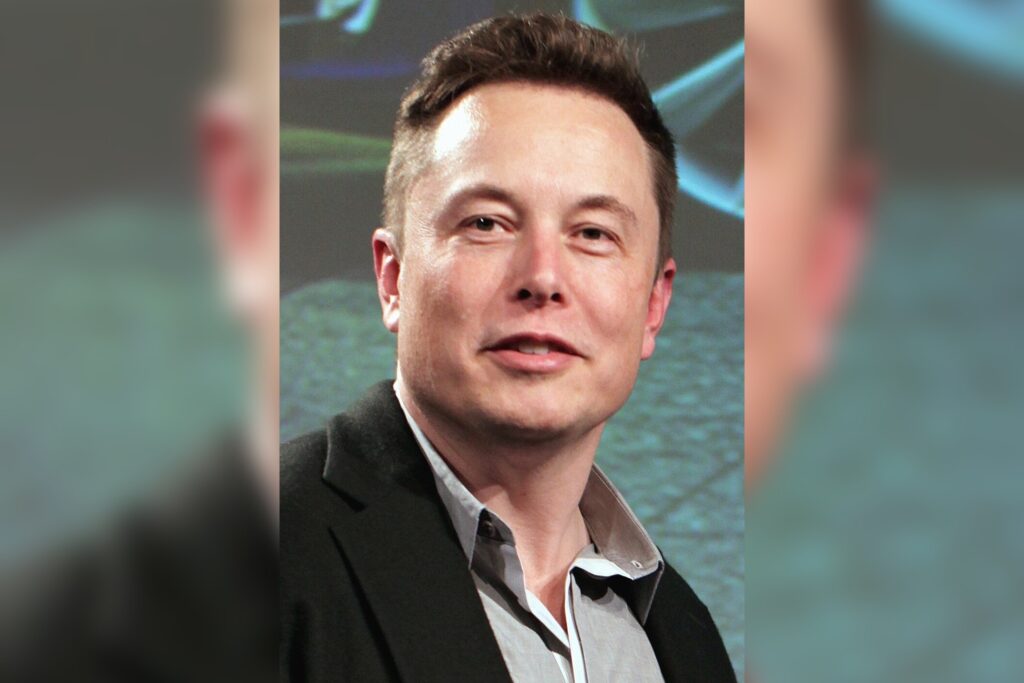
SAN FRANCISCO, July 14 — Elon Musk, the chief executive of Tesla, SpaceX, and the artificial intelligence company xAI, has built a career that now places him at the center of a global debate over the future of AI. Born June 28, 1971, in Pretoria, South Africa, Musk has become one of the wealthiest individuals on the planet, with Forbes estimating his net worth at $210 billion as of 2025. His wealth and influence give his warnings about artificial intelligence a particular weight.
Musk has publicly cautioned that AI could concentrate wealth further and displace jobs on a massive scale. For communities across Asia, where manufacturing and service sectors employ millions, the prospect of AI-driven job displacement is not an abstract concern.
The technology Musk both develops and warns against could reshape labor markets from Manila to Mumbai.
Regulation versus government seizure
Musk has called for regulation of AI development. In March 2023, he supported an open letter that urged a moratorium on training systems more powerful than GPT-4. Yet he draws a firm line at government seizure of AI industry assets.
In a 2024 interview, Musk argued that such policies would stifle innovation and drive AI companies overseas. That position carries implications for families across the region.
Many Asian nations are positioning themselves as hubs for AI research and development. If the United States were to pursue aggressive government intervention, the companies and jobs Musk warns could move overseas might find new homes in places like Singapore, South Korea, or India. For communities hoping to attract tech investment, the debate over regulation versus expropriation is not just policy talk — it shapes real decisions about where companies build and hire.
From OpenAI to xAI
Musk co-founded OpenAI in 2015 but left its board in 2018. The organization he helped create went on to develop GPT-4, the very system whose further training he later called to pause. In 2023, Musk founded xAI, his own artificial intelligence company.
That November, xAI launched the Grok chatbot. For people following the technology sector, Musk’s trajectory from OpenAI co-founder to competitor is a reminder of how quickly the AI landscape shifts.
Companies and governments across Asia are watching these developments closely, trying to determine which platforms and partnerships will define the next decade of computing.
What to watch next
As of mid-2026, Musk continues to lead three major companies simultaneously. His public positions on AI regulation, combined with his own investments in the technology, create a complex picture. The coming months will show whether the calls for a moratorium on powerful AI systems gain traction among policymakers, or whether the industry continues its rapid expansion without pause. For communities across Asia that are building their own AI sectors, the outcome of this debate will help determine where the next generation of technology jobs and investment flows.
Sources
{“@context”: “https://schema.org”, “@type”: “NewsArticle”, “headline”: “Elon Musk Warns Against Government Seizure of AI Wealth”, “description”: “SAN FRANCISCO, July 14 — Elon Musk, the chief executive of Tesla, SpaceX, and the artificial intelligence company xAI, has built a career that now…”, “datePublished”: “2026-07-14T09:30:00+00:00”, “author”: {“@type”: “Person”, “name”: “Merry Gel Sigui”}, “publisher”: {“@type”: “Organization”, “name”: “InfoPulse Today”, “url”: “https://newsfeed.2bme.xyz/”}, “citation”: [{“@type”: “CreativeWork”, “url”: “https://en.wikipedia.org/wiki/Elon_Musk”}]}




