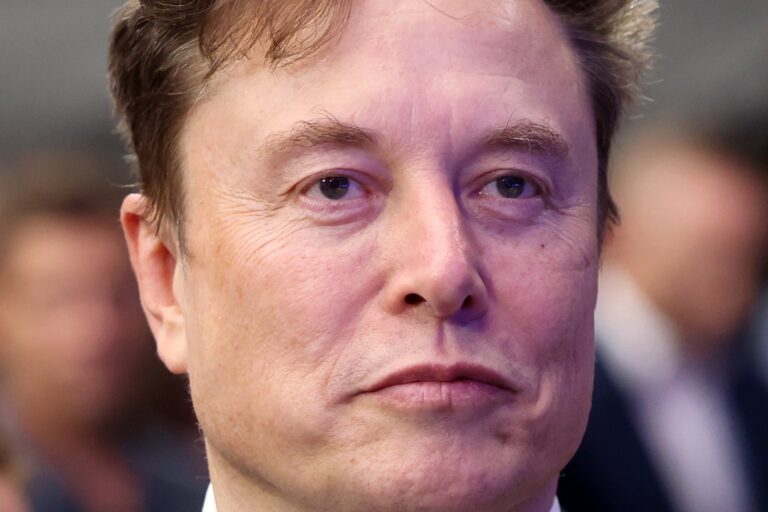
SAN FRANCISCO, November 22, 2026 — Elon Musk warned on X that the artificial intelligence industry could face a cash crunch of “hundreds of billions” in 2027 as delays in bringing massive compute clusters online stretch the gap between upfront spending and revenue. The xAI chief executive said the bottleneck is not demand but the physical difficulty of getting infrastructure “turned on, cooled and working reliably.”
The Shift Is Physical, Not Financial
Musk posted on Saturday, November 21, responding to AI researcher François Chollet, who argued that GPU spot prices are climbing and high-bandwidth memory capacity is booked through 2029. Chollet noted that frontier model training compute doubles roughly every five months and inference margins reach 70 to 85 percent. Musk did not dispute the demand signals. Instead, he flagged the execution lag: companies must pay for chips, data centers, power and cooling months before those clusters generate income. Even cumulative delays of a few months across the industry, he wrote, will require hundreds of billions in incremental working capital. “Where will that come from?” he asked.
The Numbers Behind the Squeeze
The scale of the buildout frames the risk. Goldman Sachs data shows AI capital expenditures neared $1 trillion in 2026, backed by nearly $600 billion in global AI-related debt issuance. The International Energy Agency reported that capital expenditure by five major technology companies exceeded $400 billion in 2025 and is expected to rise another 75 percent in 2026. IDC put global AI infrastructure spending at $121.4 billion in the second quarter alone, a 53 percent year-over-year jump, and raised its full-year forecast to $521 billion.
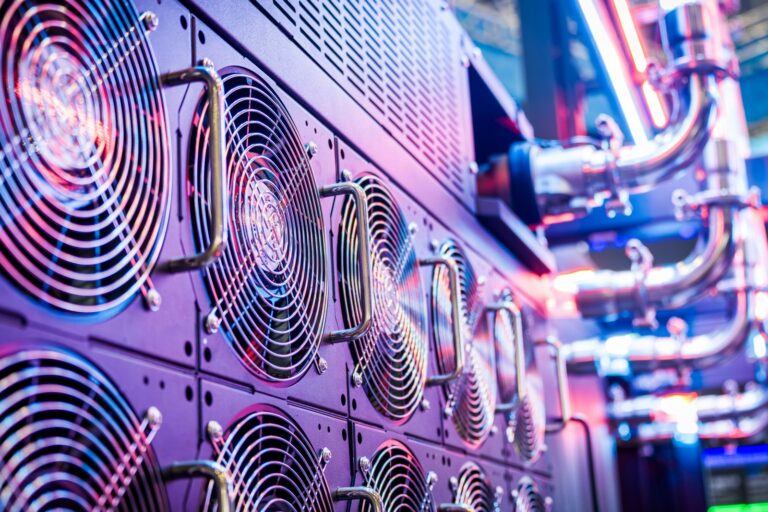
Power and cooling are the hard constraints. The IEA said specialized AI data center capacity more than tripled in 18 months. S&P Global reported that power shortages, grid-connection delays and local opposition are complicating expansion. U.S. and Canadian net new data center IT capacity is projected to reach around 20 gigawatts in 2027, up from roughly 8 gigawatts in 2026. Musk has previously estimated a global AI power shortfall of at least 15 gigawatts by 2027.
SpaceX Shows What Credit-Dependent Looks Like
The financial structure of the buildout is already visible in credit markets. J.P. Morgan credit default swap data puts SpaceX at roughly 275 basis points alongside Oracle, versus about 80 for Microsoft, Alphabet and Amazon. Insuring SpaceX debt costs more than three times as much as insuring the hyperscalers’. This week SpaceX sold $32 billion of debt backed by Nvidia chips; the largest tranche, $25.2 billion, priced at 8.259 percent against a U.S. high-grade average of 5.95 percent, according to Bloomberg index data.
Analysts tracked by TIKR expect SpaceX free cash flow to be negative $146 billion in 2027, the year the company plans a 10-gigawatt buildout. SpaceX held $89.9 billion in cash and marketable securities at September 30 and guided to $35 billion to $40 billion of capex in the fourth quarter alone. CFO Bret Johnsen said much of the 2027 build would be funded from internal cash flows, but the analyst consensus shows nearly $270 billion of cumulative negative free cash flow from 2026 through 2028.
Neoclouds in the Crosshairs
Musk has separately warned that more than 200 “neocloud” companies could face consolidation or failure as credit tightens. Unlike the hyperscalers, these specialized providers lack diversified revenue to absorb multi-month deployment lags. The debt market is rapidly closing to operators without substantial revenue beyond data centers, Musk disclosed in the same exchange. Watch this space: the trend underneath is a race between physical commissioning and the cost of capital.
Sources
- Going to be nuts! Elon Musk warns of massive AI cash crunch in 2027, asks ‘Where will that money come from?’ | Company Business News
- Musk Warns AI’s “Cash Shortage Is Also Going to Be Nuts Next Year.” Credit Markets Put SpaceX Beside Oracle
- Elon Musk Warns AI Infrastructure Boom Could Trigger Hundreds of Billions in Cash Crunch – Lapaas Voice
- Musk Warns: AI Industry Could Face Hundreds of Billions in Working Capital Shortfall Next Year — BigGo Finance
- Elon Musk warns AI industry faces a massive cash crunch in 2027 over compute delays. Why? – BusinessToday
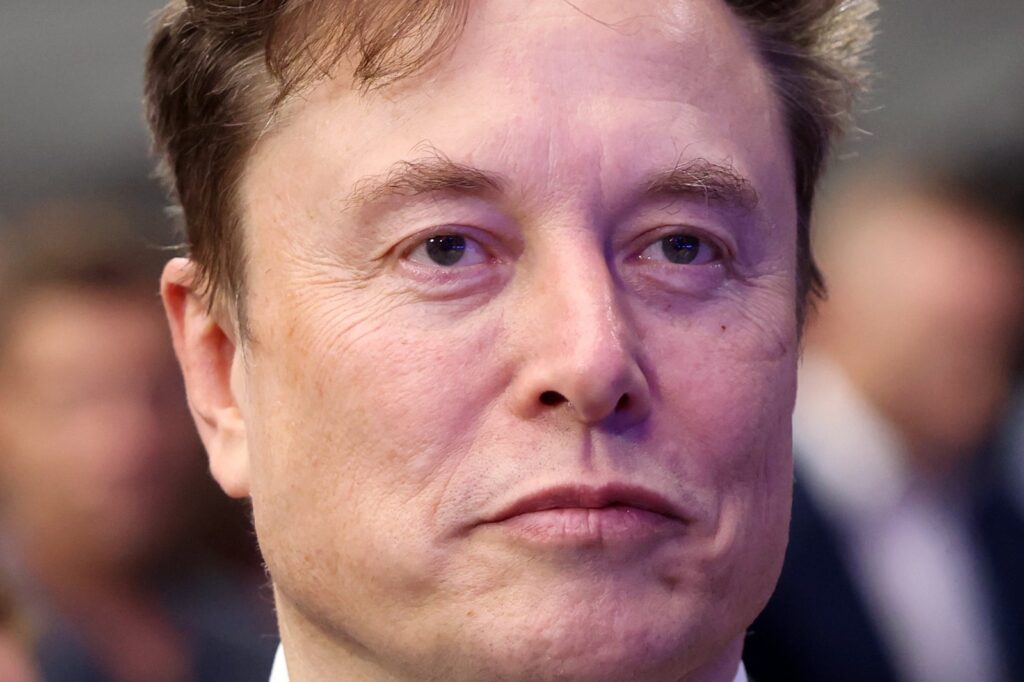
Photo: Gage Skidmore (CC BY-SA 4.0)