
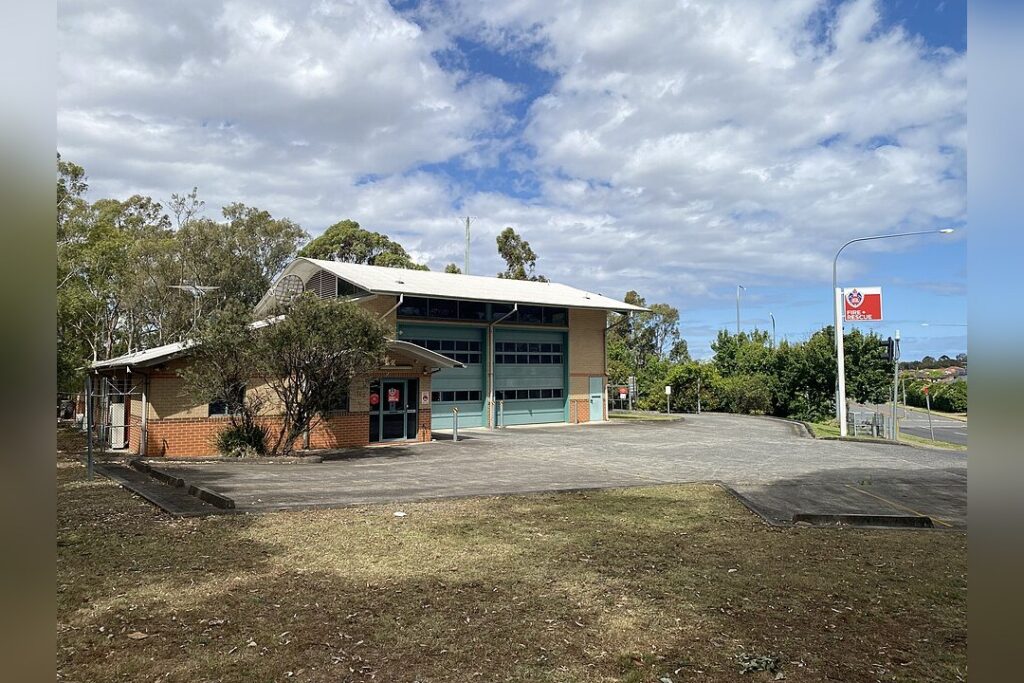
Fire and Rescue NSW is now working to improve the artificial intelligence detection system that found two lost hikers in Kosciuszko National Park last week, aiming to adapt it for different emergency scenarios. The successful rescue marks the first time the AI-powered drone has been used to locate a missing person in the field. The technology, still in its early stages for search and rescue operations, proved effective in rugged terrain where traditional ground searches can take days.
For search and rescue teams across the region, this changes the calculation. A drone equipped with artificial intelligence can scan vast areas from above, identifying human shapes that ground crews might miss in dense bushland or rocky slopes.
Fire and Rescue NSW confirmed this was the first successful deployment of the AI detection system in a missing person operation. The agency will now focus on refining the technology for broader use. That means testing the system in different environments — not just alpine national parks but also bushland, remote areas, and possibly urban settings where people might become lost or trapped.
The implications stretch well beyond Kosciuszko. From the highlands of Luzon in the Philippines to the forests of Sabah in Malaysia, from the mountains of Nepal to the national parks of Japan, the same technology could one day save lives.
For ordinary people who hike, trek, and explore, this represents a new layer of safety. For search and rescue teams, it is a tool that could cut hours or even days off a search. Two hikers went into the national park and could not find their way out.
The drone, powered by artificial intelligence, searched from above and found them. That is the simple version. But the ripple effects are what matter now.
The system was developed by Fire and Rescue NSW, and the agency is now gathering data from this rescue to improve the AI’s detection algorithms. The drone spotted the hikers in conditions that might have stymied human spotters — the AI can process visual information faster and without fatigue.
For families across the region, this is what it means when innovation meets real human need. A tool that can find a loved one in rugged, difficult terrain. The technology is still in its early stages, but this rescue proves it works when it matters most.
Closer to home, this could change how we respond to people lost in the mountains, bushland, and remote areas that many of us love to explore. What happened in Kosciuszko National Park is not just a technological milestone.
It is a story about people. Two hikers went into the national park and could not find their way out. The drone, powered by artificial intelligence, searched from above and found them.
Fire and Rescue NSW will now work to improve the technology to use it in different emergencies. The successful rescue in Kosciuszko National Park opens the door to wider applications. For communities across the region who know the wild beauty of these mountains, this rescue brings genuine relief and a glimpse of what is possible.
The AI detection system has proven its worth. Now the work begins to make it a standard tool for search and rescue teams everywhere.
{“@context”: “https://schema.org”, “@type”: “NewsArticle”, “headline”: “Fire and Rescue NSW to expand AI drone search technology after first rescue”, “description”: “Fire and Rescue NSW is now working to improve the artificial intelligence detection system that found two lost hikers in Kosciuszko National Park last week,…”, “datePublished”: “2026-06-26T12:38:00+00:00T09:30:00+00:00”, “author”: {“@type”: “Person”, “name”: “Ethan Smith”}, “publisher”: {“@type”: “Organization”, “name”: “InfoPulse Today”, “url”: “https://newsfeed.2bme.xyz/”}}




