
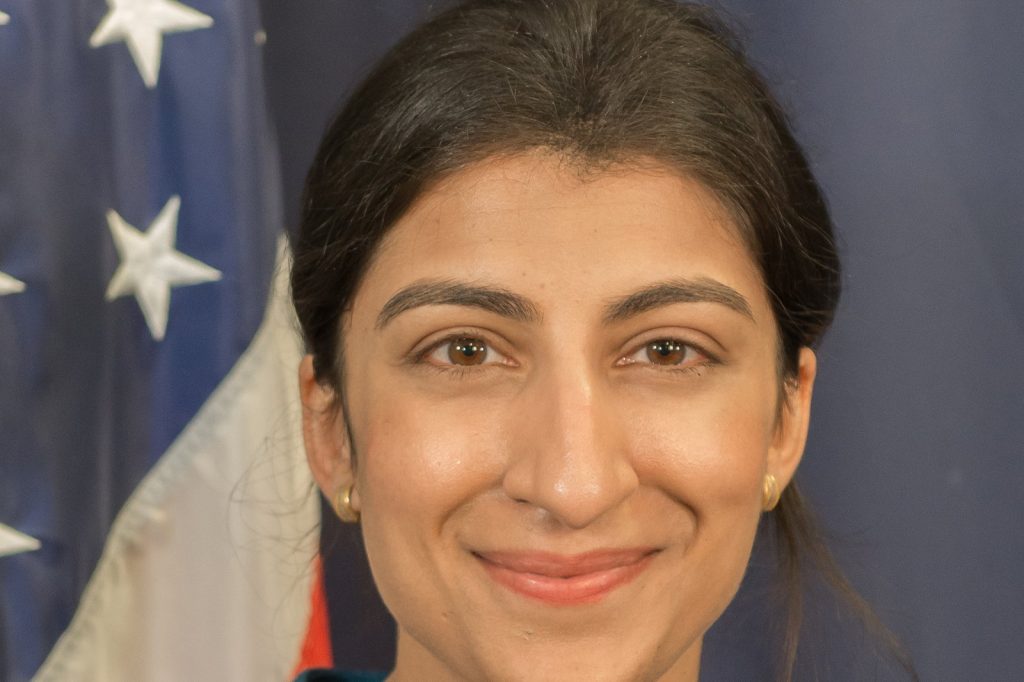
WASHINGTON, September 27 — The chair of the US Federal Trade Commission has suggested that developers of artificial intelligence systems should carry legal liability for what their AI agents do. The shift is subtle but it lands hard. Until now, the agency’s AI posture has been about claims — what companies say their systems can do.
The chair’s suggestion moves the conversation to conduct: what autonomous agents actually do when they transact, negotiate and act on a user’s behalf, and who answers when that goes wrong. The FTC is the independent US federal agency established in 1914 by the Federal Trade Commission Act, charged with protecting consumers and promoting competition.
Its core authorities include Section 5, which prohibits unfair or deceptive acts or practices in or affecting commerce, and Section 6, which authorizes investigations. The agency also enforces the Fair Credit Reporting Act, the Children’s Online Privacy Protection Act, the Gramm-Leach-Bliley Act, and the FTC’s own rule on government and business impersonation fraud.
What the chair actually said — and what hasn’t happened
Under Chair Lina M. Khan, confirmed by the US Senate in June 2021, the commission has pushed enforcement deep into digital markets, including the case against Amazon over enrollment and cancellation practices and the noncompete rulemaking. The commission is bipartisan by design, with five commissioners and no more than three from one party.
No formal FTC action, proposed rule or enforcement case has been announced in connection with the chair’s suggestion. That matters.
A suggestion from the chair is a signal about direction, not a docket entry. The open question is whether existing consumer-protection law already reaches harms caused by autonomous AI agents, or whether Congress needs to write something new. Legal scholars have debated whether Section 5’s prohibition on unfair or deceptive practices can cover algorithmic decision-making, and whether the FTC’s remedial powers — cease-and-desist orders and civil penalties for rule violations — are adequate for agents that act at machine speed.
The patchwork underneath
The US has no comprehensive federal AI statute. What applies instead is a patchwork: the White House’s 2023 executive order on safe, secure, and trustworthy AI, the 2022 Blueprint for an AI Bill of Rights, and state laws such as Colorado’s 2024 AI Act. Watch the five commissioners and the Bureau of Consumer Protection.
If the chair’s suggestion hardens into policy, the liability question stops being academic for every team shipping an agent that can spend money or sign on a user’s behalf.




