
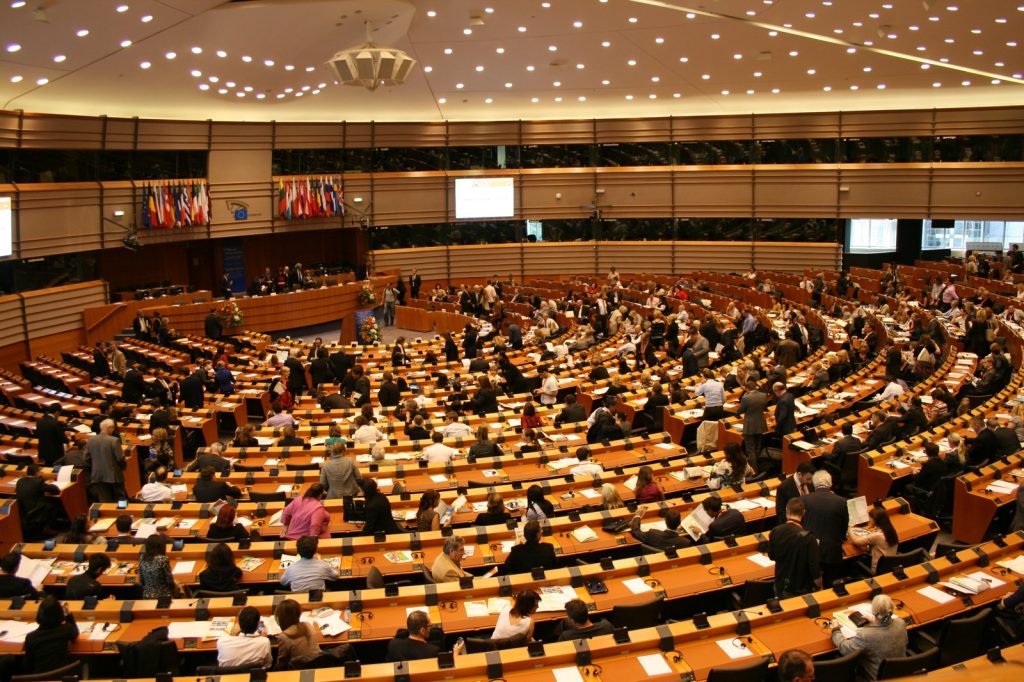
BRUSSELS, July 18 — The European Union’s Artificial Intelligence Act, agreed in December 2023 after being proposed in April 2021, now stands as the world’s first comprehensive legal framework for artificial intelligence, officials confirmed. The legislation categorises AI applications by risk level — unacceptable, high, limited, and minimal — creating a tiered system that determines the degree of regulatory oversight. This approach, according to the record, marks a milestone in the global effort to govern a rapidly evolving technology.
The act imposes the strictest controls on systems deemed to pose an unacceptable risk, effectively banning them. High-risk applications, such as those used in critical infrastructure or law enforcement, face mandatory conformity assessments and transparency requirements.
Limited-risk systems must comply with lighter disclosure obligations, while minimal-risk applications are largely exempt. The structure reflects a deliberate attempt to balance innovation with public safety. Officials have not specified how quickly the framework will be enforced across all member states.
Global Divergence
The EU’s move comes as major powers pursue their own regulatory paths, creating a patchwork of rules rather than a unified global standard. The United Nations,
The lack of a single global standard means multinational companies developing or deploying AI systems must navigate multiple, sometimes conflicting, requirements across different regions. This regulatory fragmentation can increase compliance costs and create uncertainty for businesses, while potentially slowing the adoption of beneficial AI applications.
The situation echoes earlier challenges in digital governance, where data privacy and cybersecurity rules have varied significantly from one jurisdiction to another, though the pace of AI development has added new urgency to calls for coordination. Other major economies have taken distinct approaches.
The United States has favored a sectoral, voluntary framework, relying on existing agencies and non-binding guidance rather than a comprehensive law. China has introduced its own set of regulations targeting specific areas such as algorithmic recommendations and deep synthesis, emphasizing state oversight and social stability. These differing philosophies reflect deeper disagreements over how to balance innovation, national security, and individual rights, making a unified international treaty difficult to achieve despite ongoing discussions at forums like the United Nations.
The significance of the EU’s move extends beyond its borders. Because the regulation applies to any organization offering AI systems in the European market, it effectively sets a global benchmark that many companies and governments may choose to follow.
This so-called “Brussels effect” has been observed in previous regulatory domains, such as data protection, where the EU’s General Data Protection Regulation influenced privacy laws worldwide. Whether the AI Act achieves similar influence will depend on enforcement, international cooperation, and the evolution of the technology itself.
Sources
{“@context”: “https://schema.org”, “@type”: “NewsArticle”, “headline”: “Global AI Governance: Existing Frameworks and Gaps”, “description”: “BRUSSELS, July 18 — The European Union’s Artificial Intelligence Act, agreed in December 2023 after being proposed in April 2021, now stands as the world’s…”, “datePublished”: “2026-07-18T09:30:00+00:00”, “author”: {“@type”: “Person”, “name”: “Dmitry Volkov”}, “publisher”: {“@type”: “Organization”, “name”: “InfoPulse Today”, “url”: “https://newsfeed.infopulsetoday.com/”}, “citation”: [{“@type”: “CreativeWork”, “url”: “https://en.wikipedia.org/wiki/European_Union_Artificial_Intelligence_Act”}]}




