
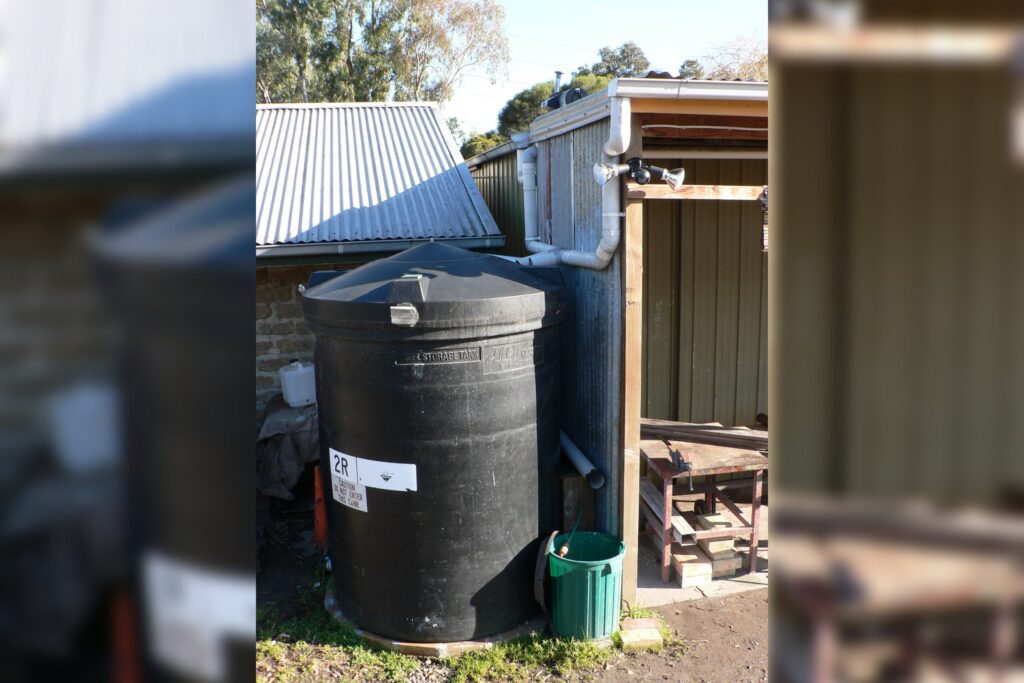
Washington, D.C., October 1 The story begins with a quiet shift in how American households think about water — not as an endless utility, but as a resource to be caught, stored, and reused. At its heart, rainwater harvesting is no longer just a niche practice for off-grid homesteads; it is becoming a practical response to growing water stress across the United States. What unfolded over the past decade reflects both grassroots adoption and policy adaptation.
According to the U.S. Environmental Protection Agency, outdoor water use accounts for nearly 30% of residential consumption nationally, rising to 60% in arid regions like the Southwest. This imbalance has driven interest in systems that capture precipitation from rooftops for irrigation, toilet flushing, and laundry — uses that do not require potable water.
A typical 1,000-square-foot roof can yield about 600 gallons of water from one inch of rainfall, making even modest systems valuable in water-stressed areas. Installation costs for a basic residential system range from $1,500 to $3,500, depending on tank size, filtration, and pump requirements, while more advanced setups with UV purification for indoor use can exceed $10,000. Financial incentives exist in several states: Arizona offers a tax credit of up to $1,000 for rainwater harvesting installations, and Texas provides a sales tax exemption on equipment.
Legal considerations vary by jurisdiction. While rainwater harvesting is encouraged in many western states, some eastern states impose restrictions based on riparian water rights doctrines, though outright bans are rare.
The American Rainwater Catchment Systems Association reports that over 50,000 residential systems were installed in the U.S. between 2010 and 2020, with growth accelerating during drought periods. Maintenance involves quarterly gutter cleaning, annual tank inspection, and periodic filter replacement to prevent contamination and mosquito breeding. Experts recommend first-flush diverters to discard initial runoff containing debris and pollutants, and food-grade polyethylene or metal tanks to ensure water quality.
Systems must comply with local plumbing codes, often requiring backflow prevention devices to protect potable water supplies. In 2022, the International Residential Code updated Appendix O to provide standardized guidelines for non-potable rainwater use in one- and two-family dwellings, adopted by jurisdictions in California, Colorado, and New Mexico. As climate models project increased frequency of droughts across the U.S. Southwest and Southern Plains through 2050, rainwater harvesting is increasingly viewed as a resilient, decentralized water strategy that complements conservation efforts and reduces stormwater runoff.
Looking ahead, policymakers and homeowners alike will watch whether state-level incentives expand and whether local codes continue to evolve to support broader adoption. For those involved — from DIY installers to municipal planners — the stakes are clear: every gallon harvested is one less drawn from strained aquifers or energy-intensive treatment plants.




