
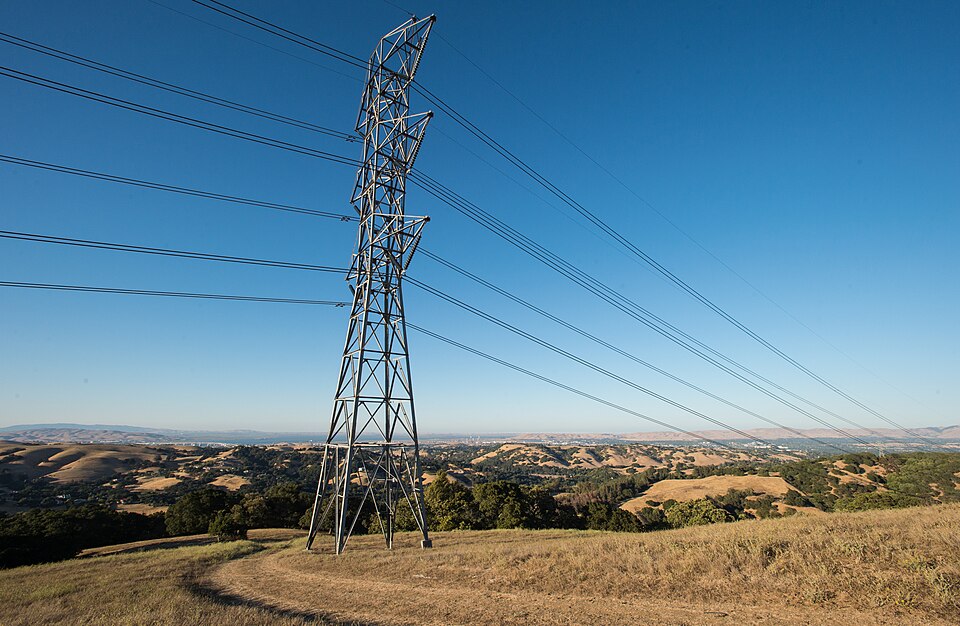
WASHINGTON, September 17 — The House of Representatives has passed legislation requiring operators of large artificial intelligence data centers to pay for upgrades to the electric power grid, sending the measure to the Senate where its prospects remain uncertain. The bill establishes a cost-allocation framework allowing utilities and grid operators serving these facilities to recover the expense of transmission and distribution upgrades from the data center operators themselves, rather than spreading those costs across all ratepayers.
The specifics — including the threshold for which data centers are covered and the mechanism for calculating payments — were not detailed in the source material.
The Demand Curve Behind the Bill
Data centers consumed about 4% of total U.S. electricity in 2023, according to the Department of Energy’s Lawrence Berkeley National Laboratory. That figure is projected to rise to between 6.7% and 12% by 2028. The bill reflects a broader policy debate over who should bear the cost of integrating large new loads into the grid, a debate that has intensified as tech companies race to build AI infrastructure across the United States.
The vote tally was not specified. The bill’s sponsor was not named, nor was the date of passage.
No companies or industry groups have been identified as taking a position on the legislation, and the White House has not stated a view. It remains unclear whether the bill would apply retroactively to existing data centers or only to new facilities, whether it would preempt state or local regulations, or whether it includes provisions for grid reliability, renewable energy integration, or consumer protections. The size threshold for covered data centers was not specified, and the source did not state whether the bill has bipartisan support or opposition.
The measure now moves to the Senate. No timeline for Senate consideration has been provided.
What to watch next is whether the Senate takes up the measure at all, and whether the cost-allocation framework survives intact if it does.




