
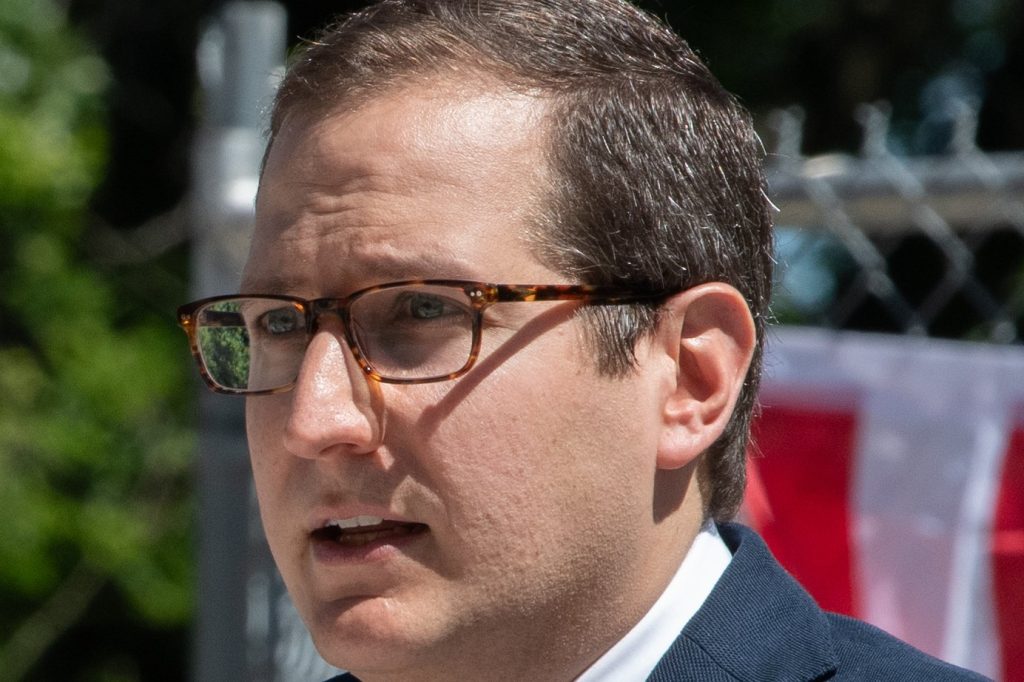
The money poured in. Attack ads blanketed Manhattan’s Upper East Side, Upper West Side, and Midtown. And when the votes were counted in New York’s 12th Congressional District primary, Micah Lasher had won — a narrow victory over state Rep. Alex Bores.
The race to replace longtime Democratic Rep. Jerry Nadler is over. The fight over artificial intelligence regulation is not.
Lasher, a strong advocate for stricter AI rules, beat Bores, a tech expert who campaigned heavily on safety concerns. The margin was close. Bores still pulled a significant share of the vote.
But the outcome hands a win to one faction of the AI industry and a loss to another. That is the real story here — not just who won, but what the spending reveals about the stakes.
This primary became the second priciest House race ever. A staggering amount of money went into advertising. According to AdImpact Politics, a considerable sum was spent supporting Bores.
He also faced the largest share of negative ads targeting him. The source of that opposition is telling. The Silicon Valley-backed super PAC Leading the Future spent a substantial amount of money opposing Bores’ nomination.
The group’s goal: keep tech-skeptical lawmakers out of Washington. Its funders include OpenAI President Greg Brockman and venture capitalists Marc Andreessen and Ben Horowitz.
They are not neutral observers. They are players with skin in the game. What is at risk?
Concrete policy. AI regulation is not abstract in Washington.
Lawmakers are debating rules on liability, transparency, and safety testing. A tech-skeptical representative in a safe Democratic seat could push for strict guardrails. A tech-friendly one could slow them down.
Lasher’s win tilts the balance, at least for this district. But the spending numbers tell a blunt story. A super PAC bankrolled by industry giants spent heavily to defeat a candidate who talked about safety.
That is not a coincidence. That is a strategy.
The amount of money spent by such groups can have a significant impact on election outcomes. In this race, it almost certainly did. Bores campaigned on safety.
He had tech expertise. He still lost.
The money against him was overwhelming. The narrow margin suggests that without that spending, the result could have been different. That is the practical consequence of dark money in primaries — it shifts outcomes, quietly, expensively.
This race is a proxy battle. The AI industry is not monolithic. There are competing factions.
Some want regulation. Some want none.
Some want rules that favor their own business models. The 12th District primary became a testing ground for which faction has more cash to throw at elections. The answer is clear: the faction backed by Brockman, Andreessen, and Horowitz.
For voters in Manhattan, the immediate effect is a new representative. For the rest of the country, the effect is a signal.
Money can buy influence in AI policy. It can shape who gets to write the rules. The primary is over.
The fight over what happens next in Washington is just beginning.




