
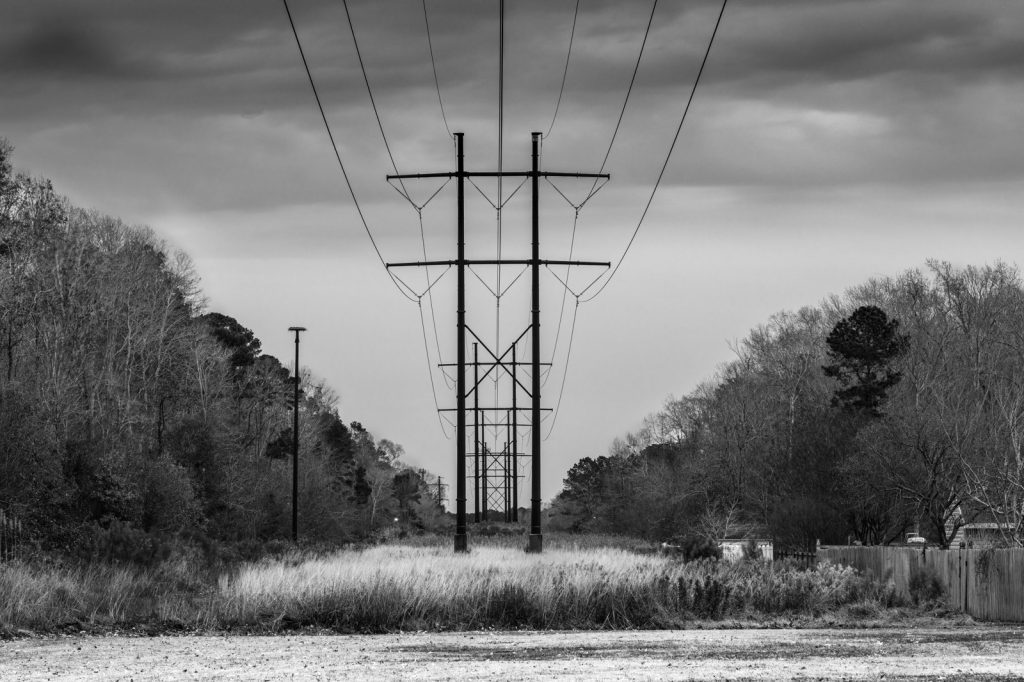
Apply for a new AI factory in North Dakota, and the first thing you need isn’t a server rack or a cooling system. It’s a power line. Montana-Dakota Utilities Co. has agreed to supply electricity to Applied Digital for a proposed artificial intelligence factory.
The deal, signed June 22, is the kind of behind-the-scenes arrangement that makes a headline-grabbing project real. Without it, the factory stays a proposal.
With it, the factory has a chance to draw power from the regional grid — and that is not a small thing in a state where winter storms and summer heat already test capacity. The agreement itself is straightforward: a utility subsidiary of MDU Resources Group committing to serve a customer. But the stakes are larger than the contract language.
Applied Digital is trying to plant a flag in the region at a moment when AI investment is surging. Data centers that train and run large language models consume enormous amounts of electricity — far more than a traditional office building or even a small manufacturing plant.
A single facility can draw tens of megawatts around the clock. That kind of load reshapes what a utility has to plan for, and what ratepayers ultimately pay. Montana-Dakota Utilities is not a fly-by-night operator.
It is a regulated utility with obligations to existing customers. Its decision to sign on signals a judgment that this project is viable — that the factory will actually be built, that the power demand will materialize, and that the revenue will cover the costs. That is the kind of bet a utility does not make lightly.
Regulators watch. Consumers pay the bills.
For the region, the potential payoff is concrete. A working AI factory means construction jobs, then operational jobs. It means demand for local subcontractors, for concrete and steel, for electricians and network technicians.
It means tax revenue for a county or a city. The report notes that the US administration and local authorities are monitoring the project, and that is no surprise.
Economic development of this scale does not happen quietly. But there are real risks. The factory will consume power that could otherwise go to homes, farms, and existing businesses.
If the AI industry cools — if investment pulls back or the technology shifts — the utility could be left with stranded costs. Ratepayers could absorb the hit. That is the hard edge of these agreements.
They are not risk-free. The report cautions that a balanced perspective is needed.
That is fair. The AI boom is real. Applied Digital is not a phantom.
But the history of industrial development is littered with projects that promised jobs and delivered empty buildings. The difference here is the utility commitment.
Montana-Dakota Utilities has put its name on the line. That is a tangible vote of confidence. What happens next will be measured in permits, construction schedules, and kilowatt-hours.
The factory will need more than a power agreement to open its doors. It will need local zoning approval, environmental reviews, and a workforce that can build and run it. None of that is guaranteed.
But the power deal is the first domino. It makes the rest of the chain possible.
For consumers, the message is mixed. The factory could bring innovation and growth. It could also strain the grid and raise rates.
The report says patients — or consumers — should be aware of potential benefits. That is one side.
The other side is cost and reliability. A utility that takes on a big new load has to manage that load responsibly. Ratepayers will be watching.
{“@context”: “https://schema.org”, “@type”: “NewsArticle”, “headline”: “MDU power agreement supplies electricity for proposed North Dakota AI factory”, “description”: “Apply for a new AI factory in North Dakota, and the first thing you need isn’t a server rack or a cooling system. It’s a…”, “datePublished”: “2026-06-22T12:42:00+00:00T09:30:00+00:00”, “author”: {“@type”: “Person”, “name”: “James Roberto”}, “publisher”: {“@type”: “Organization”, “name”: “InfoPulse Today”, “url”: “https://newsfeed.infopulsetoday.com/”}}




