
OAKLAND, July 19 — Twenty-six former Meta employees have filed a class-action lawsuit in the United States District Court for the Northern District of California, alleging that the company’s automated ranking system wrongfully penalized workers who took parental or sick leave. The bottom line: the case tests whether an algorithm can legally decide who gets laid off when it has no mechanism to recognize time off protected by federal and state law. The complaint stems from Meta’s May layoff wave.
The plaintiffs argue that the company’s internal ranking software analyzed metrics including work productivity and code changes but failed to adjust for periods when employees were absent on legally protected leave. They assert that this practice violated federal and state employment statutes.
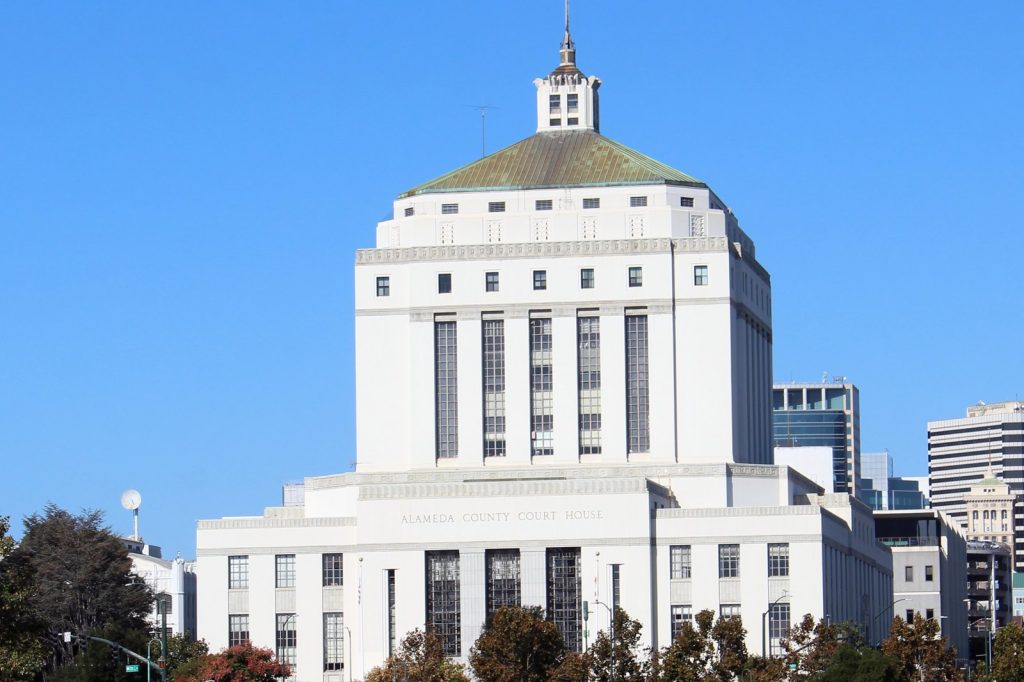
The suit was filed in the Oakland courthouse, the Northern District’s designated venue for civil matters. The employees are proceeding as a class, meaning any Meta workers similarly affected during the same layoff round could join the action. The court has not yet certified the class.
The Automated Ranking System
Meta’s system scored employees on quantitative output — lines of code, project completions, responsiveness metrics. According to the suit, the software did not distinguish between a worker who underperformed and one who was out on parental leave, medical leave, or other protected absence. The plaintiffs contend that this effectively turned a legally guaranteed benefit — the right to take leave without penalty — into a termination risk.
Investors will note that the system in question was designed to speed up workforce reductions. Meta has publicly emphasized efficiency gains from automation.
But efficiency, the plaintiffs argue, must yield to legal protections. The figure that matters here is not a dollar amount but a principle: whether a machine can override human employment law by design. The complaint does not specify how many total employees Meta cut in May, nor the exact number of workers on leave who were affected.
It alleges, however, that the system’s design made such outcomes predictable and systemic.
Legal Questions
Federal law under the Family and Medical Leave Act and California’s parallel statutes prohibit retaliation against workers who take protected leave. The question before the court is whether an algorithm that has no awareness of that leave — and thus no ability to exclude it from performance calculations — can nevertheless be used as the basis for a layoff decision. The plaintiffs argue that the company cannot outsource compliance to software that lacks the relevant data inputs.
The defense, if Meta follows typical patterns, will likely argue that the system was a neutral tool and that final layoff decisions included human review. The source material does not indicate what Meta’s specific defense will be.
What to Watch
The court will now weigh whether AI-driven layoff decisions require human oversight to account for legally protected leaves. The ruling could set a precedent for how other technology companies design and deploy workforce automation. If the court finds that Meta’s system violated employment law, it may force companies across Silicon Valley to rebuild their ranking tools with legal carve-outs for protected absences.
If it does not, the case could still pressure employers to add those safeguards voluntarily. No hearing date has been set.
The case is before the Northern District of California, a jurisdiction that has handled several high-profile tech employment disputes. The outcome will be closely watched by human-resources leaders, employment attorneys, and any worker whose paycheck depends on a productivity score.
Sources
{“@context”: “https://schema.org”, “@type”: “NewsArticle”, “headline”: “Meta Sued in Oakland Court Over AI Layoff Tool Allegedly Violating Protections”, “description”: “OAKLAND, July 19 — Twenty-six former Meta employees have filed a class-action lawsuit in the United States District Court for the Northern District of California,…”, “datePublished”: “2026-07-19T09:30:00+00:00”, “author”: {“@type”: “Person”, “name”: “Ava Anderson”}, “publisher”: {“@type”: “Organization”, “name”: “InfoPulse Today”, “url”: “https://newsfeed.infopulsetoday.com/”}, “citation”: [{“@type”: “CreativeWork”, “url”: “https://en.wikipedia.org/wiki/United_States_District_Court_for_the_Northern_District_of_California”}]}




