
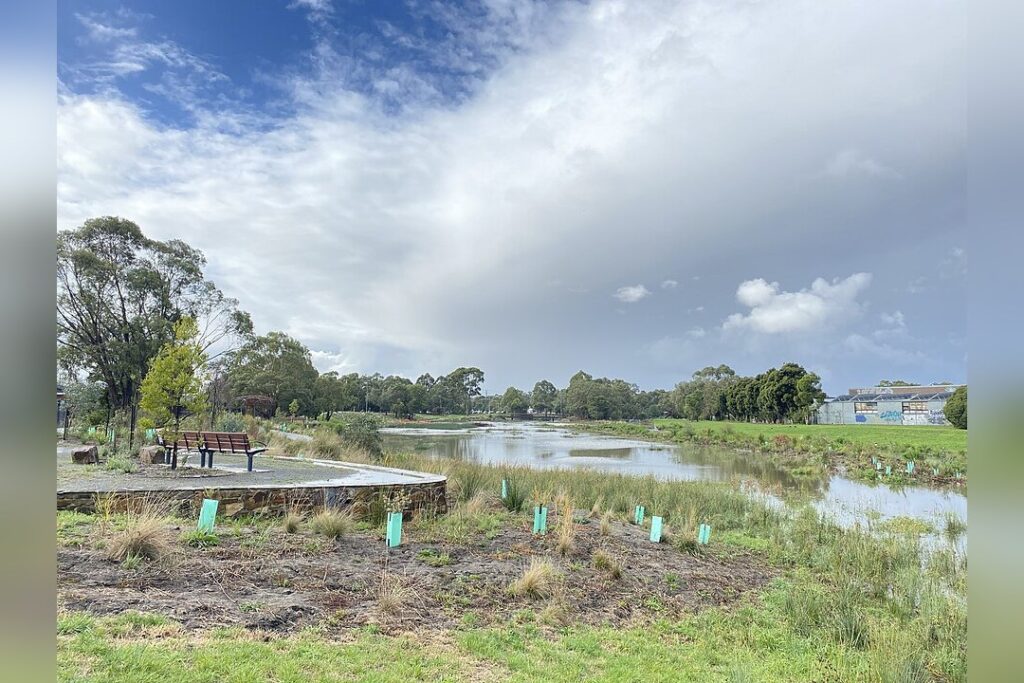
Washington, October 4 – Microsoft is integrating over 20 data center sites across the United States with wetlands and native plant gardens, a move aimed at reducing visual impact and supporting local biodiversity. Dubbed ‘biomimicry’, the initiative involves restoring native vegetation, constructing stormwater management wetlands, and using soil and planting designs that mirror regional ecosystems, particularly in areas where data centers are sited near rural or ecologically sensitive zones. The landscaping effort, however, has drawn criticism from environmental advocacy groups and local community representatives who view it as mere ‘lipstick on a pig’. They argue that the landscaping does little to mitigate the substantial energy and water consumption of the data centers, or the underlying reliance on fossil fuel power. This criticism is intensified by Microsoft’s 20-year power purchase agreement with a natural gas-fired power plant, signed in 2022, which guarantees long-term demand for gas-generated power despite the company’s public commitments to carbon neutrality by 2030 and renewable energy matching. The gas power deal, reported by energy industry analysts, involves the procurement of hundreds of megawatts of electricity annually from a facility that emits carbon dioxide and other pollutants. This raises questions about the consistency between Microsoft’s sustainability branding and its operational energy sources. Microsoft maintains that the ecological landscaping is part of its broader sustainable sites initiative, which includes water conservation, habitat restoration, and LEED certification goals for its global data center portfolio. As part of this effort, over 150 acres of native habitat have been restored or created across Microsoft’s data center campuses, with specific projects underway in Virginia, Iowa, and Wisconsin. The wetlands are designed to manage runoff from impervious surfaces, reduce erosion, and provide habitat for pollinators and native species, using plant lists developed in collaboration with local conservation districts and native plant societies. While Microsoft has invested in renewable energy through power purchase agreements for wind and solar, the 20-year gas contract remains a point of contention for critics who argue it locks in fossil fuel infrastructure for two decades, potentially undermining near-term emissions reductions. The company has not disclosed the financial value of the gas power deal or the landscaping initiative, and no independent third-party audit of the ecological outcomes of the biomimicry efforts has been publicly released as of the latest available reports. The strategy reflects a growing trend among tech firms to use green infrastructure to address community concerns about industrial expansion. However, experts caution that such measures must be paired with verifiable reductions in resource consumption and emissions to avoid perceptions of greenwashing.
Looking Ahead
The debate over Microsoft’s sustainability initiatives and energy sources will continue to unfold, with the company’s actions set to influence the tech industry’s broader approach to environmental responsibility. As the industry grapples with the complexities of energy consumption, renewable energy procurement, and emissions reduction, the pressure to balance technological progress with environmental stewardship is likely to remain a key challenge.




