
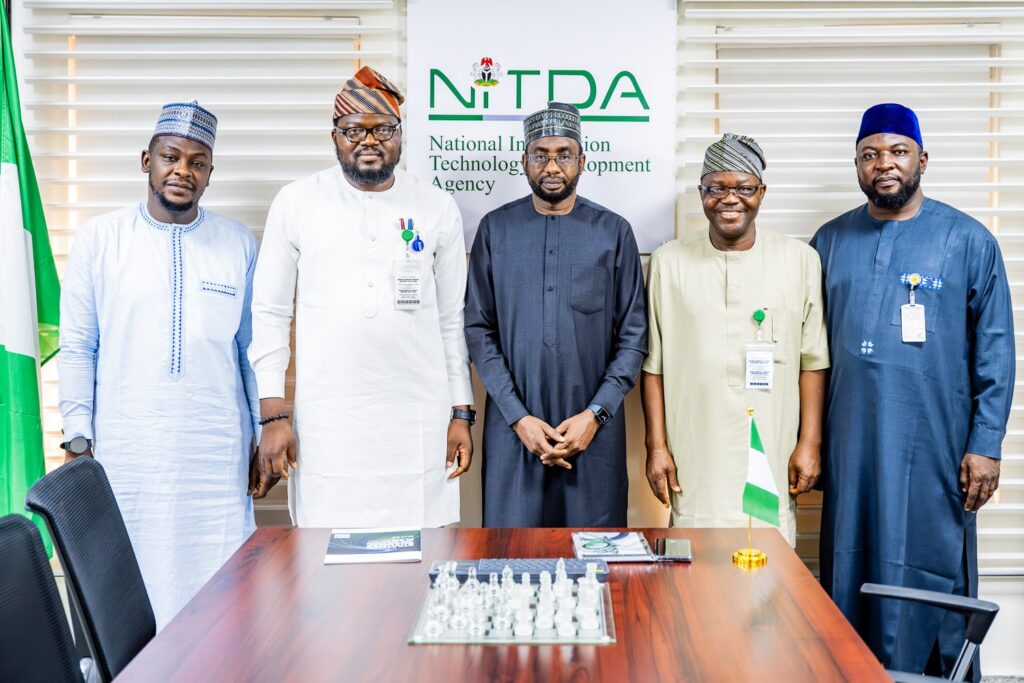
Nigeria’s Digital Regulators Weigh In on AI Reputation Findings
LAGOS — Nigeria’s National Information Technology Development Agency has taken note of the Burson report released this week. The agency’s digital economy unit confirmed it is reviewing the 55,000 believability scores that underpin the research. Officials said the findings align with internal assessments of how AI platforms treat Nigerian corporate data.
The report’s central claim — that visibility in AI-generated search results does not equal trust — has prompted what one NITDA official described as “active discussions” with brand managers at several Lagos-based multinationals. The agency declined to name the companies.
It said those conversations center on the eight levers of Burson’s Reputation Capital Framework, specifically Governance and Citizenship, where Nigerian firms scored lowest in believability. Burson’s data runs across seven major AI answer platforms. It measured how audiences perceive information produced by those systems.
The research found that a brand can appear prominently in AI responses yet still fail to convince people. That gap, the report says, is most acute in markets with young, mobile-first populations.
Nigeria fits that description exactly. The country had 109 million internet users by the end of 2025. Internet penetration sat at 45.5 percent.
Social media user identities hit 47.8 million. The median age is 18.1. Most people live in cities.
“For Nigerian companies, this means corporate reputation can increasingly be shaped by what AI tools say about a brand,” the report states. The Nigerian Communications Commission has not issued a formal statement.
But a senior policy adviser told InfoPulse Today the commission is monitoring how AI-generated search results affect consumer protection. The adviser spoke on condition of anonymity because the commission has not authorized public comment. He said the NCC is particularly interested in the report’s implication that believability, not just visibility, is the metric that matters.
Industry bodies are reacting too. The Lagos Chamber of Commerce and Industry said it will host a workshop next month on digital footprint management.
The chamber’s president called the Burson findings a “wake-up call” for Nigerian brands that have focused on search engine optimization without considering how AI platforms parse their information. He did not name specific members. Burson’s research is built on more than 55,000 believability scores across 85 companies.
It examined how AI-generated responses influence perceptions across eight levers: Innovation, Creativity, Workplace, Products, Financial Performance, Governance, Citizenship, and Leader. The report is called “The Credibility Paradox.” One Lagos-based public relations firm has already begun auditing client content for AI readability. The firm’s managing director said the audit checks whether a brand’s digital footprint contains the kind of structured, verifiable data that AI platforms treat as credible.
She said the Burson data confirms that vague or promotional language gets penalized in AI summaries. The report arrives as digital behaviour in Nigeria expands quickly across individuals, businesses, institutions, and public figures.
The demographic shift is fast. More than half the population is under 20. They get information from AI platforms, not from traditional media.
That changes what reputation means. NITDA said it expects to publish guidance on AI-generated brand information within three months.
The agency wants Nigerian companies to treat their digital footprint as a “critical business asset,” the report’s own phrasing. Whether that guidance will carry enforcement teeth is unclear. The NCC adviser said any regulation would likely focus on accuracy, not on content.
The Burson report does not name any Nigerian company specifically. But it says the findings carry particular weight for the country. With 109 million internet users and a median age of 18.1, the market is increasingly shaped by fast-moving, mobile-first information discovery and evaluation.
The data suggests that what AI says about a brand matters more than what the brand says about itself.
{“@context”: “https://schema.org”, “@type”: “NewsArticle”, “headline”: “Nigeria’s IT Agency Reviews AI Report on Corporate Brand Reputation”, “description”: “Nigeria’s Digital Regulators Weigh In on AI Reputation Findings LAGOS — Nigeria’s National Information Technology Development Agency has taken note of the Burson report released…”, “datePublished”: “2026-07-01T07:23:00+00:00T09:30:00+00:00”, “author”: {“@type”: “Person”, “name”: “Merry Gel Sigui”}, “publisher”: {“@type”: “Organization”, “name”: “InfoPulse Today”, “url”: “https://newsfeed.infopulsetoday.com/”}}




