
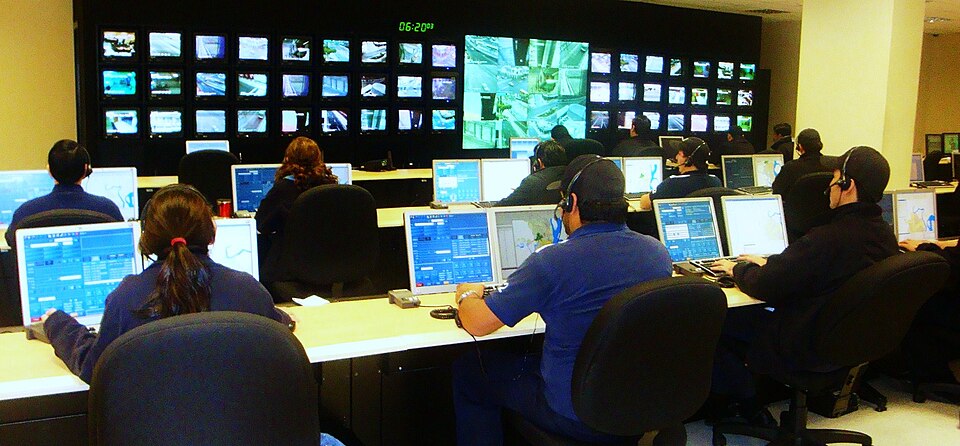
NORFOLK, October 5 — The Norfolk Police Department’s E911 Division has launched an AI-powered service to handle select non-emergency calls and informational inquiries, using an Amazon Web Services system designed to provide faster answers to frequently asked questions without requiring residents to wait on hold for a live agent. The system is expected to divert roughly 35-40 percent of non-emergency-related calls immediately upon deployment, according to the department. This initiative aims to improve operational efficiency by allowing human telecommunicators to focus on urgent matters while routine questions are addressed automatically.
The Norfolk Police Department emphasizes that the AI system will only be used on non-emergency lines. All calls received on 911 emergency lines will continue to be answered by trained E911 telecommunicators, ensuring that critical responses remain under human oversight.
The department did not name specific individuals involved in the rollout in its announcement, but confirmed the technology is powered by Amazon AWS infrastructure. In plain terms, think of it like having a smart voicemail assistant that can understand common questions — such as requests for police reports, non-urgent incident updates, or general department information — and respond instantly without tying up a phone line.
The practical upshot is that residents may get quicker answers to routine inquiries, while police staff can dedicate more time to situations requiring human judgment and intervention. The department did not disclose the exact cost of the system or the timeline for development, nor did it specify which types of non-emergency calls will be prioritized for AI handling.
However, it reiterated that the technology is intended to supplement, not replace, human operators, particularly for high-volume, low-complexity interactions. Officials said they will monitor performance and public feedback as the system operates. Looking ahead, the Norfolk Police Department plans to evaluate the AI service’s impact on call volume, response times, and user satisfaction.
Adjustments may be made based on data collected during the initial phase. No further expansions to emergency call handling or integration with other public safety systems were announced at this time. The launch marks a step toward modernizing public safety communications using accessible AI tools, while maintaining clear boundaries around emergency response protocols.




