
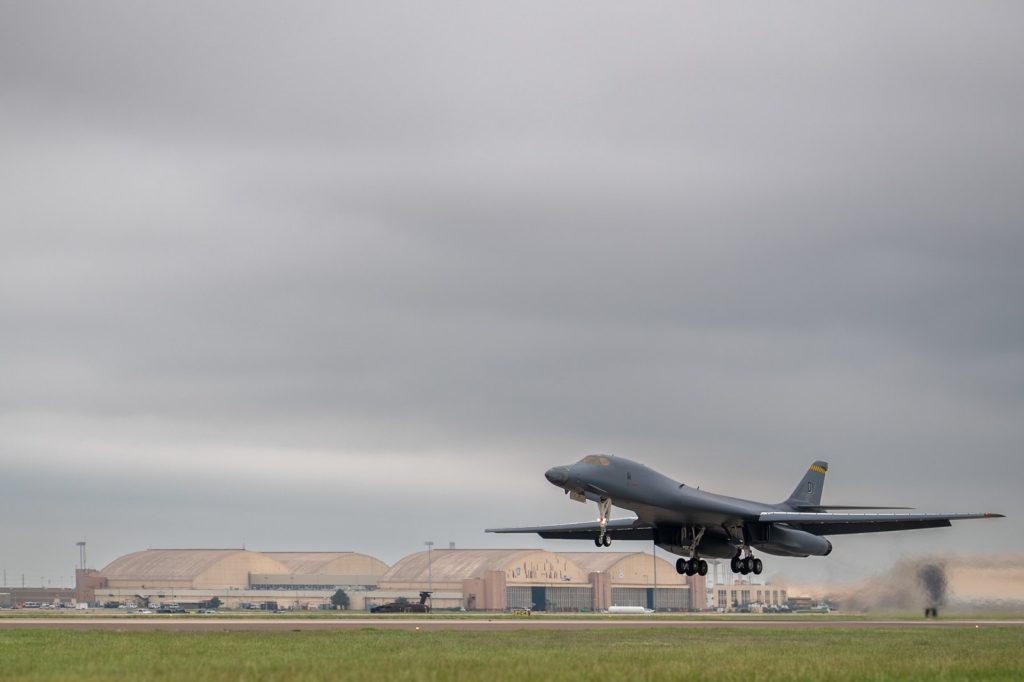
OKLAHOMA CITY, October 9 — Oklahoma’s aerospace and defense industry generated $52.5 billion in annual economic impact and supported over 250,000 jobs as of 2026, according to state officials. The state’s five major military installations contributed nearly half of this total economic impact, officials said. Since 2017, the industry has grown by more than 18%, driven by military installations, aerospace and aviation-dependent businesses, on-airport activity, out-of-state visitor spending, and off-airport air cargo activity.
Oklahoma’s aerospace and defense sector is built on assets that very few states can match, the ministry said. Analysts note the scale of Oklahoma’s defense ecosystem positions it as a key contributor to national military readiness and industrial capacity.
The state’s concentration of military infrastructure and aviation-related commerce creates a self-reinforcing cycle of investment and workforce development. Looking ahead, policymakers will monitor how federal defense spending trends and global supply chain shifts affect Oklahoma’s share of aerospace and defense output. The aerospace and defense sector has long been a cornerstone of Oklahoma’s economic landscape, dating back to the establishment of military bases and aviation companies during World War II.
The state’s favorable geography and central location have historically made it an attractive hub for aviation-related activities, with numerous airports and specialized facilities supporting diverse operations across the industry spectrum. Oklahoma’s position within the national aerospace and defense ecosystem reflects broader trends in the United States, where defense spending and aviation innovation remain significant drivers of economic activity.
The state’s unique combination of military installations, research institutions, and private enterprises creates a comprehensive industry network that contributes to both local economies and national security objectives. This concentration of aerospace and defense capabilities has positioned Oklahoma as a competitive player in attracting federal contracts and private investment, even as the industry faces evolving global challenges and technological advancements.
Background and why it matters
Oklahoma’s aerospace and defense industry traces its roots to World War II, when the state became a hub for military training and aircraft production due to its central location and expansive airspace. Facilities such as Tinker Air Force Base, established in 1941, became central to aircraft maintenance and logistics, laying the foundation for a sustained defense presence. Over the decades, the state attracted additional military installations and aviation-related enterprises, benefiting from its infrastructure and workforce development programs.
The aerospace and defense sector encompasses the design, production, maintenance, and operation of aircraft, spacecraft, and related systems for both military and civilian use, along with the supporting industries and infrastructure.
Today, Oklahoma’s concentration of military bases, aerospace manufacturers, and technical institutions creates a self-sustaining ecosystem that supports skilled employment and technological advancement. This depth of capability allows the state to respond effectively to federal defense initiatives and industrial demands. For readers, understanding this background highlights how long-term investments in infrastructure and workforce training have shaped a resilient industry that continues to influence both regional economic stability and national security readiness.




