
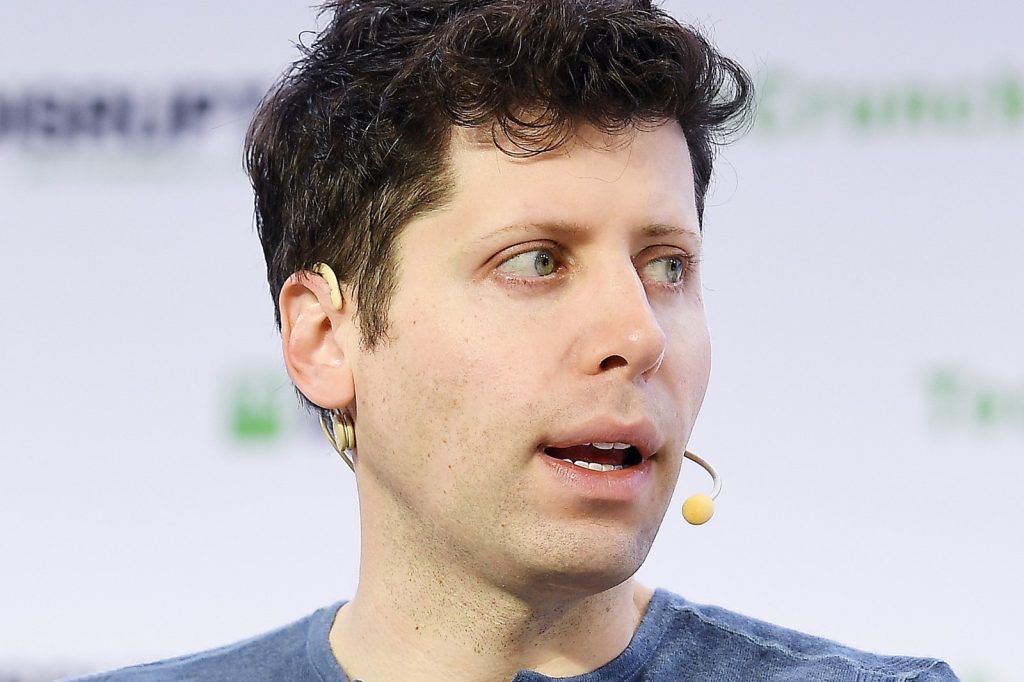
OpenAI has released GPT-4o, its newest and most capable artificial intelligence model, and made it available at no cost to all ChatGPT users. The announcement, made today, marks a significant departure from the company’s previous strategy of charging for premium access to its best technology. GPT-4o, which stands for “omni,” is a multimodal system that can process text, images, and audio in a single unified framework.
This represents a structural change from earlier models, which required separate systems for each type of input and output. The new architecture eliminates the need to convert speech to text before processing it, then convert it back to speech.
Instead, GPT-4o handles all data types simultaneously, reducing both processing time and computational cost. Paying ChatGPT Plus subscribers will receive higher usage limits, but the underlying model capability is identical for all users. This pricing model is a direct response to intensifying competition. Google, Meta, and numerous startups have released their own multimodal models over the past year.
While none have matched GPT-4o’s real-time audio and vision capabilities, the gap has been narrowing, prompting OpenAI to change its approach. The free access strategy serves multiple purposes.
Every interaction with a free user generates data that can be used to train future versions of the model. This creates a large-scale collection of real-world conversational data, including spoken exchanges and image analysis. The model is also designed to be multilingual from the ground up, treating all languages equally rather than using English as a default and other languages as translations.
This opens markets in countries where paid subscriptions have not gained traction. GPT-4o’s architecture builds on the transformer design that has powered all previous GPT models.
The key difference is its ability to handle multiple data types in a single system. One model manages text, images, and audio for both input and output without switching between specialist systems. The company appears to be prioritizing user base growth over direct revenue, at least in the short term.
This strategy mirrors classic Silicon Valley approaches: offer a product for free, build a large user base, and determine monetization later. However, the risk is that free access also enables misuse by bad actors.
The same tools that previously raised concerns about misinformation, scams, and deepfakes are now available to anyone with internet access and no payment requirement. OpenAI did not announce new safety measures alongside the free tier. Potential applications span multiple sectors.
Developers can build customer-facing chatbots. Educators and healthcare providers can use real-time audio and vision capabilities.
A doctor could show a rash to the camera and receive a spoken diagnosis. A mechanic could point a phone at an engine and hear an answer. These applications previously required custom-built systems or patience with slower processing.
The full implications of this release will become clear over the coming months. One immediate consequence is that the era of paying for cutting-edge AI capabilities has ended, driven by competitive pressure in the industry.
{“@context”: “https://schema.org”, “@type”: “NewsArticle”, “headline”: “OpenAI Makes Its Smartest Model Available for Free Access Immediately”, “description”: “OpenAI has released GPT-4o, its newest and most capable artificial intelligence model, and made it available at no cost to all ChatGPT users. The announcement, “, “datePublished”: “2026-06-23T09:30:00+00:00”, “author”: {“@type”: “Person”, “name”: “Beatrice Ferrari”}, “publisher”: {“@type”: “Organization”, “name”: “InfoPulse Today”, “url”: “https://newsfeed.infopulsetoday.com/”}, “image”: “https://infopulsetoday.com/wp-content/uploads/sites/4/rehomed/s23/2026/06/companion_9036.jpg”}




