
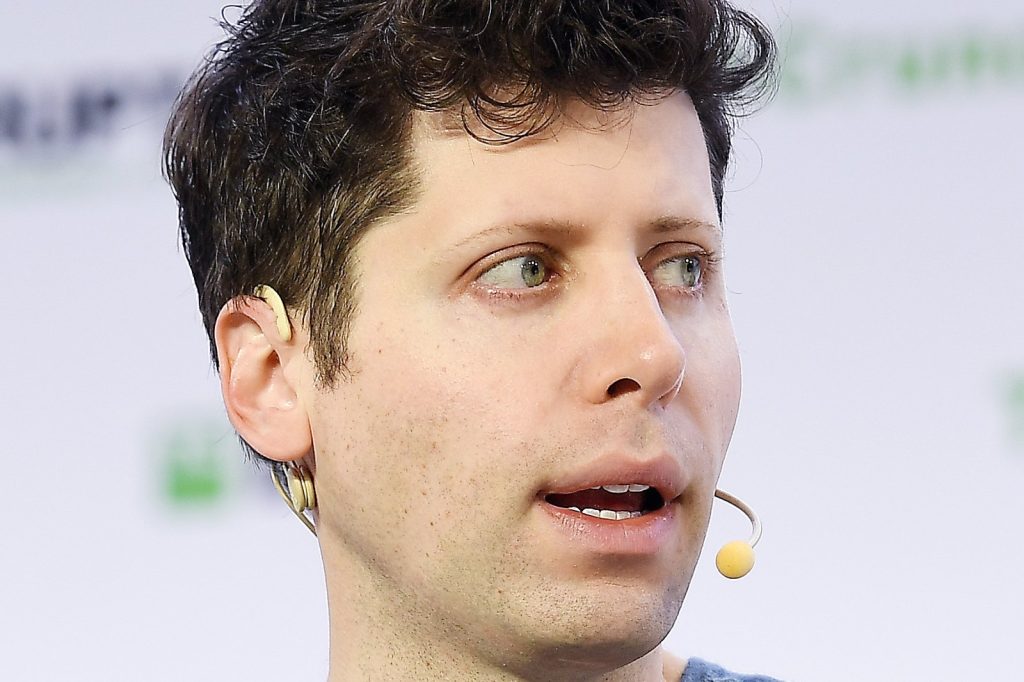
SAN FRANCISCO, August 14 — The sudden ouster and rapid reinstatement of Sam Altman as OpenAI’s chief executive last November laid bare the tensions at the heart of one of the world’s most influential artificial intelligence labs, a drama that continues to shape the company’s trajectory toward an initial public offering and the next generation of AI systems.
On November 17, 2023, OpenAI’s board of directors, led by co-founder and president Greg Brockman and including Ilya Sutskever, Helen Toner, Tasha McCauley, and Adam D’Angelo, voted to remove Altman from his role. The board cited concerns over his communication and transparency, though the full reasoning was never publicly disclosed.
The decision sent shockwaves through the company. Over 700 employees signed a letter threatening to resign unless Altman was brought back, a show of support that underscored his central role in OpenAI’s direction. Major backers, including Microsoft CEO Satya Nadella, also rallied behind Altman, signaling the depth of his alliances in the tech ecosystem.
A swift reversal
By November 21, just four days after his removal, Altman was reinstated as CEO. The board underwent a significant reshuffle: Greg Brockman, who had resigned in protest, returned to the company, while Helen Toner, Tasha McCauley, and Adam D’Angelo left the board. New directors were appointed in the following weeks, including Bret Taylor, former co-CEO of Salesforce, and Larry Summers, former U.S. Treasury Secretary.
The episode exposed long-simmering tensions between OpenAI’s for-profit and non-profit arms, a structural divide that has become increasingly common in high-growth tech ventures balancing mission-driven goals with commercial ambitions. Altman co-founded OpenAI in 2015 after serving as president of Y Combinator, the influential startup accelerator.
Under his leadership, OpenAI has pushed aggressively toward an IPO while advancing its development of cutting-edge AI systems, efforts that have positioned the company as a defining force in the field. The governance upheaval did little to slow that momentum. If anything, it highlighted the stakes—both for OpenAI and for the broader tech industry—as AI moves from research labs into the hands of businesses, governments, and communities across Asia and beyond.
What to watch next
With Altman back at the helm and a restructured board in place, the focus now turns to OpenAI’s next steps: the planned IPO, the rollout of new AI models, and the ongoing challenge of aligning rapid innovation with stable governance. For a company at the center of a technological revolution, the lessons of last November remain fresh.
Sources
{“@context”: “https://schema.org”, “@type”: “NewsArticle”, “headline”: “OpenAI Restructures Board After Brief Ousting of Sam Altman”, “description”: “SAN FRANCISCO, August 14 — The sudden ouster and rapid reinstatement of Sam Altman as OpenAI’s chief executive last November laid bare the tensions at…”, “datePublished”: “2026-08-14T09:30:00+00:00”, “author”: {“@type”: “Person”, “name”: “Merry Gel Sigui”}, “publisher”: {“@type”: “Organization”, “name”: “InfoPulse Today”, “url”: “https://newsfeed.infopulsetoday.com/”}, “citation”: [{“@type”: “CreativeWork”, “url”: “https://en.wikipedia.org/wiki/Sam_Altman”}]}




