
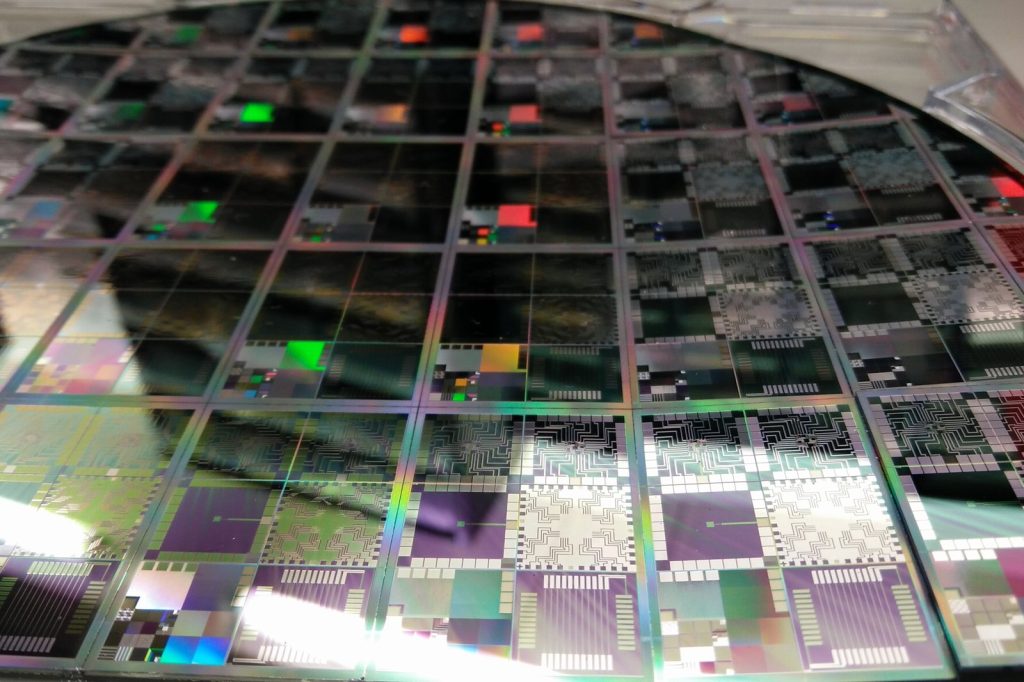
The Jalapeño chip hitting the market is OpenAI’s declaration that it will no longer be a hostage to Nvidia’s supply chain for the AI workloads that actually touch users. The company designed a custom processor for inference — the step where a trained model spits out an answer or generates an image. That is the part customers see.
That is the part that costs money every time someone hits enter. OpenAI has been spending heavily on computing infrastructure.
The report makes that clear. The practical upshot for users could be faster responses, lower costs, or both. For a company burning through cash to run ChatGPT and its successors, owning the silicon that handles every query gives it a direct lever on its own bills.
It is a cost-control move dressed up as a product launch. Broadcom did the heavy lifting on the physical design and manufacturing logistics.
The company has built custom chips for Google’s Tensor Processing Units and other hyperscale projects. That track record matters. OpenAI gets to skip the years-long process of building a chip design team from scratch.
Broadcom brings the engineering muscle. OpenAI brings the knowledge of exactly what its models need. The partnership is efficient.
It is also a signal that the era of off-the-shelf chips for AI inference is fading. The chip is not a one-off experiment.
Sources familiar with the matter indicate it fits a pattern. OpenAI has used spicy food names for internal projects before. The name Jalapeño slots into that.
But the naming is trivia. The real story is the shift in leverage.
For Nvidia, this is a warning shot. Inference is where the volume is. Training a model happens once.
Running it happens millions of times. If every major AI company starts designing its own inference chips, Nvidia loses a chunk of its most reliable revenue stream. Broadcom, meanwhile, positions itself as the go-to builder for anyone who wants to compete with Nvidia without spending a decade on hardware.
That is a lucrative spot. For users, the effects will be invisible but real.
Faster responses. Lower costs. Maybe both.
OpenAI controls the chip. It controls the models.
It controls the software stack. That vertical integration means it can squeeze performance out of the hardware in ways a general-purpose chip cannot match. Think of a restaurant that built its own oven.
The dish comes out the same, but the kitchen runs cheaper and the line moves faster. The chip is designed specifically for the kind of math that makes ChatGPT and its successors tick. That is a narrow focus.
It is not a general-purpose chip. It will not run every workload.
That is the point. OpenAI is betting that the future of AI inference is specialized silicon, not general-purpose GPUs. Broadcom is betting it can build that silicon for everyone who wants it.
The partnership is a template. Other AI companies will watch closely.
If the Jalapeño chip delivers on cost and speed, expect more custom silicon deals. Expect Broadcom to get more calls. Expect Nvidia to feel the pressure.
Expect OpenAI to keep spending on computing infrastructure, but to spend it on its own terms.
{“@context”: “https://schema.org”, “@type”: “NewsArticle”, “headline”: “OpenAI unveils custom Jalapeño chip to reduce reliance on Nvidia for inference”, “description”: “The Jalapeño chip hitting the market is OpenAI’s declaration that it will no longer be a hostage to Nvidia’s supply chain for the AI workloads…”, “datePublished”: “2026-06-24T10:36:00+00:00T09:30:00+00:00”, “author”: {“@type”: “Person”, “name”: “Erika Johnson”}, “publisher”: {“@type”: “Organization”, “name”: “InfoPulse Today”, “url”: “https://newsfeed.infopulsetoday.com/”}}




