
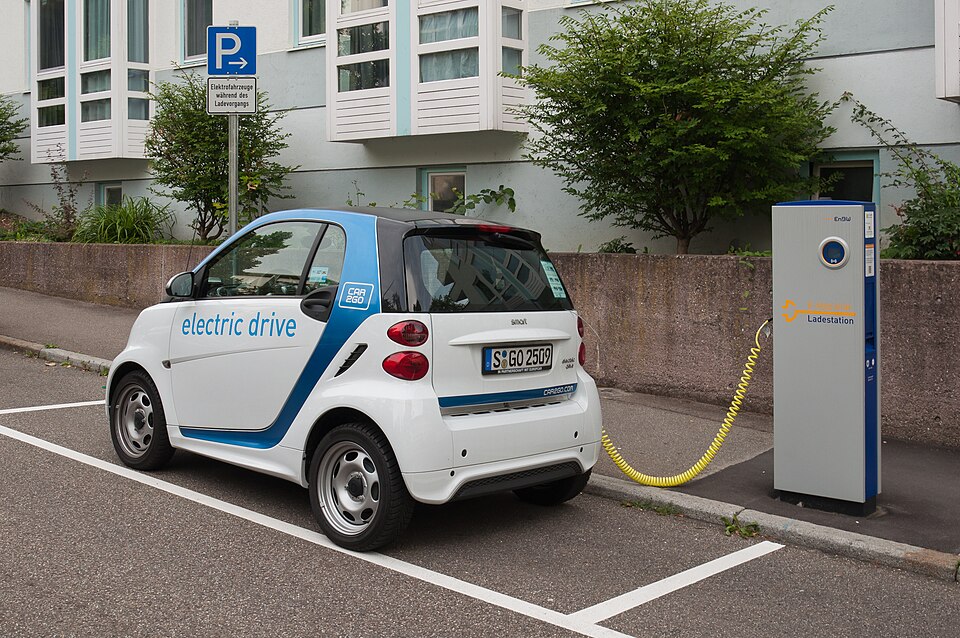
MASSACHUSETTS (2026-10-10) — A team of engineers at the Massachusetts Institute of Technology (MIT) is developing a new ‘smart battery architecture’ that could extend electric vehicle (EV) battery life by over 20 percent. The innovation could potentially reduce total cost and increase sustainability, offering significant advantages for private car owners and fleets. The team’s research, published in the journal ‘Nature Energy’, reveals that the new architecture could increase the total energy capacity of the batteries by 20 percent, while reducing the battery degradation rate by 40 percent.
This could translate to substantial cost savings for electric vehicle owners. For communities across Asia, where the adoption of electric vehicles is on the rise, this development could mean lower maintenance costs and increased operational efficiency for electric vehicle fleets.
The technology could help fleets reduce their maintenance costs and increase their operational efficiency. The new architecture could also benefit private car owners, who currently face high battery replacement costs due to battery degradation. The technology, by optimizing remaining capacity and bypassing weak cells, could significantly extend the life of electric vehicle batteries.
The MIT team’s research showed that the new architecture could potentially reduce the total cost of electric vehicle ownership by lowering the cost of battery replacements. This could make electric vehicles more accessible and affordable for more people.
The team’s research is still in the early stages, and the technology is yet to be named. However, the potential benefits of the new architecture are already generating excitement in the electric vehicle industry. As the technology progresses, it could pave the way for a more sustainable and affordable future of electric mobility.
The team’s research focuses on improving the performance of lithium-ion batteries, the most common type used in electric vehicles. The invention and commercialization of Li-ion batteries has had a large impact on technology, enabling portable consumer electronics, laptop computers, cellular phones, and electric cars, among other applications. Lithium-ion batteries can be a fire or explosion hazard as they contain flammable electrolytes.
Progress has been made in the development and manufacturing of safer lithium-ion batteries. Lithium-ion solid-state batteries are being developed to eliminate the flammable electrolyte.
Environmental issues have encouraged some researchers to improve mineral efficiency and find alternatives such as lithium iron phosphate lithium-ion chemistries or non-lithium-based battery chemistries such as sodium-ion and iron-air batteries. Lithium-ion cells can be manufactured to optimize energy density or power density. Handheld electronics mostly use lithium polymer batteries, a lithium cobalt oxide (LiCoO2) cathode material, and a graphite anode, which together offer high energy density.
Lithium iron phosphate (LiFePO4), lithium manganese oxide (LiMn2O4 spinel, or Li2MnO3-based lithium-rich layered materials, LMR-NMC), and lithium nickel manganese cobalt oxide (LiNiMnCoO2 or NMC) may offer longer life and a higher discharge rate. NMC and its derivatives are widely used in the electrification of transport, one of the main technologies (combined with renewable energy) for reducing greenhouse gas emissions from vehicles.
Lithium nickel cobalt aluminum oxide (NCA) is another high-energy lithium-ion chemistry commonly used in electric vehicle batteries. The invention and commercialization of Li-ion batteries has been recognized by the 2019 Nobel Prize in Chemistry, which was awarded to contributors to the development of Li-ion batteries. As the US administration continues to push for greener and more sustainable technologies, the development of the new ‘smart battery architecture’ could be a significant step forward in achieving those goals.
The team’s research was led by Professor Donald Sadoway.




