
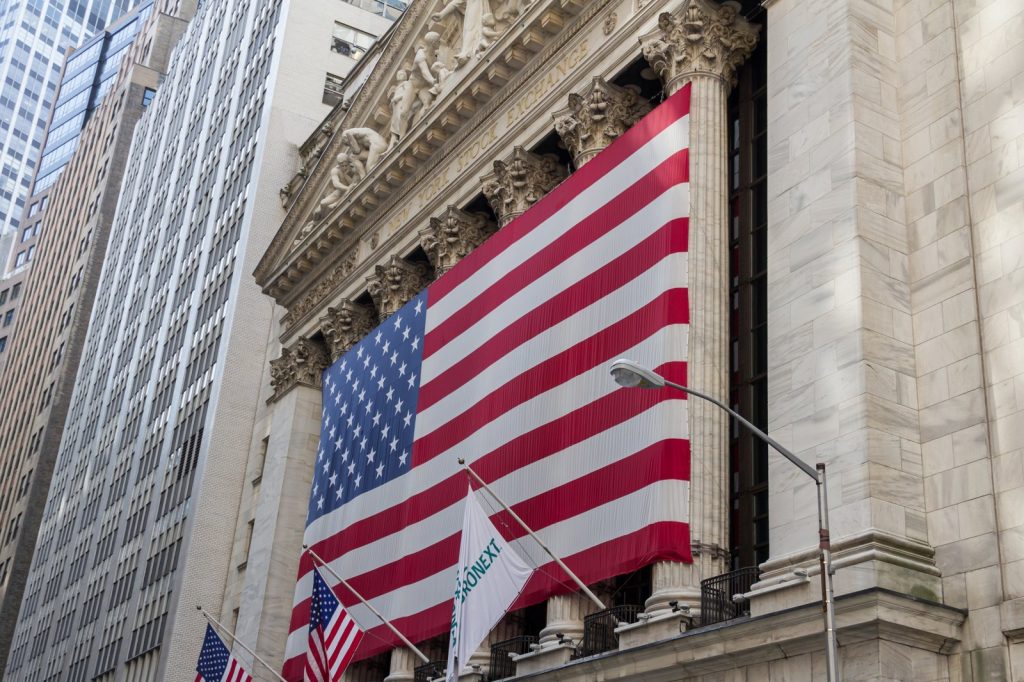
NEW YORK, June 28 — $18 trillion. That is the combined market value of the five biggest companies on Wall Street, all tech giants. The figure that matters: that sum is almost the size of China’s entire economy.
By the numbers, it is the scale that has investors asking a hard question — is this an artificial intelligence bubble, and what happens when it bursts? “There are many indications that we are in a bubble,” said Itay Goldstein, a finance professor at the University of Pennsylvania’s Wharton School.
“It seems likely that there is overpricing,” he added. The recent swings in tech stocks are reviving those fears, and some experts warn the fallout from a pop could be bigger than anything Wall Street has ever seen. The bottom line: Big tech has been pouring money into AI, and now investors are getting nervous about whether any of it will actually pay off.
Six months ago, these same companies were buying back their own shares — a move that signals excess cash and drives up the stock price. Now they are taking on debt to fund their AI buildout.
That is a significant reversal. “The amount of debt that’s being taken on is still relatively modest,” said Brent Fredberg, director of investments at Brandes Investment Partners. But a rise in interest rates — recently floated by the U.S. Federal Reserve — could make that borrowing a lot more painful.
Fresh off its blockbuster IPO, space and AI giant SpaceX announced this week it plans to issue $25 billion in bonds. The news sent its share price lower and raised new doubts about its financial health. Analysts also warn of a practice called “circular financing” — where big tech companies invest in AI startups, which then use that money to buy big tech’s own products and services.
“This can lead to problems down the road,” Fredberg said, calling out a potential house of cards. Tech stocks took a beating this week, reigniting old fears about an AI meltdown.
But not everyone is sounding the alarm. Some say the recent selloff is just a breather after a long run-up and not the start of a collapse. Investors will note the tension here.
On one side, the sheer size of the market caps — $18 trillion concentrated in five names — makes any correction feel seismic. On the other, the debt loads are still described as modest, and the selloff may simply be a pause.
The figure to watch going forward is interest rates. If the Fed follows through on its floated rate rise, the cost of all that new borrowing goes up fast. That would test whether the AI buildout has real revenue behind it — or just hope.
{“@context”: “https://schema.org”, “@type”: “NewsArticle”, “headline”: “Should we fear an artificial intelligence bubble bust?”, “description”: “NEW YORK, June 28 — $18 trillion. That is the combined market value of the five biggest companies on Wall Street, all tech giants. The…”, “datePublished”: “2026-06-28 08:21:48T09:30:00+00:00”, “author”: {“@type”: “Person”, “name”: “Ava Anderson”}, “publisher”: {“@type”: “Organization”, “name”: “InfoPulse Today”, “url”: “https://newsfeed.infopulsetoday.com/”}}




