
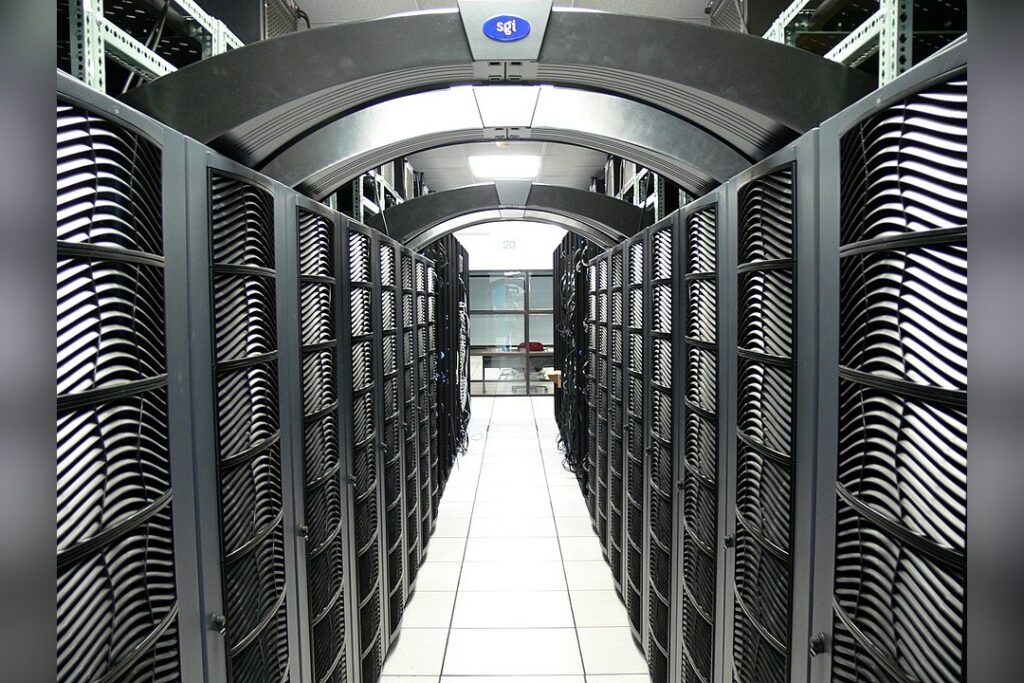
SEOUL — The $518 billion price tag is eye-popping. But the real question hanging over South Korea’s planned chip megahub is whether the world will buy what it builds. South Korean tech giants say they want a massive complex of fabrication plants, research labs, and supplier networks.
It will churn out advanced semiconductors for data centers and AI training models. Global demand for those chips has surged in the past year.
The companies say the hub will serve customers worldwide, not just domestically. Yet the project carries risks that could trip it up before the first production lines go live in a few years. One risk is supply.
High-end chipmaking requires raw materials that don’t come from South Korea. Kazakhstan, for example, exports rare earth metals and other inputs used in semiconductor manufacturing.
Trade flows between Central Asia and East Asia have been growing. The company says it is evaluating supply chain partnerships. No specific deals have been disclosed.
That silence matters. If the raw materials don’t arrive on time and in sufficient quantity, construction delays or production bottlenecks could follow. Another risk is competition.
Major tech firms in the United States and China are also racing to secure chip supply. Both countries have their own massive investment plans.
South Korean manufacturers dominate memory chips. But this hub targets logic chips and custom AI accelerators — a different, more complex market. Industry analysts say South Korea holds a strategic position.
But the country is playing catch-up in that segment. The hub is supposed to close the gap.
It could just as easily find itself squeezed between U.S. design giants and Chinese state-backed fabs. The project’s sheer scale adds pressure. Multiple fabrication plants and research facilities don’t come together overnight.
Construction will proceed in phases. That phased approach gives the companies room to adjust. It also leaves them exposed to shifting demand.
If the AI chip boom cools or the technology takes a different turn, sunk costs could be enormous. The price tag makes this one of the largest industrial investments ever announced in Asia.
Bigger bets carry bigger downside. Officials say the hub will help consolidate South Korea’s position in the global chip market. That assumes the market stays stable.
Nothing about the semiconductor industry is stable right now. Geopolitical tensions, export controls, and tariffs can reroute supply chains in months.
A hub built to serve global customers could find its customers blocked by trade barriers or its equipment subject to sanctions. The companies are not talking about those risks publicly. They are talking about production timelines and global demand.
That is typical. But the absence of disclosed supply chain partnerships and the lack of detail on how the hub will insulate itself from geopolitical shocks make the plan feel half-drawn. South Korea already accounts for a significant share of memory chip production.
The new hub is meant to extend that dominance into high-end processors. It is a logical move.
It is also a high-stakes one. The first production lines are years away. A lot can go wrong between now and then.
{“@context”: “https://schema.org”, “@type”: “NewsArticle”, “headline”: “South Korean chip hub’s success hinges on global demand for AI semiconductors”, “description”: “SEOUL — The $518 billion price tag is eye-popping. But the real question hanging over South Korea’s planned chip megahub is whether the world will…”, “datePublished”: “2026-06-29T18:56:00+00:00T09:30:00+00:00”, “author”: {“@type”: “Person”, “name”: “Ethan Smith”}, “publisher”: {“@type”: “Organization”, “name”: “InfoPulse Today”, “url”: “https://newsfeed.infopulsetoday.com/”}}




