
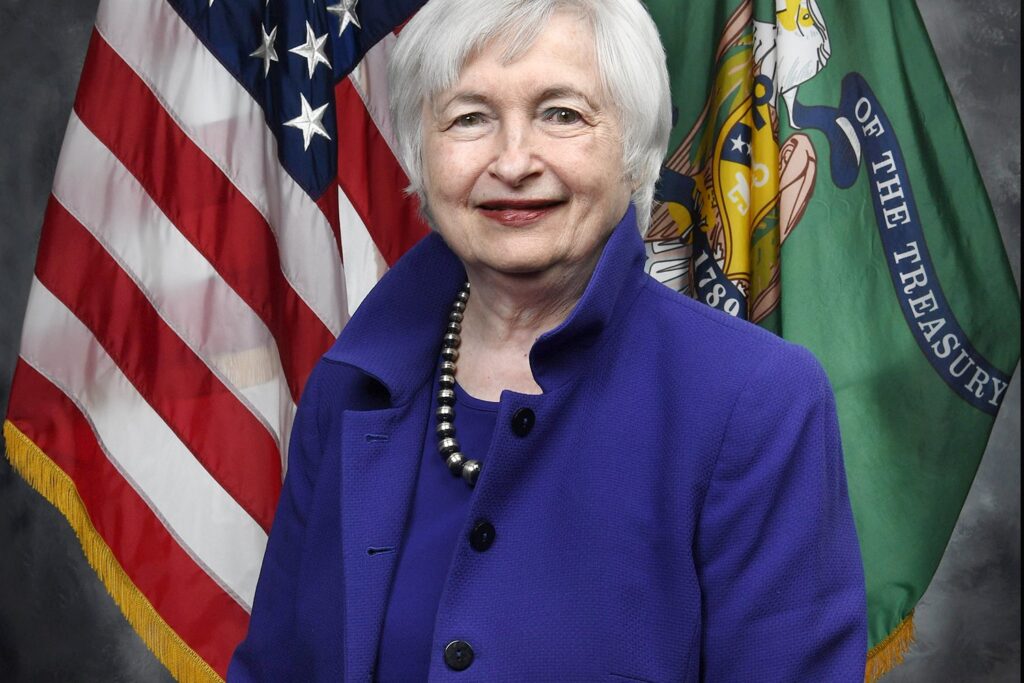
WASHINGTON, July 6 — The United States Treasury Department has released an internal report examining the financial risks posed by artificial intelligence, marking a significant step in how regulators view the technology’s rapid expansion across the economy. The report is part of a broader interagency effort to assess AI’s systemic implications for financial markets. The Treasury worked alongside the Office of the Comptroller of the Currency and the Consumer Financial Protection Bureau in developing the analysis.
The Securities and Exchange Commission, which proposed its own rules on AI use in financial markets in 2024, also contributed to the ongoing review. Major technology companies remain at the center of the AI investment boom.
Microsoft, Alphabet, Amazon, Meta Platforms, and Nvidia have poured tens of billions of dollars into AI research and infrastructure since 2023. Nvidia’s market capitalization surpassed $3 trillion in 2024, driven by surging demand for its AI chips. These firms are central to what some analysts describe as an AI bubble.
Their stock valuations have soared as investors race to back companies leading the technology’s development. The Treasury report does not declare a bubble, but it acknowledges the need for careful monitoring as valuations climb.
The Federal Reserve and the SEC are also watching AI-related financial risks. The SEC’s 2024 proposed rules aim to govern how AI is used in trading and other market activities. The Treasury’s internal analysis feeds into a wider government effort to understand whether AI could amplify existing financial vulnerabilities or create new ones.
For patients and families following these developments, the encouraging part is that regulators are moving deliberately. They are not rushing to impose rules that might stifle innovation, but they are also not ignoring the potential dangers. The Treasury’s approach mirrors the careful, evidence-based stance that medical professionals take when evaluating new treatments.
Early findings suggest that AI’s impact on financial stability will depend on how quickly the technology is adopted and how well safeguards keep pace. The Treasury report does not offer sweeping conclusions, but it lays groundwork for future policy decisions.
Patients should talk to their financial advisors about how AI-related market shifts might affect their investments. The encouraging part is that multiple federal agencies are now coordinating their oversight, which should help catch problems before they spread. As always, consult your doctor — or in this case, your financial professional — before making any major decisions based on market trends.
The story of AI in finance is still being written, and regulators are watching closely.
{“@context”: “https://schema.org”, “@type”: “NewsArticle”, “headline”: “Tech Giants and Regulators Clash Over AI Bubble Debate”, “description”: “WASHINGTON, July 6 — The United States Treasury Department has released an internal report examining the financial risks posed by artificial intelligence, marking a significant…”, “datePublished”: “2026-07-06T09:30:00+00:00”, “author”: {“@type”: “Person”, “name”: “Muhammad Asim”}, “publisher”: {“@type”: “Organization”, “name”: “InfoPulse Today”, “url”: “https://newsfeed.2bme.xyz/”}}




