
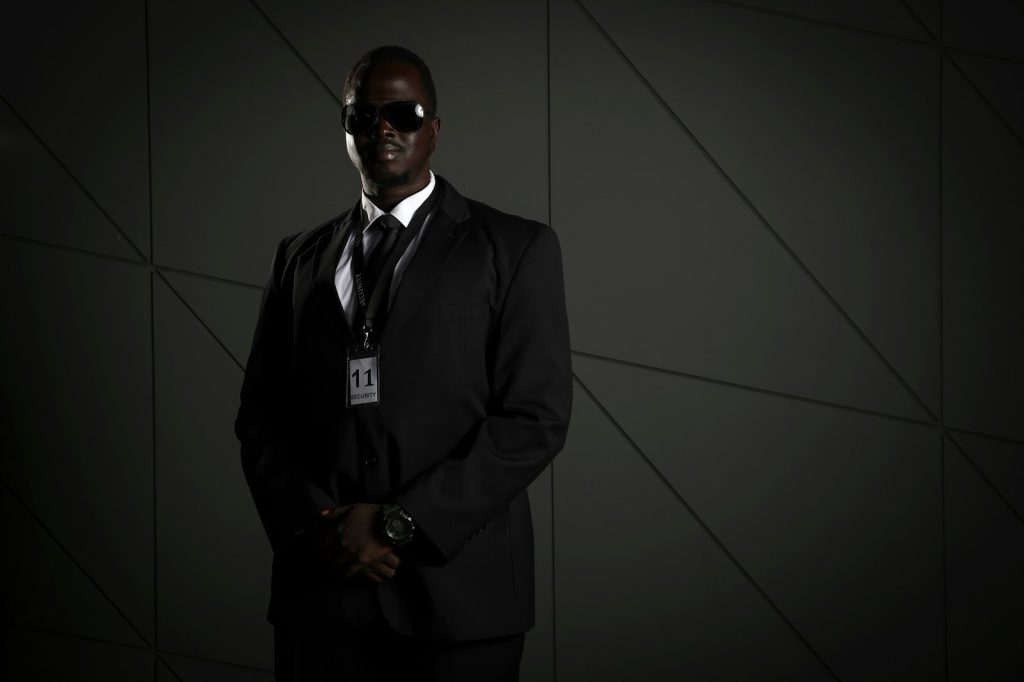
Armed bodyguards and private security details, once a rarity in the corridors of Silicon Valley, have become a standard expense for some of the most prominent leaders in artificial intelligence. By 2024, a wave of public backlash against the technology had driven executives to take precautions that mark a striking departure from the tech industry’s usual norms.
The shift reflects a deepening rift between those building advanced AI systems and a public increasingly worried about where the technology is headed. The roots of this tension trace directly to the explosive adoption of generative AI after the launch of ChatGPT in November 2022. In just its first two months, ChatGPT reached 100 million users — the fastest consumer adoption in history.
That speed set off immediate alarms. By March 2023, the Future of Life Institute had published an open letter signed by more than 1,000 people, including Elon Musk, Apple co-founder Steve Wozniak, and numerous AI researchers.
The letter called for a six-month pause on training any system more powerful than OpenAI’s GPT-4. In that same month, Geoffrey Hinton — often called the “Godfather of AI” — resigned from Google and began publicly warning about existential risks from the technology he had helped create.
Security Spending Rises Alongside Concern
By 2024, reports emerged that CEOs including Sam Altman of OpenAI, Elon Musk of Tesla and xAI, and Demis Hassabis of DeepMind had all significantly increased spending on personal security. Altman’s protection was reinforced after he was briefly ousted and then reinstated as OpenAI CEO in November 2023. At Tesla, Musk’s security costs were disclosed in a 2023 SEC filing at $1.5 million per year.
In the technology sector, measures of this kind have historically been rare among executives, reserved mostly for controversial figures in finance, politics, or entertainment. The decision by multiple AI leaders to employ armed details signals a clear shift in perceived risk, moving beyond online criticism into credible fears for personal safety.
An armed guard, in this context, is a person hired to provide close protection, typically carrying a firearm, to deter or respond to threats against a client. The growing security apparatus around AI executives highlights a deepening trust gap between the industry and the broader public. When the people building a transformative technology require armed protection from those it may affect, it raises fundamental questions about accountability and control.
The phenomenon also draws attention to the immense concentration of power in a small number of individuals and companies.
Job Displacement and Deepfake Fears Fuel Backlash
The backlash is driven by real and widely felt concerns. In March 2023, Goldman Sachs estimated that AI could replace 300 million full-time jobs globally.
Beyond the workplace, people worry about deepfake misinformation and the loss of human oversight. Public anxiety about AI is not new; science fiction has long depicted machines surpassing and threatening their creators. Real-world concerns have grown alongside each leap in capability.
The launch of powerful generative models in the 2020s intensified these fears, moving the discussion from hypothetical scenarios to immediate worries about job displacement, misinformation, and loss of human oversight. Earlier waves of automation sparked protests, but the speed and scale of generative AI adoption created a more visceral reaction.
Artificial intelligence refers to the ability of machines to perform tasks that usually require human intelligence, including learning, reasoning, and problem-solving. The field has experienced cycles of optimism and disappointment since its formal establishment as an academic discipline in the mid-1950s. Early promise gave way to funding cuts during the “AI winters” of the 1970s and 1980s, as systems failed to meet grand expectations.
Renewed interest arrived in the late 1990s and 2000s, driven by advances in computing power, data availability, and new techniques such as deep learning. The armed bodyguards for top executives represent a physical manifestation of the tension that now surrounds the field.
They also signal that the debate over artificial intelligence is no longer abstract. It has become urgent, personal, and, for some, potentially dangerous.




