
NEW YORK, June 25 — For all the talk of artificial intelligence as a revolution in code, the real story may be written in copper, lithium, and concrete. A new report from the United Nations University Institute for Water, Environment and Health is pulling back the curtain on what the AI boom actually costs the planet. Biju Dharmapalan, writing on the findings, puts it plainly: AI is not simply software floating in the cloud.
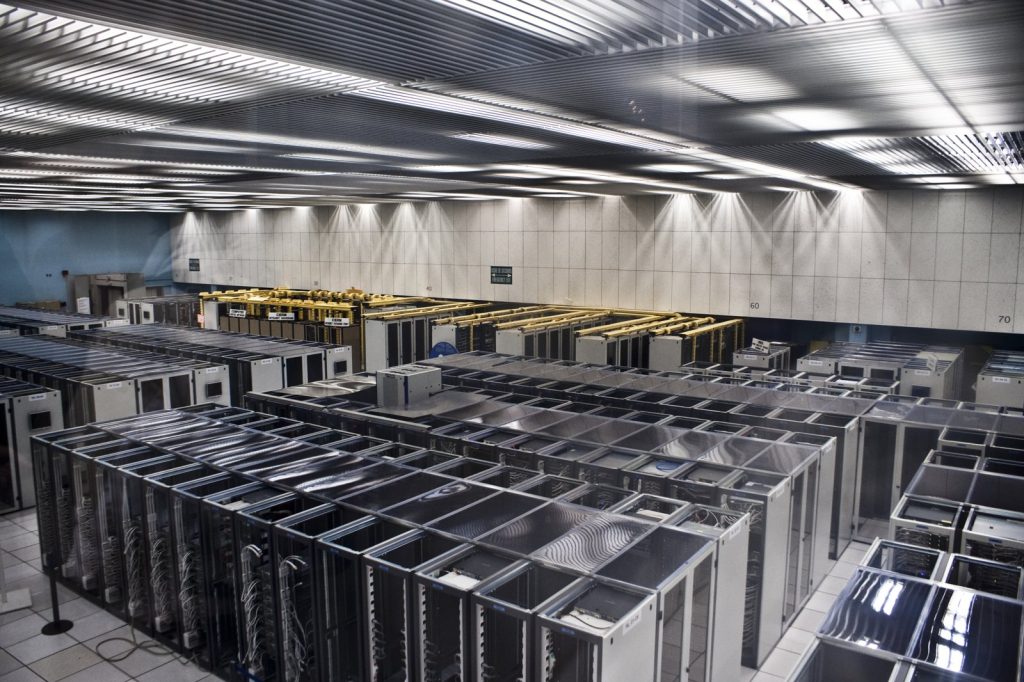
It is a newfound superpower, yes, but one that comes with a physical price tag. Each time a chatbot replies, an image is generated, or an automated recommendation is made, there is a lot of physical infrastructure behind it — data centres, high-performance computers, cooling systems, electrical power grids, water supplies, rare minerals and acres of land.
The report should serve as a catalyst for progress among policymakers, technology companies, and users, according to Dharmapalan. The numbers driving that urgency are staggering. Training advanced AI models demands a tremendous amount of energy.
GPT-4, one of the most powerful language models ever developed, used between 50 and 70 gigawatt-hours of electricity. That is not a number that lives in the abstract.
For families, for patients, for anyone who has ever asked a chatbot a question or used an AI tool, this is what it means: every interaction has an environmental shadow. The infrastructure required to power the AI revolution draws heavily on water for cooling systems, on electrical grids already under strain, and on rare minerals extracted from the earth. AI has become the hallmark technology of this era, with applications ranging across healthcare and education to agriculture and governance.
The release of generative AI like ChatGPT has ushered in a new dawn, allowing machines to compose videos, analyse data, write, and even draw. Governments, companies and individuals are adopting AI at a surging pace. The global AI market, valued at USD 189 billion in 2023, is expected to reach up to USD 5 trillion by 2033.
But the human side of this story is not just about innovation. It is about what we are willing to trade for it.
The UNU-INWEH report makes clear that AI is not code; it is electricity, water, carbon, silicon, copper, lithium, and concrete. For the families living near data centres, for communities drawing water from stressed aquifers, for patients hoping that AI-driven healthcare breakthroughs will improve their lives — the environmental costs are not theoretical. The question now is whether the pace of adoption will outstrip the capacity to manage its footprint.
For policymakers and technology companies, the findings are a warning shot. For the rest of us, they are a reminder that every breakthrough has a backstory written in the physical world.
{“@context”: “https://schema.org”, “@type”: “NewsArticle”, “headline”: “The Earths Warning to the AI Revolution”, “description”: “NEW YORK, June 25 — For all the talk of artificial intelligence as a revolution in code, the real story may be written in copper,…”, “datePublished”: “2026-06-25 22:30:37T09:30:00+00:00”, “author”: {“@type”: “Person”, “name”: “James Roberto”}, “publisher”: {“@type”: “Organization”, “name”: “InfoPulse Today”, “url”: “https://newsfeed.infopulsetoday.com/”}}




