
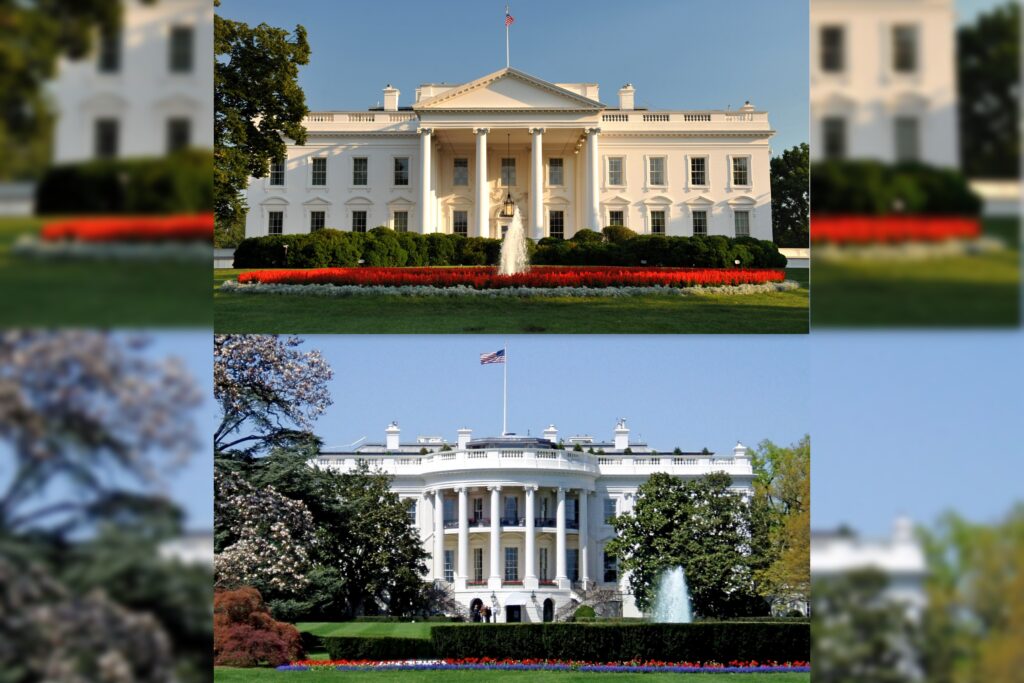
WASHINGTON, July 14 — President Donald Trump formally notified the U.S. Congress today of a new military action against Iran, invoking the War Powers Resolution of 1973. The notification, sent as a letter to the Speaker of the House and the President pro tempore of the Senate, details the scope and duration of the operation, citing the need to protect American interests and personnel in the region. Think of the War Powers Resolution like a check on the president’s authority to send troops into harm’s way.
Passed over President Richard Nixon’s veto on November 7, 1973, the law requires the president to consult with Congress before introducing U.S. armed forces into hostilities and to report any such deployment within 48 hours. In plain terms, it’s Congress’s way of saying: you can’t start a war without us having a say.
The current action follows escalating tensions after Iran’s alleged involvement in attacks on U.S. bases in Iraq and the downing of a U.S. drone in June 2019. The notification does not specify a timeline for the operation but emphasizes that the action is limited in scope to prevent further escalation. This marks a significant step in U.S.-Iran relations, which have been strained since the U.S. withdrawal from the Joint Comprehensive Plan of Action, or JCPOA, on May 8, 2018.
The JCPOA, signed on July 14, 2015 — exactly eleven years ago today — between Iran and the P5+1 (China, France, Russia, United Kingdom, United States, plus Germany), limited Iran’s nuclear program in exchange for sanctions relief. The Trump administration’s maximum pressure campaign has reimposed sanctions, leading to economic hardship in Iran and increased regional instability.
How the War Powers Resolution works
The War Powers Resolution has been invoked by multiple presidents for conflicts in Lebanon, Grenada, the Persian Gulf, and Libya. The law gives Congress 60 days to authorize the use of military force, or the president must withdraw forces. This development raises constitutional questions about executive war powers and the role of Congress in authorizing military action.
Here’s what it means in practical terms: the president has started a military operation, and now Congress has a defined window to decide whether to back it or force a withdrawal. The practical upshot for ordinary readers is that this isn’t a blank check for an open-ended conflict — the law creates a mechanism for congressional oversight, even if the president initiates the action.
What to watch next
The notification does not specify a timeline for the operation but emphasizes that the action is limited in scope to prevent further escalation. Congress now faces the question of whether to authorize the use of military force, a decision that will shape U.S.-Iran relations for years to come. The constitutional questions raised by this action are likely to fuel debate in the coming weeks about the balance of war powers between the executive and legislative branches.




