
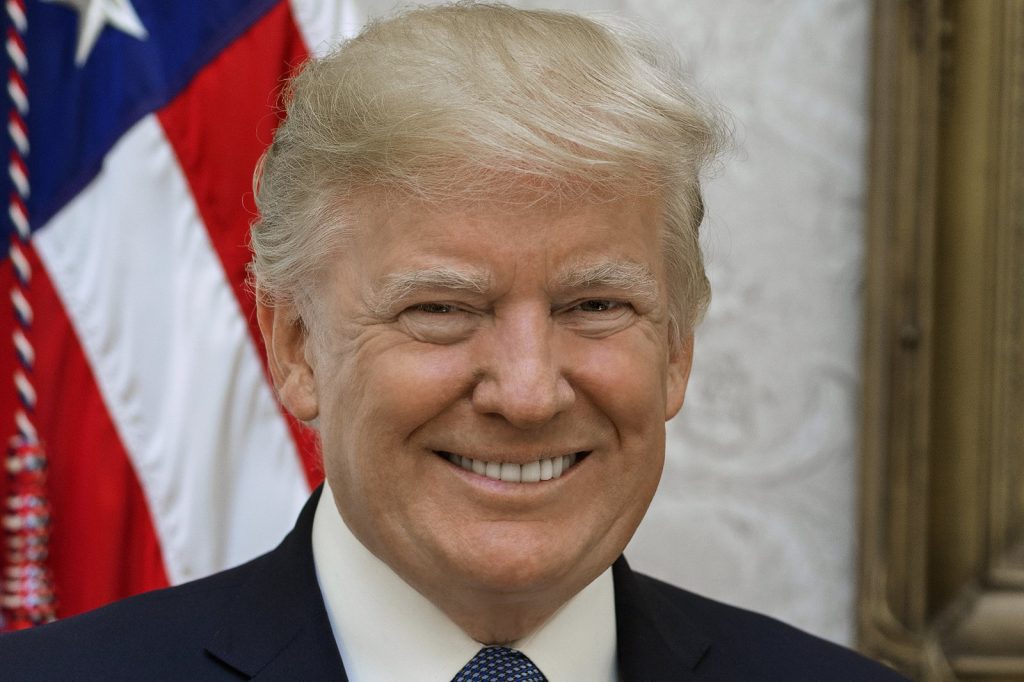
WASHINGTON, September 1 — Former President Donald Trump warned that towns rejecting data center projects risk falling behind economically, calling them likely to become “backwards and poor.” Speaking at a campaign event, Trump framed data centers as essential for local growth and urged communities to welcome the infrastructure. He said opposition to such projects reflects a misunderstanding of modern economic needs. The remarks came amid broader Republican messaging on technology investment and job creation. Trump did not name specific towns or cite any statistics in his comments. He emphasized that embracing data-driven industries is key to avoiding decline. Local officials in several states have recently debated zoning and tax incentives for data center developments. The former president positioned himself as a proponent of tech-friendly policies to boost regional economies. He argued that resistance could leave towns unable to compete for future investment. Observers noted the comments align with his focus on infrastructure and domestic industry. Trump did not detail any federal role in siting or funding such projects. The statement adds to his platform on strengthening American technological competitiveness. Voters in swing states will watch how local leaders respond to the appeal. Future debates over land use and energy demands may shape where data centers are built. Trump’s message aims to frame opposition as economically shortsighted. No immediate policy proposals followed the remarks. The conversation continues as communities weigh short-term concerns against long-term growth prospects. Voters will assess whether his framing influences local decisions on tech infrastructure. The issue remains tied to broader debates about jobs, innovation, and regional equity. Trump’s warning serves as a signal to municipalities considering similar developments. The long-term impact depends on local regulatory choices and market demand. For now, the warning stands as part of his economic narrative ahead of the 2026 election cycle. Communities must decide whether to accept or reject the trade-offs involved. The outcome will shape which areas attract next-generation digital investment. Trump’s stance adds pressure on leaders to justify resistance with concrete alternatives. The debate over data centers is likely to intensify as digital infrastructure expands. Towns that say no may face questions about their economic trajectory. Those that say yes will need to manage environmental and community impacts. The former president’s comments highlight the stakes in these local decisions. No further action was announced following his remarks. The issue remains live in political and economic circles. Voters and officials will continue to weigh the competing priorities. The direction of local policy will determine which communities benefit from the digital economy. Trump’s warning frames the choice as one between progress and stagnation. The real test will be in town halls and planning boards across the country. The coming months will show whether his message changes minds on the ground. For now, the warning stands as a clear signal of where he believes economic opportunity lies. Communities ignoring it may find themselves left behind, he suggested. The alternative, he argued, is participation in a growing sector. The choice, he said, is theirs to make. The consequences will unfold over time. For now, the debate continues. The bottom line: Trump sees data centers as a litmus test for local economic foresight. By the numbers approach does not apply here, as no figures were given. Investors will note the alignment with broader tech investment trends. The figure that matters, in his view, is whether a town chooses to engage or opt out. What follows depends on local leadership and voter sentiment. The story develops as the election nears. Communities will decide soon enough. The warning has been delivered. The response remains to be seen.
Trump Warns Towns Rejecting Data Centers Face ‘Backwards’ Future
Google
Get cybersentinelnews.com stories first. Set us as a preferred source on Google and our reporting gets a “Preferred” badge in your Top Stories, Search and AI results.
Add as preferred source →
More stories by
Most read
-
Microsoft Unveils Revolutionary AI Model for Fast, Accurate Decision-Making
-
Satya Nadella Warns All AI Models Must Be Treated as Potentially Compromised
-
Vice President Vance Announces Labor Investigations Into Tech Companies and Universities O
-
FDA Expands Approval for Anktiva in Treating BCG-Unresponsive Bladder Cancer
-
Open-source project Atlas enables multi-agent code tracking and querying in one place
-
FCA Mandates AI Disclaimers to Curb Risks in Automated Financial Guidance
-
Inside OpenBMB’s MiniCPM-V 4.7 35B-A3B: The First Open-Source MoE Vision Model for Mobile Devices
-
GitHub Guide Helps Users Run DeepSeek V4.1 Locally
-
How to Configure AI Agents to Prevent Data Leakage While Maintaining Functionality
-
Open-Source AI Suites Challenge Adobe’s Longstanding Creative Software Monopoly
-
Tenstorrent Secures $1.5 Billion in Series E Funding to Challenge Nvidia
-
Regulators Seek Rules for AI Agents Executing Financial Trades Amid Surge
-
BIS Warns AI Investment Bubble Risks Reality as Revenue Targets Loom
-
Nvidia’s Huang pitches open-weight AI as Europe’s path to tech sovereignty
-
Llama.cpp MoE Caching Lets RTX 3090 Run 300B Models Locally
-
PETRONAS and Phoenix Petroleum Sign MoU for Downstream Marketing and Tech Collaboration in the Philippines
-
UK, Singapore launch talks on the digital trade agreement
-
HSBC: Malaysia, Singapore regional hubs for green financing
-
Malaysia extends tax break for corporate investors to 2022.
-
Malaysia’s largest mineral water company to boost production to 900 million bottles
-
Tate Brothers detained amid string of serious allegations
-
Predator recognition persists in horses when viewing wolves on-screen
-
Odisha teachers’ Muqabla dance reel wins hearts online
-
Takaichi’s Europe trip planning confirmed; June 13 departure under consideration
-
Pakistan Roof Collapse Kills Six, Injures Five



