
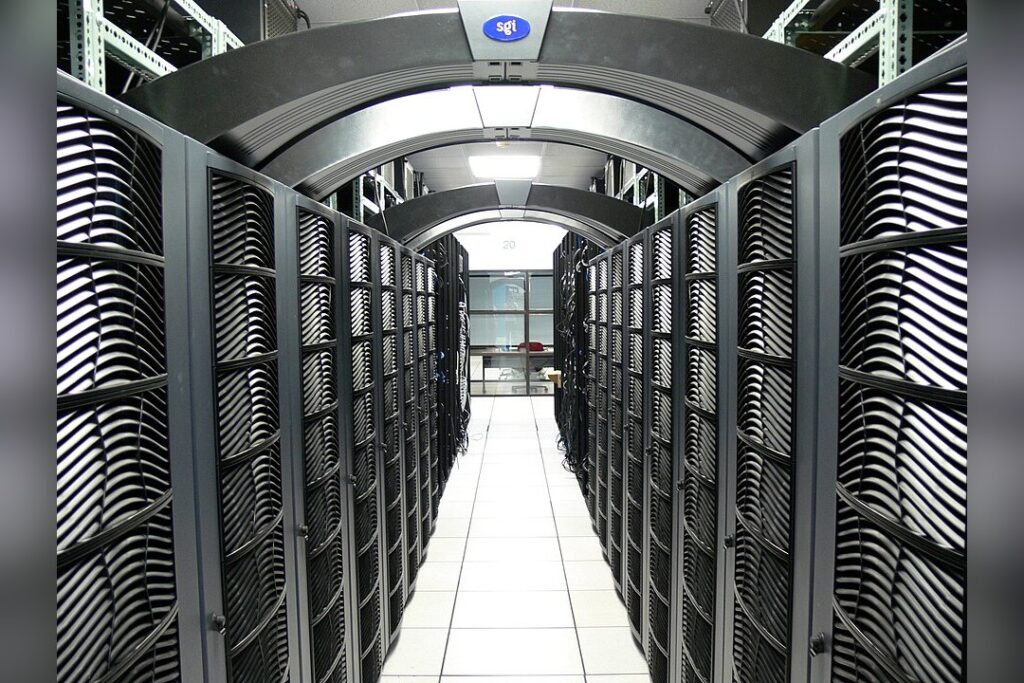
Three US cities are now suing the AI companies whose data centres sit in their backyards. New York state has a one-year moratorium on large facilities. At least four other US areas have temporary bans.
And in Australia’s Blue Mountains, a $4.8 million proposal just got knocked back — but the fight is far from over. This is the emerging landscape of the AI boom’s physical footprint.
Not server farms humming in remote deserts, but facilities proposed on residential streets, a block from schools, bordering parks. The Blue Mountains campaign, called Stop Data Centres Blue Mountains, calls the plan a “threat to peace.” Their concerns are specific: 24/7 low-frequency noise intrusion, pressure on electricity and water supplies, potential PFAS exposure, and insufficient bushfire protections. The MAK Urban Group application sought to erect the facility in north Katoomba.
That is about an eight-minute drive from the Three Sisters, one of Australia’s most iconic sights. The centre would have employed two to five staff.
Residents saw it differently. They heard a constant high-pitched droning, the kind that has produced eerie videos from US neighbourhoods already living next to these centres. A sound that never stops.
Australia is emerging as a hot destination for new data centres. The power-hungry AI industry needs them. But the backlash is building fast.
What happened in the Blue Mountains over the weekend is not an isolated local dispute. It is part of a wider pattern — one that has already triggered lawsuits, moratoriums, and temporary bans in the United States.
New York’s one-year moratorium on large data centres passed this month. That is a direct legislative response. The three US cities suing AI companies are taking a different route, but the goal is the same: stop the unchecked expansion.
The videos from US residents show what the Blue Mountains community fears. A noise that does not stop at night.
A noise that does not stop on weekends. A noise that does not stop. The MAK application was for a $4.8 million development.
That is not a massive facility by industry standards. But it was proposed on a residential street. The group behind the campaign described it as a “diabolical” threat.
The word choice matters. This is not about NIMBYism over a new apartment block.
It is about a facility that runs 24 hours a day, seven days a week, generating low-frequency noise that travels through walls and windows. Residents say it intrudes on peace. They are not wrong.
The bushfire concern is specific to the Blue Mountains. That area burned catastrophically in the 2019-2020 bushfires.
A data centre with insufficient fire protections in a bushfire-prone zone is a risk that residents do not want to take. The PFAS exposure concern reflects a wider anxiety about the chemicals used in firefighting foam and other industrial processes. The electricity and water supply pressure is a practical worry for a region that already faces infrastructure constraints.
None of this is theoretical. The US experience shows what happens when these centres arrive without adequate community consultation or regulatory oversight. The lawsuits and bans are proof that the problems are real.
The Blue Mountains campaign is trying to get ahead of that curve. The council knocked back the MAK application.
That is a win for the residents. But the company could appeal, or submit a revised plan. The broader trend will not stop with one rejection.
As the AI industry expands at a rapid rate, more proposals will come. More communities will face the same choice: accept the noise and the pressure, or fight.
The Stop Data Centres Blue Mountains group is now part of a growing network of local campaigns. They are watching each other. They are learning from the US lawsuits.
They are paying attention to New York’s moratorium. The question is whether Australian planning laws will keep up with the speed of the AI industry’s physical expansion. The Blue Mountains rejection is one data point.
It will not be the last.




