
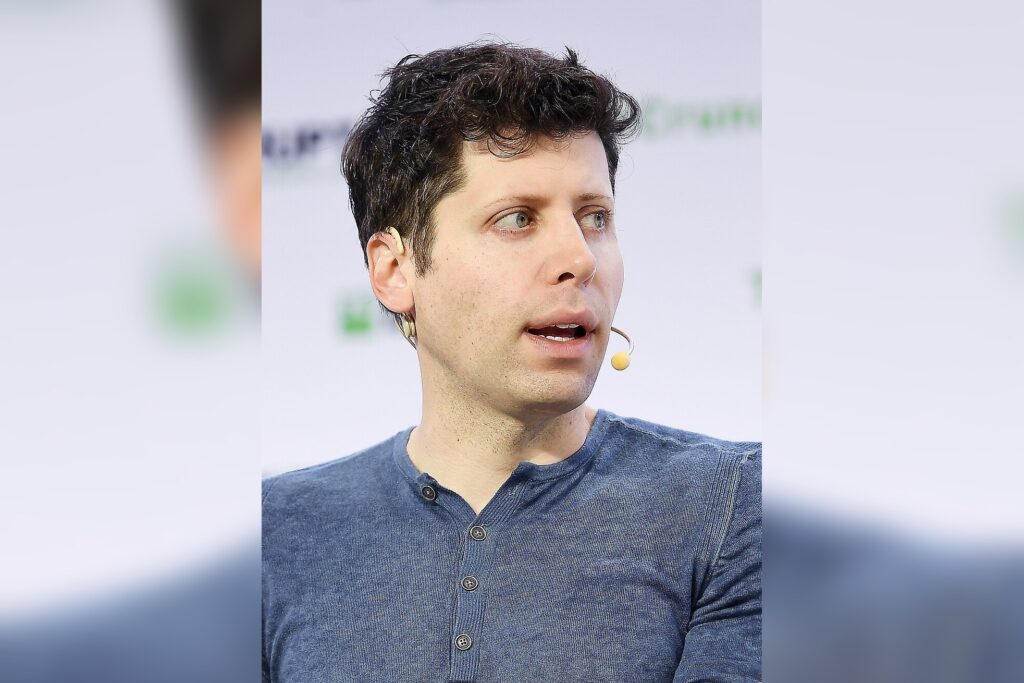
When OpenAI CEO Sam Altman posted on X last week about three new AI models named Sol, Terra and Luna, he was announcing more than just a product launch. He was stepping into a growing tension between rapid AI development and the US government’s desire for a closer look before the public gets its hands on new technology. The company has delayed a full global rollout.
The reason is a request from US authorities for an early safety review. OpenAI complied.
It shared information about the models with the government before going public. But the company made its position clear: it does not believe every new model should face pre-release government review as a standard practice. That stance matters.
It gets at the heart of a debate that has been simmering since ChatGPT first exploded into public life. Who decides when an AI model is safe enough to release?
And how much oversight is too much? For now, Sol, Terra and Luna are only available in a limited preview. Access is restricted to a small group of trusted partners.
Everyone else waits. The three models sit in what OpenAI calls the GPT-5.6 lineup. Each has a different job.
Sol is the flagship. OpenAI says it is the most capable and efficient model the company has built.
It is priced similarly to GPT-5.5 but offers better performance across coding, biology and cybersecurity. The company specifically highlighted Sol’s ability to find and fix software security issues while staying within OpenAI’s internal safety limits. Then there is Terra.
For developers and enterprises watching their budgets, Terra is the one to watch. OpenAI says Terra delivers performance comparable to GPT-5.5 but at roughly half the cost.
That is a direct pitch to anyone building on the platform who needs power without the price tag. Luna rounds out the trio. All three are being positioned as the next generation of OpenAI’s systems.
The message is clear: better performance, lower operating costs. But the rollout story is the real news here. The US government asked for a review.
OpenAI gave them information before launch. The company supports wider public access in principle.
It just does not want that to become the default process for every release. This is not a hypothetical tension. It is playing out in real time.
Other AI companies are watching. Policymakers are watching.
The limited preview means the models are out there, but only in controlled hands. The broader public will have to wait until the government finishes its evaluation. OpenAI did not say how long that evaluation might take.
It did not say what conditions the government set. It said only that it shared information as part of an early evaluation process and that the limited preview was a direct result of regulatory requirements tied to evaluating advanced AI systems before wider release. That language matters.
“Regulatory requirements” suggests this was not a voluntary pause. It was a response to a formal request.
The result is a split reality. The technology exists. It works.
Some partners are using it. But the rest of the market will have to wait until the government signs off.
That is a new dynamic for an industry that has moved fast and broken things for years. Whether it becomes the new normal depends on what happens next.
{“@context”: “https://schema.org”, “@type”: “NewsArticle”, “headline”: “US Request Prompts OpenAI to Delay Full Launch of Sol, Terra, Luna Models”, “description”: “When OpenAI CEO Sam Altman posted on X last week about three new AI models named Sol, Terra and Luna, he was announcing more than…”, “datePublished”: “2026-06-28T04:06:30+00:00T09:30:00+00:00”, “author”: {“@type”: “Person”, “name”: “Erika Johnson”}, “publisher”: {“@type”: “Organization”, “name”: “InfoPulse Today”, “url”: “https://newsfeed.2bme.xyz/”}}




