
From Voice Commands to Learning Habits
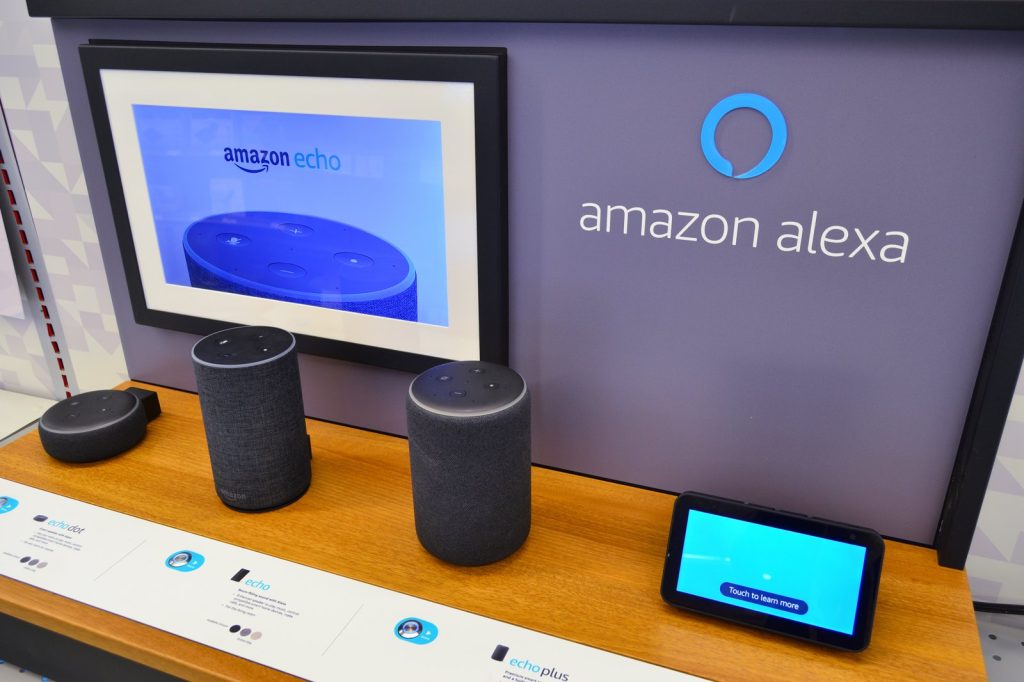
The foundation of this shift rests on virtual assistants that have become household names. Apple’s Siri, launched in 2011, brought conversational AI to the mainstream by letting users ask questions and set reminders using natural language. Amazon followed with Alexa in 2014, the same year Microsoft introduced Cortana. Google Assistant arrived in 2016, further expanding the ecosystem. These systems rely on natural language processing and machine learning to interpret spoken or written commands and perform tasks — answering queries, controlling smart home devices, and managing schedules.
Their reach extends far beyond phones. A thermostat like Nest, which Google acquired in 2014, uses AI to learn a family’s daily schedule and adjust temperatures automatically, reducing energy waste while keeping homes comfortable. Security cameras equipped with similar AI techniques enable automation that gives caregivers peace of mind when checking on elderly relatives. For families, this means a home environment that anticipates needs rather than merely reacting to switches and dials.
The technology’s human side reaches beyond the front door. Navigation apps such as Google Maps, launched in 2005, and Waze, acquired by Google in 2013, rely on AI to route drivers around traffic, saving time and frustration. Social media platforms, including Facebook (founded in 2004) and Instagram (2010), use AI for content curation and advertising, shaping the news feeds and advertisements people see every day. Meanwhile, recommendation algorithms on streaming and music services — Netflix (launched 1997), YouTube (2005), and Spotify (2006) — analyze user behavior to suggest movies, videos, and playlists. For families, this translates into movie nights shaped by past viewing habits or playlists that evolve as tastes change.
Market Growth and the Infrastructure Behind It
The economic scale of this transformation is substantial. According to Statista, the global smart home market was valued at $79.13 billion in 2022, a figure that underscores how deeply AI now permeates daily life through virtual assistants, recommendation systems, and connected devices. That investment reflects both consumer demand and the technological progress that has made such systems practical.
Behind the convenience lies decades of research and infrastructure development. Early computing interfaces required typed commands and rigid menus. Speech recognition technology that emerged in the late twentieth century opened the door to hands-free operation, but research labs had experimented with conversational agents for years before consumer hardware caught up. The widespread adoption of mobile phones gave the first mass audience a device that was always nearby and connected, shifting assistants from desktop-bound experiments to pocket-sized companions. The expansion of broadband internet and cloud services supplied the computing power necessary to process voice commands and deliver quick, accurate responses.
Blurring the Line Between Tool and Companion
The quiet presence of AI now touches homes, commutes, and personal feeds. A thermostat adjusts on its own; a map reroutes around a delay; a playlist changes to match a lingering mood. For families, the promise is a home that works with them, not against them. As these systems continue to learn and improve from each interaction, the boundary separating a helpful tool from an intuitive companion grows less distinct. What was once considered science fiction has settled into routine, quietly changing expectations of what machines should anticipate without being asked.
{“@context”: “https://schema.org”, “@type”: “NewsArticle”, “headline”: “Voice Assistants Reshape Daily Life with AI Integration”, “description”: “From Voice Commands to Learning Habits The foundation of this shift rests on virtual assistants that have become household names. Apple’s Siri, launched in 2011,…”, “datePublished”: “2026-07-05T09:30:00+00:00”, “author”: {“@type”: “Person”, “name”: “Isabella Moore”}, “publisher”: {“@type”: “Organization”, “name”: “InfoPulse Today”, “url”: “https://newsfeed.infopulsetoday.com/”}}




