
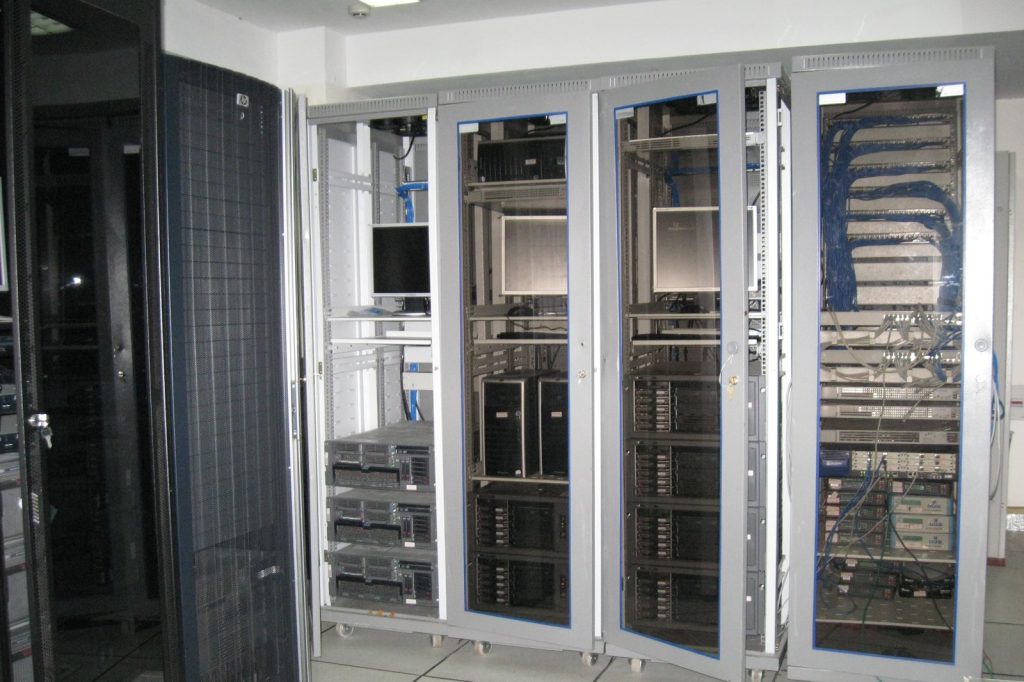
The water footprint concept, first introduced in 2002, is offering researchers and policymakers a way to track the hidden freshwater cost of artificial intelligence data centres. Unlike traditional measures that focus on how much water an industrial site draws from a tap or a river, this method follows the full consumption chain — including the rainwater soaked into power grids and the water needed to dilute pollution from operations. The framework divides water use into three categories.
Blue water refers to surface and groundwater directly withdrawn for cooling. Green water tracks the rainfall embedded indirectly, such as through electricity generation.
Grey water accounts for the volume needed to dilute pollutants released during operations. For an AI data centre, all three matter, and the metric records not just total volume but also where that water is withdrawn and discharged. Water intensity metrics — measured as cubic metres per watt-hour of energy consumed or per square metre of facility area — allow comparisons between data centres, factories, and even agricultural fields.
A global supply-chain perspective
The water footprint provides a consumption-based view. Instead of counting only what a data centre uses on site, it accounts for the virtual water embedded in every component that arrives from halfway around the world. A server built in one country, using electricity from another, and cooled with water from a third creates a complex web of water burden that traditional sector-based indicators miss.
This global flow of virtual water is crucial for understanding the true resource burden of AI infrastructure, which often relies on supply chains spanning multiple countries. The framework offers insights for adequate resource allocation by linking economic choices — where to build a new data centre, which cooling technology to use, how to source electricity — to ecological realities in specific watersheds.
The water footprint concept advocates for balanced use across blue, green, and grey categories. It emphasises fair and sustainable management, especially critical as climate change and freshwater shortages intensify.
Implications for AI infrastructure
Data centres are industrial consumers. They contribute chiefly to the blue and grey footprints. The hidden impact — the water used indirectly through power generation, the downstream dilution needed for heated discharge or chemical traces — is captured only through this comprehensive accounting.
The water footprint does not prescribe a single solution. It offers insights for adequate resource allocation.
The geographically explicit data can be used to compare the efficiency of different cooling systems on a like-for-like basis. The water footprint concept, now more than two decades old, may be one of the most practical tools available for steering that growth toward responsible resource use.
Sources
{“@context”: “https://schema.org”, “@type”: “NewsArticle”, “headline”: “Water Footprint Reveals Hidden AI Data Center Water Use”, “description”: “The water footprint concept, first introduced in 2002, is offering researchers and policymakers a way to track the hidden freshwater cost of artificial intelligence data…”, “datePublished”: “2026-07-19T09:30:00+00:00”, “author”: {“@type”: “Person”, “name”: “Muhammad Asim”}, “publisher”: {“@type”: “Organization”, “name”: “InfoPulse Today”, “url”: “https://newsfeed.infopulsetoday.com/”}, “citation”: [{“@type”: “CreativeWork”, “url”: “https://en.wikipedia.org/wiki/Water_footprint”}]}




