
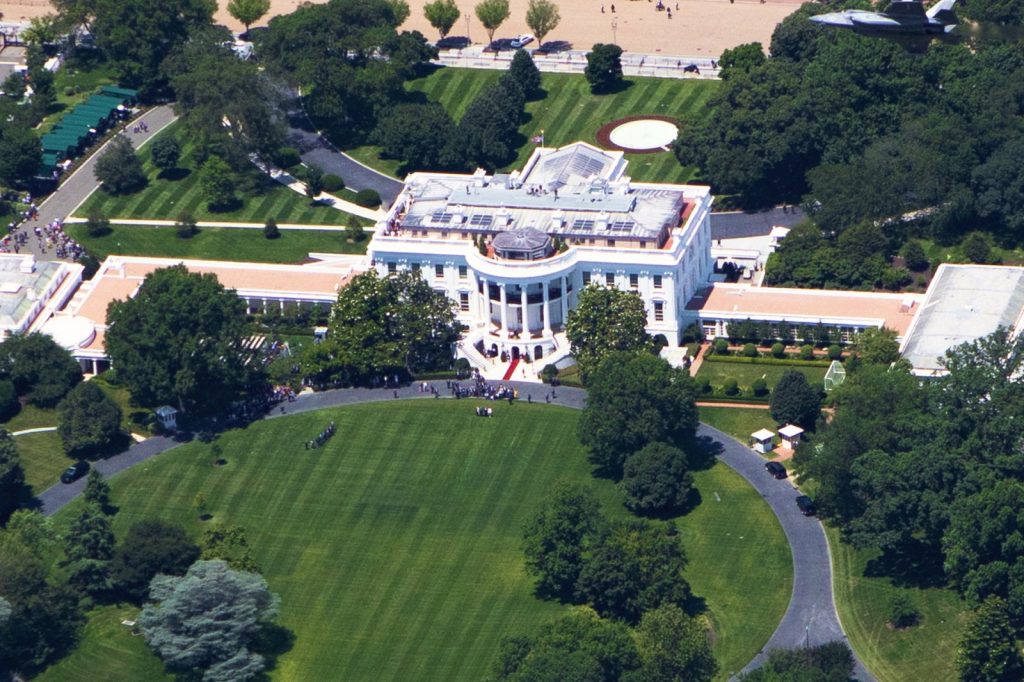
The road to last week’s announcement of a restricted ChatGPT 5.6 rollout was paved months before the model was ready. It began with a White House executive order signed by President Trump, a document that framed new AI safety reviews as voluntary. But voluntary, as it turns out, can mean something different in practice.
By the time OpenAI CEO Sam Altman gathered employees to explain the company’s next move, the voluntary label had given way to a case-by-case federal approval process for every enterprise client who wants the new model. The Department of Commerce, the Office of Science and Technology Policy, and the Office of the National Cyber Director are all now shaping that review framework.
That is three separate arms of the federal government, each with a hand in deciding who gets GPT-5.6 and who does not. The shift did not happen overnight. It came after months of quiet work between OpenAI and administration officials, according to a report by The Verge.
The company agreed to a limited preview phase for enterprise customers only — no general public release, no broad consumer access. That alone marks a break from every previous major OpenAI launch.
GPT-3, GPT-3.5, GPT-4 — all went straight to the public. Not this one. Altman reportedly told staff the restricted rollout was meant to address apprehension about potential security issues tied to advanced AI.
He did not call it a permanent solution. The company has said it will keep working with government officials and industry partners to establish a standard framework for assessing powerful systems before they hit the market. The Indian Express reported that the government expects to develop exactly that kind of formal evaluation protocol.
What is striking is the speed of the change. Federal oversight of commercial AI was barely a talking point two years ago.
Now it is a functioning, multi-agency process that has already altered how one of the most valuable private AI companies brings its product to customers. The executive order called the reviews voluntary. The current implementation suggests something closer to mandatory, at least for a model this powerful.
OpenAI is not fighting it. The company has publicly supported the idea of federal involvement in frontier AI safety.
But Altman’s acknowledgment that this approval mechanism is not a viable long-term solution hints at the tension beneath the surface. A case-by-case system run by multiple agencies is slow. It is unpredictable.
It does not scale well when a company wants to release a model to millions of users. The coming months will test whether the government can build a standard framework that moves faster than the current ad-hoc process. The agencies involved have not published a timeline.
The White House has not said whether the review requirements will apply to other companies, or to future OpenAI models beyond GPT-5.6. For now, the pattern is set.
Enterprise clients who want the new model must pass a federal background check of sorts. The public waits. And a company that once released its AI to anyone with an internet connection now operates under a system its own CEO does not consider sustainable.
That is where things stand — not as a settled policy, but as a working arrangement that could define how advanced AI reaches the world from here on.




