
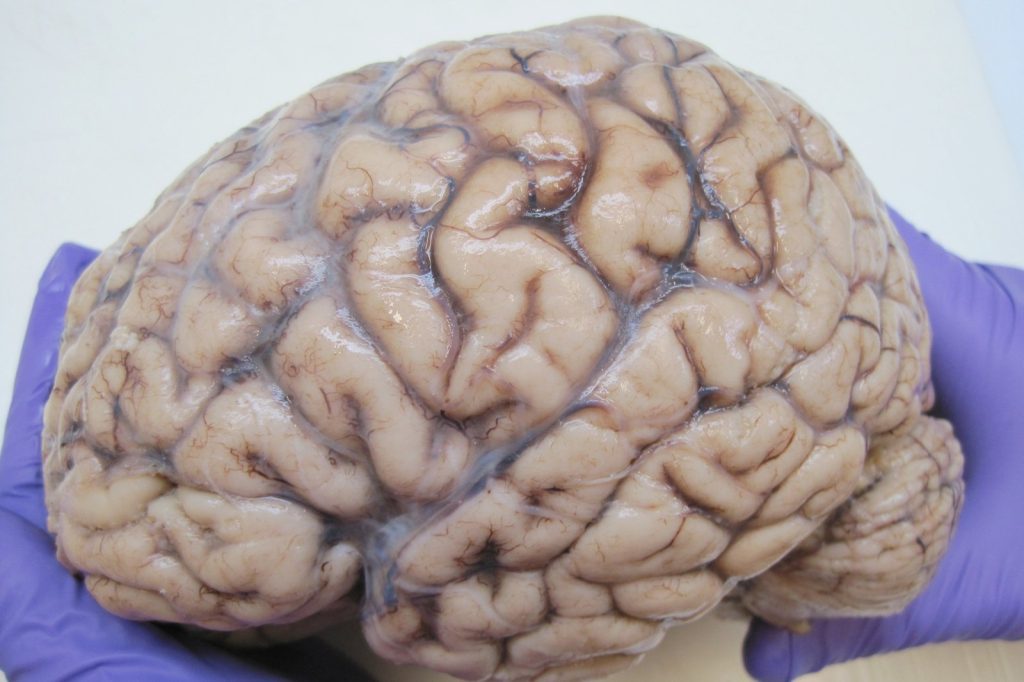
NEW YORK, June 21 — A significant development has emerged in the quest to detect artificial intelligence, with a surprising finding that the human brain is a more effective tool than any existing technology. What this means for families and individuals is that they can rely on their own instincts to identify AI-generated content, rather than relying solely on detection tools. Behind the breakthrough is the realization that AI detection tools, despite their promise, have delivered inconsistent results.
Academic studies and independent tests have repeatedly shown that these tools are not as effective as they claim to be, often producing results that are no better than a coin flip. This has significant implications for the human side of AI detection, as people are now being encouraged to trust their own judgment when it comes to identifying AI-generated content.
A sharp rise in the use of AI-generated content has led to a growing need for effective detection tools. However, the current state of AI detection tools has been found to be lacking, with many producing results that are unreliable. This has led to a renewed focus on the human element of AI detection, with experts recognizing that the brain is a powerful tool that can be used to identify AI-generated content.
For patients and individuals who are concerned about the impact of AI-generated content, this development is a welcome one. It means that they can take a more active role in detecting AI-generated content, rather than relying solely on technology.
By using their own judgment and instincts, people can make more informed decisions about the content they consume, and reduce the risk of being misled by AI-generated information. The fact that AI detection tools have been found to be ineffective is a significant one, and it has major implications for the way we approach AI detection. Rather than relying on technology to solve the problem, we need to focus on developing the skills and instincts that will allow us to detect AI-generated content effectively.
This is a challenge that requires a human-centered approach, one that recognizes the importance of the brain and its ability to detect subtle patterns and anomalies. As we move forward, it will be interesting to see how this development plays out. Will we see a shift towards more human-centered approaches to AI detection, or will technology continue to be the primary focus?
One thing is certain, however: the human brain is a powerful tool that should not be overlooked in the quest to detect AI-generated content. By recognizing the importance of the human element, we can develop more effective strategies for detecting AI-generated content, and reduce the risk of being misled by false or misleading information.
Looking ahead, it will be important to watch how this development impacts the way we approach AI detection. As we continue to navigate the complex and rapidly evolving landscape of AI-generated content, it is clear that the human brain will play a critical role in identifying and detecting AI-generated information. By harnessing the power of the brain, we can develop more effective strategies for detecting AI-generated content, and create a safer and more trustworthy online environment for everyone.
{“@context”: “https://schema.org”, “@type”: “NewsArticle”, “headline”: “Your Brain Beats AI Detectors: How to Spot Fake Text”, “description”: “NEW YORK, June 21 — A significant development has emerged in the quest to detect artificial intelligence, with a surprising finding that the human brain…”, “datePublished”: “2026-06-21 14:01:09T09:30:00+00:00”, “author”: {“@type”: “Person”, “name”: “James Roberto”}, “publisher”: {“@type”: “Organization”, “name”: “InfoPulse Today”, “url”: “https://newsfeed.infopulsetoday.com/”}}




