America’s AI leadership hinges on Taiwan’s dominance in semiconductor manufacturing—but escalating cross-strait tensions threaten to sever this critical supply chain.
The Shift Is Clear: AI Leadership Relies on Taiwan’s Chips
The United States and China are locked in a global competition to dominate artificial intelligence, and Taiwan is the linchpin. Taiwan produces over 90 percent of the world’s most advanced semiconductors, according to Foreign Affairs. These chips are essential for powering AI models, servers, and applications—layers that Nvidia CEO Jensen Huang describes as a “five-layer cake” of AI technology.
How It Works: TSMC’s Role in the AI Supply Chain
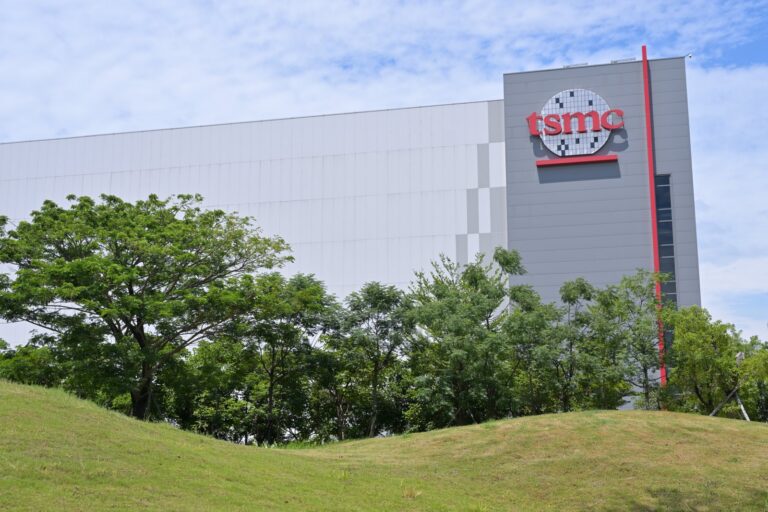
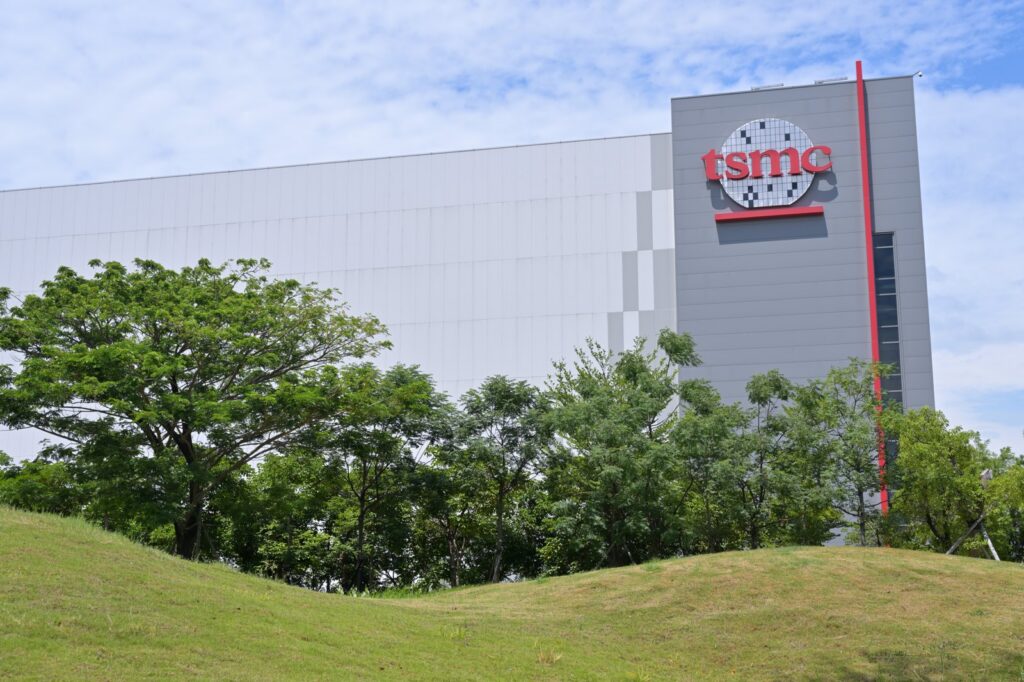
Taiwan’s TSMC manufactures cutting-edge chips for companies like Nvidia and Apple, while Taiwanese firms assemble roughly 90 percent of the servers driving the global AI economy. This partnership has been crucial for U.S. technological superiority, allowing the U.S. to focus on innovation and R&D while Taiwan handles advanced manufacturing.
The Numbers: Billions at Stake
A conflict or blockade would disrupt billions in annual U.S. tech investment. Taiwan’s semiconductor industry is indispensable, and its loss would cripple America’s ability to maintain an edge in AI. The U.S. military has prepared for a potential Chinese seizure of Taiwan as early as next year, according to Legion, with Gen. Ronald Clark emphasizing the urgency of the “Davidson window”—the period by 2027 when China is expected to achieve the military capacity to invade.
What It Means Now: A Fragile Pipeline
Chinese leadership under Xi Jinping has repeatedly signaled intentions to “reunify” Taiwan with mainland China. Beijing could impose an energy quarantine, blocking oil tankers and LNG carriers while claiming it as a domestic law-enforcement measure, according to the Atlantic Council. Such a move would devastate Taiwan’s energy-dependent economy and, by extension, America’s AI hardware supply.
What Comes Next: Diversification and Decoupling Limits
Efforts to diversify chip manufacturing are underway, but they face significant challenges. Taiwan’s unique expertise and scale make it irreplaceable in the short term. As tensions rise, watch this space: the AI race could hinge on whether the U.S. can secure alternative supply chains before the Davidson window closes.
Taiwan’s NT$240 billion (US$7.4 billion) investment in drone defense, as reported by Hindustan Times, underscores its determination to deter China. But for the U.S., the trend is clear: without Taiwan’s chips, AI leadership is at risk.
Sources
- America’s AI Ambitions Depend on Taiwan
- Taiwan
- How to prevent an energy quarantine of Taiwan
- U.S. Army Pacific plans for possibility of war over Taiwan next year
- China denies Taiwan’s claim it orchestrated attack on comedian who mocked Xi Jinping
- Taiwan spends billions on sea and aerial drones to deter China; defence push draws global firms
Photo: 4300streetcar (CC BY 4.0)