
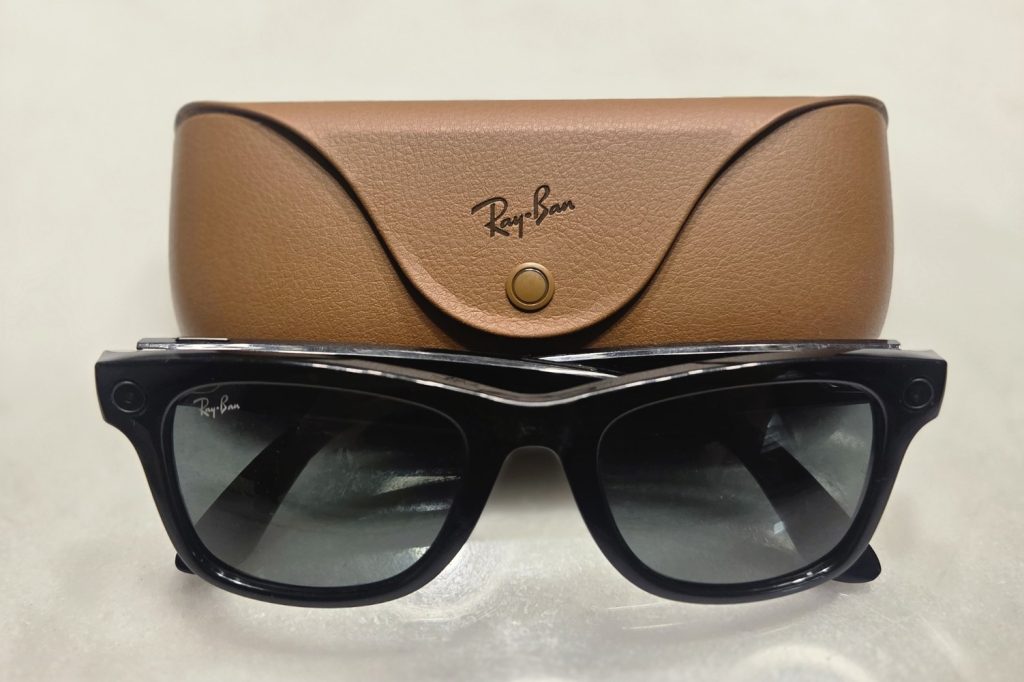
Meta Platforms on Friday began rolling out its v126 software update for its smart glasses, a release that centers on a new artificial intelligence system called Muse Spark AI. The upgrade, available immediately to users in the United States and Canada, is designed to make the wearable device more responsive and practical in real-time situations through improved visual perception and intuitive interaction.
According to details reported by Phones & Drones, Muse Spark AI employs advanced algorithms to better interpret and engage with a user’s surroundings, providing real-time assistance that enhances the glasses’ utility in dynamic environments. Investors may note that this is a purely software-driven enhancement, extending the device’s capabilities without requiring any new hardware.
New AI Capabilities and Enhanced Photography
Muse Spark AI represents what the company describes as a next-generation artificial intelligence tool, built to offer more natural responses and sharper visual recognition. The update aims to make the glasses smarter by allowing them to understand context and offer relevant aid on the fly.
This moves the product closer to the kind of ambient computing experience that technology firms have long pursued, where digital assistance blends into the background of daily life without demanding constant screen attention. The update also introduces a practical photography enhancement called Dynamic Photos. This feature captures multiple frames with each shot, enabling users to later select the best image from the burst.
For anyone who has struggled to capture a perfect frame on the first attempt, this addition offers a straightforward way to achieve precise, high-quality results without extra effort. The feature is a direct response to a common pain point in wearable photography: the difficulty of composing and timing a shot through a head-mounted viewfinder.
Communication Improvements and Language Expansion
Communication on the Meta smart glasses receives a notable boost with two new features. WhatsApp Voice Chat now supports hands-free group conversations, allowing users to participate in voice chats without touching their device.
For noisy environments, Conversational Focus isolates speech to deliver clearer interactions, reducing background noise interference. A Battery Saver Mode aims to extend the glasses’ usage throughout the day, addressing one of the persistent concerns with wearable technology. Language support has expanded significantly with this update.
The v126 release adds Japanese, Korean, and 14 other languages, broadening the device’s accessibility for international users. This expansion positions the glasses for wider adoption beyond English-speaking markets, though the initial rollout of Muse Spark AI remains limited to the US and Canada.
These updates collectively aim to make Meta’s smart glasses a more versatile and accessible everyday tool, particularly for hands-free communication and AI-assisted tasks. The v126 release positions the glasses as a more practical device for users who have been waiting for polished, real-world utility from the smart glasses category.
Smart Glasses in the Era of Ambient Computing
Smart glasses trace their origins to early augmented reality experiments in the 1960s, evolving through decades of research into wearable displays that overlay digital information onto the real world. Consumer attempts by technology companies in the 2010s faced limited adoption due to technical constraints and social acceptance hurdles, but those efforts established a foundation for later refinements in design, functionality, and integration with everyday tasks. Meta’s smart glasses are wearable devices that display digital content and provide interactive features through a head-mounted interface.
Their significance lies in the growing shift toward ambient computing, where technology blends into daily life without requiring constant attention to screens. As major platforms expand into wearable AI, these devices represent a step toward more natural, hands-free interactions with digital services–from communication to real-time assistance.
This progression reflects broader industry efforts to move beyond smartphones toward more immersive, context-aware tools. What to watch next: how quickly Muse Spark AI expands beyond the initial US and Canada rollout, and whether the new features drive adoption among users who have been waiting for more polished, real-world utility from smart glasses. The v126 release arrives as the wearable AI market matures, and software-driven enhancements like these could prove critical for converting early curiosity into sustained daily use.




